
Kids Group Launch Planner
1. Define Your Group
2. Financial Break-Even
Your Action Plan
Safeguarding Compliance Check
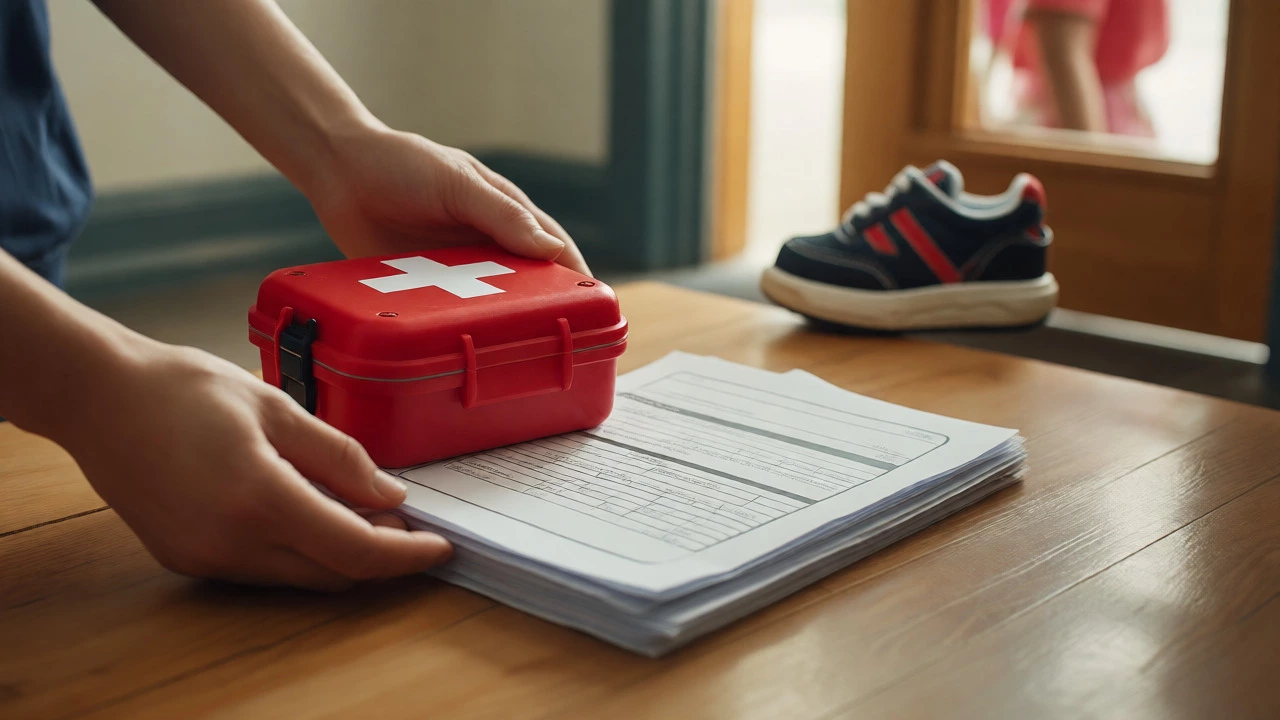
Ensure you have these essentials before starting:
Starting a kids group sounds simple until you realize you’re responsible for fifteen energetic children, a tight budget, and parents who expect their kids to come home happy (and clean). Whether you want to run a Saturday morning craft club or an after-school homework support circle, the difference between a chaotic mess and a thriving community often comes down to preparation. You don’t need a degree in education to make this work, but you do need a plan.
Before you book a room or buy stickers, you need to figure out exactly what you are building. Are you aiming for structured learning, free play, or social connection? This decision dictates everything else, from insurance costs to session length.
Define Your Purpose and Audience
Most new leaders fail because they try to be everything to everyone. You can’t run a high-intensity sports club and a quiet reading circle in the same hour with the same group. Pick a lane. If you live in Bristol, for example, you might notice a gap in nature-based play groups for ages 5-7, while older kids might need tech-focused workshops. Look at what’s missing in your local area.
- Age Range: Keep it narrow. Ages 4-6 have vastly different attention spans than 10-12. Mixing them too early causes frustration for both the younger kids (who feel overwhelmed) and the older ones (who feel bored).
- Session Length: For under-8s, 45 minutes is plenty. For 9-12s, you can stretch to 60-90 minutes if there’s a break.
- Core Activity: Is it arts, sports, STEM, or general socializing? Be specific. "Fun" is not a curriculum.
Navigate Legalities and Safeguarding
This is the part most people dread, but it’s non-negotiable. In the UK, safeguarding isn’t just a box-ticking exercise; it’s about creating an environment where children are safe from harm and adults are protected from false accusations. If you’re running this under a registered charity or school, check their existing policies first. If you’re independent, you need your own.
You must conduct background checks on all adults working directly with children. In England, this means obtaining a Disclosure and Barring Service (DBS) check. Don’t skip this. It protects the kids, yes, but it also reassures parents that you take their trust seriously.
| Requirement | Why It Matters | Action Item |
|---|---|---|
| DBS Check | Verifies no criminal history relevant to working with children. | Apply via Enhanced DBS service before first session. |
| Public Liability Insurance | Covers costs if a child gets injured due to negligence. | Purchase policy covering minimum £5m liability. |
| Safeguarding Policy | Defines how you handle incidents and allegations. | Draft a written document and share with parents. |
| First Aid Training | Ensures immediate response to minor injuries. | At least one leader must hold a valid Paediatric First Aid certificate. |
Find the Right Space
The venue shapes the experience. A cold, echoing church hall might kill the vibe faster than a bad activity. You need a space that is accessible, safe, and appropriate for your age group. If you’re doing messy crafts, you need easy-clean floors and sinks. If you’re doing active games, you need ceiling height and floor space.
Consider hiring rooms in community centers, libraries, or even renting a section of a local pub function room during off-hours. Many venues offer discounted rates for youth groups. Always visit the space during the actual time slot you plan to use it. Lighting matters, noise levels matter, and parking availability matters for parents dropping off kids.
Checklist for Venue Selection
- Is there a secure entrance/exit to prevent wandering?
- Are toilets child-friendly and close by?
- Is the heating adequate for September through March?
- Is there storage for equipment so you aren’t hauling boxes every week?
Plan Engaging Sessions
Children thrive on routine but crave novelty. The best structure follows a predictable rhythm with varied content. Start with a welcome ritual-maybe a song or a quick game-to signal the start. Then move into the main activity, followed by a cool-down and goodbye routine.
Don’t over-plan. Have a "backup plan" for when things go wrong (or right, if energy levels are higher than expected). If you’re running an after-school club, remember these kids have been sitting in classrooms all day. They need movement. Sitting still for 45 minutes is torture for a seven-year-old.
Use the "Sandwich Method": 1. High Energy Opener: Get the wiggles out. 2. Focused Activity: The core skill or project. 3. Social Cool Down: Snack time or free chat before pickup.
Recruit Participants and Manage Parents
Getting kids to show up is half the battle. Use local Facebook groups, school newsletters, and flyers in libraries. But keep your expectations realistic. You won’t get 50 kids on week one. Aim for 6-10 to start. This allows you to refine your process without being overwhelmed.
Parents are your customers and your partners. Communication is key. Send a weekly update email or WhatsApp message summarizing what the kids did. Include photos (with consent) and mention any lost property. When parents feel informed and involved, they become advocates for your group.

Budgeting and Sustainability
Running a group costs money. Even if you volunteer your time, you’ll pay for snacks, materials, and rent. Calculate your break-even point. If you charge £5 per session and have fixed costs of £20 per week, you need four attendees to cover basics. Anything above that goes toward better resources or paying yourself.
Consider grant funding if you’re a nonprofit. Local councils often have small grants for youth initiatives. Alternatively, seek sponsorship from local businesses-a bakery might donate snacks in exchange for a logo on your flyer.
Troubleshooting Common Issues
Things will go wrong. A child might cry because they miss their mum. Another might refuse to participate. Here is how to handle the usual suspects:
- The Clinger: Allow them to sit near you but gently encourage interaction with peers. Do not force separation immediately.
- The Disruptor: Give them a job. Hand them the scissors, let them lead the warm-up. Responsibility often curbs chaos.
- The Quiet One: Don’t assume they aren’t engaged. Observe. Sometimes parallel play is enough. Invite, don’t pressure.
Remember, consistency builds trust. Show up every week, even if only three kids come. Eventually, word spreads, and numbers grow.
Do I need qualifications to run a kids group?
Not necessarily formal teaching qualifications, but you do need safeguarding training and a clear understanding of child development stages. Most local authorities require at least one qualified first aider present at all times. Experience working with children is highly valued by parents.
What is the ideal ratio of adults to children?
For children aged 3-5, aim for 1 adult per 8 children. For ages 6-12, 1 adult per 10-12 children is generally acceptable, provided the activities are well-supervised. Always check your insurance provider’s specific requirements, as some may mandate stricter ratios.
How much should I charge per session?
This depends on your location and costs. In urban areas like Bristol, £5-£10 per hour is common for drop-in style groups. If you include meals or specialized materials, you can charge more. Survey local competitors and calculate your break-even point before setting prices.
What happens if a child has allergies?
Collect detailed medical information on enrollment forms. Ensure staff know where EpiPens are stored and how to use them. Consider making your group nut-free by default to minimize risk. Always ask parents to label food items clearly.
Can I run a kids group in my home?
Yes, but check your home insurance policy. Standard household insurance often excludes business activities. You may need specific public liability coverage. Also, ensure your home meets fire safety standards and has adequate space for emergency exits.