
SMART Goal Generator & Analyzer
Define Your Outreach Goal
Follow the prompts below to build a strong, actionable goal for your community project.
Goal Score
Needs Improvement
Based on SMART criteria completeness
Analysis Feedback
Pro Tip for Success
Keep refining your goal until it meets all five SMART criteria. A well-defined goal is half the battle won!
Picture this: You have a great idea. Maybe it’s a new food bank drive, a youth mentorship program, or an environmental cleanup initiative. You’re ready to roll up your sleeves and help. But when you knock on doors or post on social media, the response is silence. Or worse, polite indifference. Why? Because good intentions don’t build trust-relationships do.
Community outreach is the strategic process of building connections between an organization and the people it serves to create mutual benefit and lasting impact. It isn’t just about broadcasting a message; it’s about listening first. If you’ve ever wondered how some groups seem to have everyone on board while others struggle to find a single volunteer, the difference usually lies in their approach to outreach. This guide will walk you through exactly how to conduct community outreach that actually works, moving from planning to execution without the guesswork.
Start with Listening, Not Talking
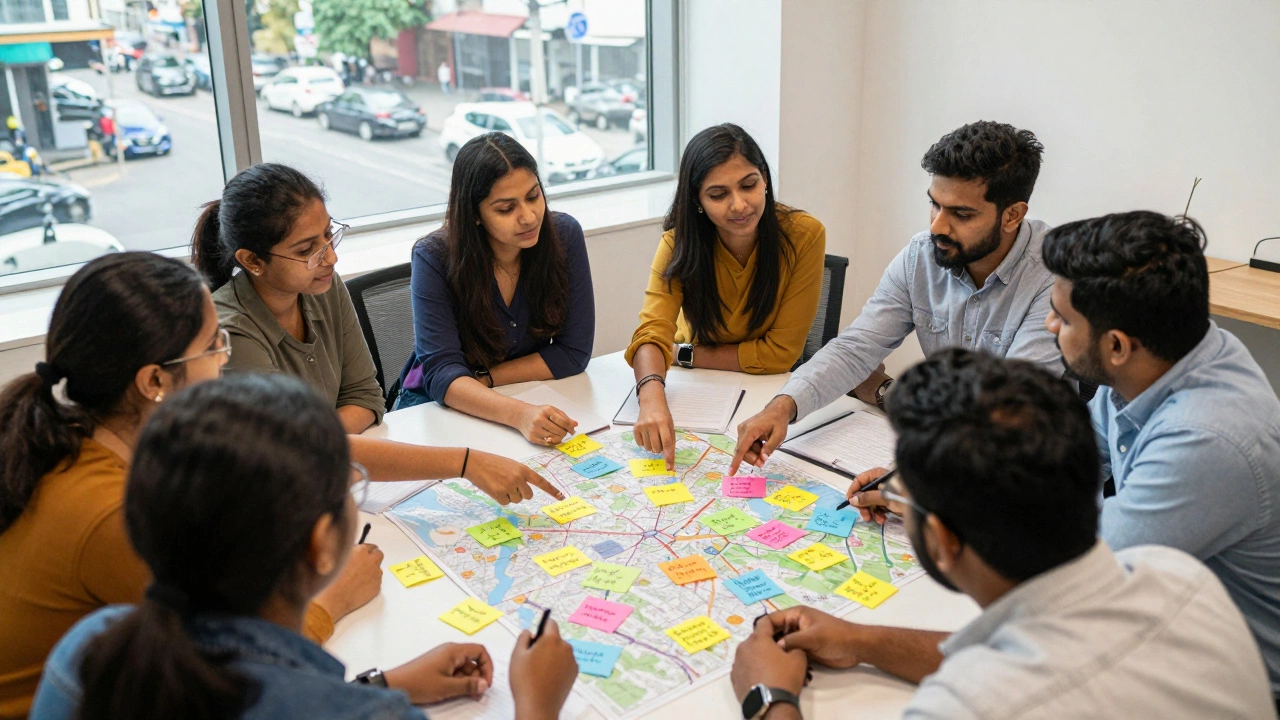
The biggest mistake organizations make is assuming they know what the community needs. They design a program based on internal goals rather than external realities. Before you print flyers or book venues, you need to understand the landscape. This phase is called a community needs assessment, which is a systematic process of identifying gaps in services or resources within a specific geographic area.
Don’t rely solely on surveys sent via email; those often only reach people who are already engaged. Instead, go where the people are. In Bristol, I’ve seen incredible results when organizers sat down at local cafes or attended town hall meetings just to listen. Ask open-ended questions like, “What’s missing here?” or “If you had one wish for this neighborhood, what would it be?”
- Identify key stakeholders: Who holds influence? (Local leaders, teachers, faith group heads)
- Map existing resources: What’s already being done? Avoid duplicating efforts.
- Listen for pain points: What problems keep people up at night?
This data becomes your compass. If you’re launching a mental health support initiative but the community says they need more after-school jobs, pivot. Your outreach must solve a problem the community admits exists.
Define Clear, Measurable Goals
Vague goals lead to vague results. Saying “we want to help more people” isn’t actionable. You need Specific, Measurable, Achievable, Relevant, and Time-bound (SMART) objectives. For example, instead of “increase awareness,” try “recruit 50 new volunteers by September 2026.”
Your goals should align with both your organization’s mission and the community’s expressed needs. If your goal is to reduce food waste, your outreach might focus on partnering with local restaurants. If your goal is youth empowerment, you might target schools and youth centers. Clarity here prevents scope creep later.
| Weak Goal | Strong Goal (SMART) | Why It Works |
|---|---|---|
| “Get more people involved.” | “Engage 100 residents in the June park cleanup event.” | Specific number and deadline allow for tracking progress. |
| “Raise money for charity.” | “Raise £5,000 for homeless shelters by December 31, 2026.” | Clear financial target and beneficiary make it measurable. |
| “Spread awareness about recycling.” | “Distribute 500 recycling guides to households in Zone A by July.” | Action-oriented output (distribution) rather than abstract input (awareness). |
Build Strategic Partnerships
You can’t do it alone. One of the most powerful tools in community outreach is leveraging existing networks. Look for local partnerships, which are collaborations between organizations, businesses, and individuals to pool resources and amplify reach. Think beyond other charities. Consider local businesses, schools, libraries, and even city council offices.
A bakery might donate leftover bread for a food bank. A tech company might offer free Wi-Fi for a job training workshop. The key is finding win-win scenarios. When you partner with a trusted local entity, you borrow their credibility. People are more likely to engage with your cause if it’s endorsed by someone they already respect.
To secure these partnerships:
- Research potential allies who share your values.
- Prepare a concise pitch highlighting mutual benefits.
- Start small with low-commitment collaborations to build trust.
Choose the Right Communication Channels
Where you say it matters as much as what you say. Different demographics consume information differently. A young audience might be reached via TikTok or Instagram, while older residents might prefer community newsletters or church bulletins. Don’t spread yourself thin across every platform. Pick two or three channels where your target audience actually spends time.
Face-to-face interaction remains the gold standard for deep engagement. Hosting pop-up booths at farmers' markets or attending block parties allows for immediate feedback and relationship building. Digital channels are great for scale, but human connection builds loyalty. Use social media to drive people to physical events, not replace them.
Also, ensure your messaging is inclusive. Use plain language, avoid jargon, and consider accessibility needs (like large print or translation services). If your flyer is confusing, no one will act on it.

Execute with Consistency and Care
Launching an outreach campaign is easy; sustaining it is hard. Consistency builds trust. If you promise weekly updates, deliver them. If you host monthly meetings, show up. Flakiness damages reputation faster than failure does.
Train your volunteers thoroughly. They are the face of your organization. Ensure they understand the mission, know how to handle difficult questions, and feel empowered to represent you well. Burnout is real, so celebrate small wins and recognize contributions publicly.
Be prepared to adapt. Maybe the venue changes, or a key partner drops out. Flexibility is crucial. Document what works and what doesn’t in real-time. This agility keeps the project alive despite inevitable hurdles.
Measure Impact and Iterate
How do you know if your outreach worked? You need metrics. Go beyond vanity metrics like “likes” or “shares.” Focus on outcome-based indicators:
- Number of new volunteers recruited
- Funds raised versus goal
- Survey feedback scores
- Long-term retention rates of participants
After each major milestone, gather feedback from both participants and partners. Ask, “What could we have done better?” Use this data to refine your next campaign. Community outreach is a cycle, not a straight line. Every effort teaches you something valuable for the next iteration.
How long does it take to see results from community outreach?
It varies widely depending on the scope. Small, targeted campaigns might yield results in weeks, such as increased attendance at an event. However, building deep community trust and long-term behavioral change often takes 6-12 months of consistent effort. Patience is key.
What is the best way to reach reluctant community members?
Reluctance often stems from past negative experiences or lack of trust. Engage through trusted intermediaries like local leaders or influencers. Offer tangible, immediate value (like free resources) before asking for anything in return. Transparency about your motives helps break down barriers.
Can small organizations compete with large NGOs in outreach?
Absolutely. Small organizations often have the advantage of agility and personal touch. While large NGOs have bigger budgets, smaller groups can respond faster to local needs and build deeper personal relationships. Focus on niche areas where you can excel rather than trying to match big players’ scale.
How important is social media in modern community outreach?
Social media is a powerful tool for awareness and recruitment, especially among younger demographics. However, it should complement, not replace, face-to-face interactions. Use it to share stories, announce events, and maintain ongoing dialogue, but prioritize direct human connection for building genuine trust.
What are common pitfalls to avoid in community outreach?
Common pitfalls include assuming you know what the community needs without asking, failing to follow through on promises, neglecting diverse voices, and measuring success only by short-term metrics. Always center the community’s voice and maintain transparency throughout the process.