
Support Group Health Checker
Review the characteristics of the group you are considering. Select all that apply to determine if the group aligns with healthy support group standards.
Positive Indicators Green Flags
Warning Signs Red Flags
At its core, a Support Group is a meeting of people who share a common problem or experience and provide each other with emotional and practical support. It isn't about a doctor giving a lecture; it's about people who have walked the same path helping those who are just starting the journey. If you're wondering if a specific group is a genuine example, look for the common thread of shared struggle.
What Makes a Support Group Different from Other Groups?
It's easy to confuse a support group with a hobby club or a professional therapy group. Let's clear that up. A hiking club is a group of people who like hiking. A support group for chronic pain is a group of people who all struggle with the same physical limitation. One is based on a shared interest; the other is based on a shared challenge.
Then there's the difference between peer support and group therapy. In a therapy session, a licensed clinician leads the group and applies psychological techniques to treat a disorder. In a support group, the leader might be a volunteer or even a member of the group. The goal isn't necessarily a clinical cure, but rather a sense of belonging and a way to cope with daily life.
| Feature | Support Group | Group Therapy | Social Club |
|---|---|---|---|
| Primary Goal | Emotional coping & belonging | Clinical treatment & healing | Socialization & shared hobbies |
| Leader | Peer or Facilitator | Licensed Therapist | Organizer/President |
| Focus | Shared lived experience | Psychological patterns | Common interest |
| Cost | Often free or low-cost | Usually professional fees | Membership dues |
Classic Examples of Real Support Groups
When you're trying to figure out if a group is a likely example of support, look for these established models. They follow a specific pattern: a shared hardship, a safe space, and a focus on mutual aid.
- Alcoholics Anonymous (AA): This is the gold standard of peer support. It uses a twelve-step program to help people overcome addiction. It's not a medical clinic, but a network of people helping others stay sober.
- Caregiver Groups: Imagine a group of people whose parents have Alzheimer's Disease. They don't meet to cure the disease-they meet to discuss the exhaustion, the grief, and the practical tips for managing a home with a memory-impaired loved one.
- Bereavement Groups: These are for people who have lost a spouse, child, or parent. The "example" here is the shared experience of grief. They provide a space where saying "I can't stop crying" is met with "I know, me too," rather than "You should move on."
- Chronic Illness Circles: People living with Multiple Sclerosis or Lupus often form groups to share how to navigate insurance, manage flare-ups, and deal with the mental toll of a lifelong condition.
How to Spot a Support Group in the Wild
If you're scrolling through local community boards or flyers in a library, how do you know if a group is actually a support group? Look for specific markers in the description. A real support group usually emphasizes "shared experience," "safe space," and "peer-led."
For instance, if a flyer says, "Come learn about the science of depression from Dr. Smith," that's an educational seminar. If it says, "A weekly gathering for those struggling with depression to share their stories and support one another," that's a support group. The shift from teaching to sharing is the key indicator.
Another marker is the structure. Most legitimate support groups have a set of ground rules-often called "group norms." These typically include confidentiality (what is said in the room stays in the room) and a rule against giving unsolicited advice. If a group allows people to jump in and say, "You just need to do X to fix your life," it might be a social circle, but it's not a high-functioning support group.

The Different Types of Support Group Formats
Not all support groups look the same. Depending on what you need, you might find different structures. Understanding these helps you pick the one that actually fits your life.
Facilitated Groups: These have a leader who keeps the conversation on track. The leader isn't necessarily a therapist, but they ensure no one dominates the conversation and that the environment remains safe. This is common in Cancer Support Groups where a social worker might guide the discussion.
Self-Help Groups: These are completely peer-run. There is no professional involved. The members take turns leading the meeting. This is the model used by many 12-step programs. The power comes from the equality of the members; no one is the "expert" because everyone is struggling with the same thing.
Online Support Communities: In 2026, these are more common than ever. From private Facebook groups to dedicated apps, these provide instant access. While they lack the physical presence of a room, they offer a lifeline to people in rural areas or those with mobility issues. However, you have to be careful here-online groups can sometimes slide into "echo chambers" where members validate harmful behaviors instead of providing healthy coping mechanisms.
Red Flags: When a Group Isn't Actually a Support Group
Not every group that promises "support" is healthy. Some can actually be harmful. You should be wary if you encounter these red flags:
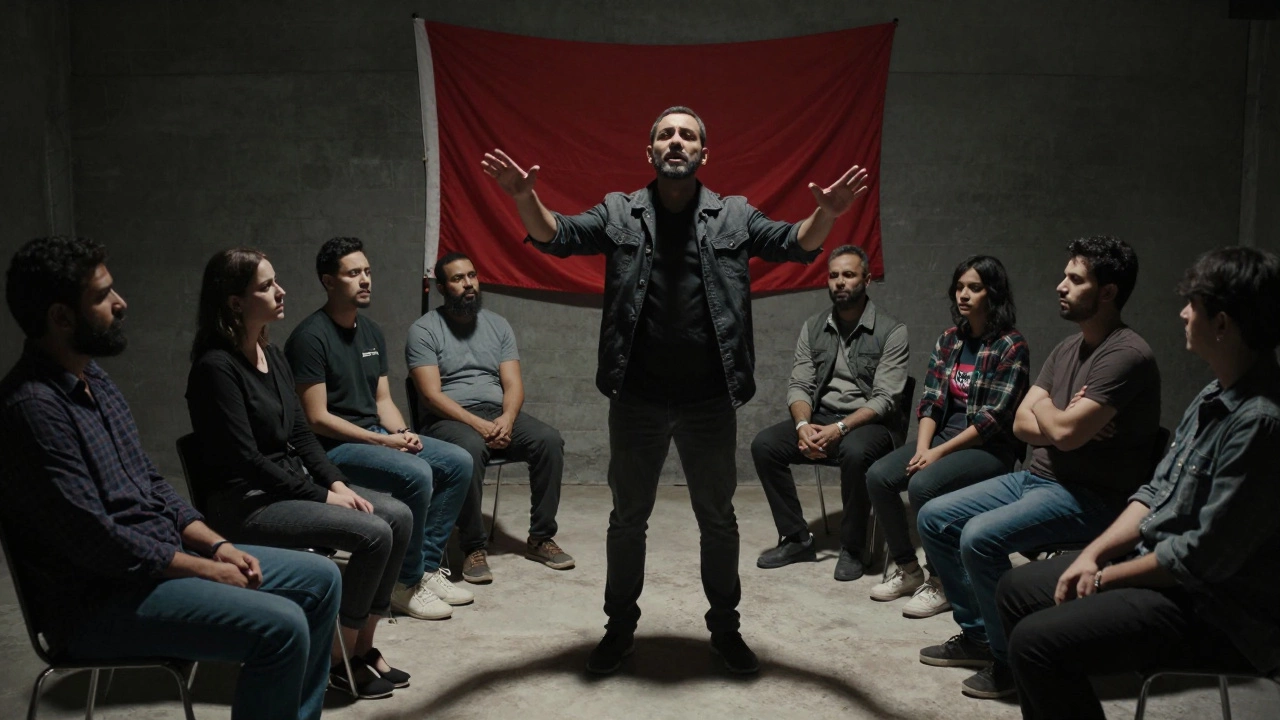
- The "Guru" Complex: If one person claims to have the only "secret' or "cure" for the problem, run. Support groups are about mutual aid, not following a single charismatic leader.
- Pressure to Pay Large Sums: While some groups charge a small fee to cover the room rental, a support group should not be a high-priced business venture. If they are selling expensive "membership tiers," it's a commercial product, not a support system.
- Lack of Boundaries: If members start calling you at 3 AM or demanding personal information you aren't comfortable sharing, the group lacks the necessary structure to be a safe support environment.
- Judgmental Atmosphere: If you feel shamed for your choices or your progress is slower than others, the group has failed its primary mission: providing a judgment-free zone.
Practical Steps to Finding the Right Group
Once you know what a support group looks like, the next step is finding one that actually works for you. Not every group is a good fit, even if they focus on the right topic.
- Identify your core need: Do you need a place to vent (emotional support), or do you need a place to learn how to handle paperwork and medical appointments (practical support)?
- Search local hubs: Check with your local GP, community centers, or hospitals. Many Non-Profit Organizations maintain lists of vetted peer groups.
- Interview the group: Don't be afraid to ask the facilitator, "What are your ground rules regarding confidentiality?" or "How do you handle conflict between members?"
- Trial a few sessions: Give it three meetings. The first one is always awkward. The second one is where you start to see the patterns. By the third, you'll know if the "vibe" matches what you need.
Is a support group the same as a therapy group?
No. While they look similar, group therapy is led by a licensed professional (like a psychologist) to treat a clinical diagnosis. A support group is typically peer-led and focuses on shared experience and emotional coping rather than clinical treatment.
Do I have to talk in a support group?
Most healthy support groups allow "passive participation." This means you can sit in and listen until you feel comfortable enough to share. The goal is to feel supported, not pressured.
Are support groups free?
Many are free, especially those run by charities or peers (like AA). Some may ask for a small donation to cover the cost of the meeting space or coffee, but they shouldn't be charging high professional fees.
What if I don't fit in with the other members?
This happens more often than people think. Different groups have different "cultures." If you don't feel a connection, it doesn't mean the group is bad or that you are the problem-it just means that specific group isn't the right match for your personality or current needs.
Can a support group replace professional medical help?
Absolutely not. Support groups provide emotional validation and practical peer tips, but they are not a replacement for medication, surgery, or professional psychotherapy. They should be used as a complement to professional care, not a substitute.
Next Steps for Your Journey
If you've identified a group that seems like a good example of support, your next step is to simply show up. It's terrifying the first time, but remember that every single person in that room was once the "new person" who didn't know where to sit or what to say.
For those who are too anxious to attend in person, start with a moderated online forum. This allows you to get a feel for the language and boundaries of a support community before you commit to a face-to-face meeting. Just keep those red flags in mind-if the group feels more like a cult than a community, trust your gut and leave.