
Free Event Profitability Calculator
Event Parameters
Revenue Streams
Projected Outcome
Financial Breakdown
Enter your event details on the left and click "Calculate Profitability" to see your financial forecast.
You invite everyone to your community festival. The entry is free. The music is loud, the food smells amazing, and hundreds of people are walking through your gates. But here is the panic setting in for most organizers: if nobody pays at the door, how does this actually help the cause? How do you turn a crowd of happy guests into actual revenue for your charity?
The short answer is that you stop thinking about the event as a ticketed product and start treating it as a high-traffic marketplace. When you remove the barrier of admission, you lower the friction for attendance, which usually means bigger crowds. Bigger crowds mean more visibility. And visibility is the currency you trade with sponsors, donors, and vendors.
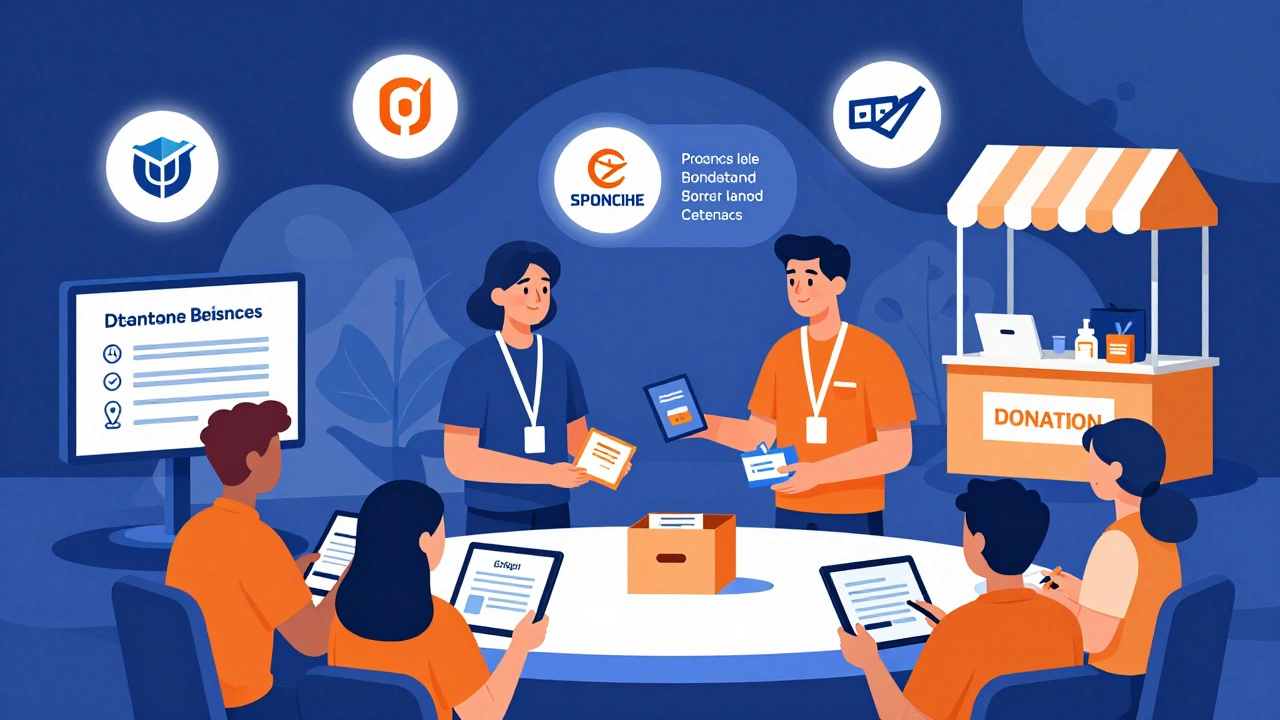
Organizing a free charity event is a strategic fundraising model where revenue is generated through ancillary streams rather than admission fees requires a shift in mindset. You are not selling entry; you are selling access, exposure, and experience. Here is how you build a revenue engine around an open-door policy.
1. Sell the Audience to Sponsors
This is the heavy lifter. If you have 500 people at a paid event charging £10, you make £5,000. If you have 2,000 people at a free event because there was no cost to enter, you now have an audience four times larger. Local businesses want those eyes.
Create tiered sponsorship packages are structured deals offering brands varying levels of visibility and engagement opportunities in exchange for financial support. Do not just ask for a check. Offer specific assets:
- Title Sponsor: Their name on the banner, logo on all shirts, and a dedicated booth space. Price: High.
- Segment Sponsor: They sponsor the "Kids Zone" or the "Food Court." Their branding goes up only in that area. Price: Medium.
- In-Kind Sponsor: A local bakery provides cupcakes instead of cash. This reduces your costs, which effectively increases your net profit margin.
When pitching to a Bristol-based business, for example, show them data. "Last year, our free summer fair attracted 3,000 locals aged 25-45. We can put your logo in front of every single one of them." That is a sales pitch they can understand.
2. Monetize the Experience, Not the Entry
Just because getting in is free doesn't mean everything inside should be. This is often called the "freemium" model of events. You keep the gate open but charge for premium upgrades.
| Stream Type | Example Activity | Estimated Revenue Potential |
|---|---|---|
| VIP Upgrades | Reserved seating, private bar access | High (Low volume, high margin) |
| Workshops | Paid masterclasses during a free conference | Medium (Requires expert speakers) |
| F&B Sales | Food trucks, beer garden, coffee stand | High (Consistent cash flow) |
| Merchandise | T-shirts, tote bags, branded gear | Low-Medium (Depends on brand loyalty) |
If you are hosting a free yoga day in the park, the yoga is free. But you can sell mats, water bottles, and healthy smoothies. If you are running a free tech talk, the lecture is free, but you can charge £20 for a hands-on coding workshop afterward. People will pay for convenience, exclusivity, and tangible takeaways.
3. Vendor Booth Fees
Turn your venue into a marketplace. Local artisans, startups, and service providers are always looking for foot traffic. Charge them a fee to set up a table or a stall.
Keep the fees low enough to attract a diverse mix of vendors but high enough to cover your insurance and setup costs. For a small community market, charging £50-£100 per booth can add up quickly. If you have 20 vendors, that is £1,000-£2,000 before you even sell a single t-shirt. Plus, these vendors often bring their own customers, boosting your total attendance numbers, which makes you look good to your sponsors.

4. The "Pay What You Wish" Donation Model
Never underestimate the power of guilt-free giving. Place prominent donation boxes or QR codes throughout the event. However, do not just say "Donate." Be specific.
People give when they know exactly what their money does. Instead of a generic jar labeled "Donations," use signs like: "£5 buys a hot meal for a homeless family" or "£10 provides school supplies for one child." This technique, known as impact-based fundraising, significantly increases conversion rates. According to studies by the Charities Aid Foundation, donors are more likely to contribute when they see a direct link between their contribution and a tangible outcome.
Use technology here. Set up a mobile payment station where volunteers can process card donations on the spot. Cash is declining; making it easy to tap a phone or card removes friction from the act of giving.
5. Data Collection for Future Campaigns
This is the hidden asset of free events. Every person who walks through your door is a potential long-term donor. If you rely solely on the event day for money, you are leaving money on the table. Use the event to build your email list and social media following.
Set up a "Check-In" station where attendees get a free swag item (like a sticker or a sample) in exchange for signing up for your newsletter. A robust email list allows you to run monthly giving campaigns, holiday appeals, and future event promotions. The lifetime value of a recurring donor far exceeds the one-time gain from a ticket sale.
6. Grant Funding and Corporate Matching
Many corporations have matching gift programs. If an employee donates to your charity, their employer matches that amount dollar-for-dollar. Promote this heavily at your event. Put up signs: "Did you know your company might match your donation? Check your HR portal!"
Additionally, some grants specifically fund community engagement initiatives. If your free event serves a public good-like health education or environmental awareness-you may be eligible for funding from local councils or national bodies. In the UK, organizations like the National Lottery Community Fund often support projects that foster community cohesion.
7. Merchandise with a Message
Sell items that people actually want to wear or use. Avoid cheap plastic trinkets. Think quality t-shirts, reusable coffee cups, or tote bags with a clever design that represents the cause. When someone wears your shirt, they become a walking billboard. This creates brand awareness and generates immediate cash flow. Partner with a local print shop to handle production on a consignment basis so you don't have to front the cost.
Common Pitfalls to Avoid
It is easy to go wrong when trying to monetize a free event. Here are the traps to watch out for:
- Over-commercialization: If your event feels like a shopping mall, attendees will leave early. Balance commercial activities with genuine community value.
- Underpricing Sponsorships: Do not undervalue your audience. Research local market rates. If you are too cheap, sponsors may assume your audience is low-quality.
- Poor Tracking: If you cannot track where your money is coming from, you cannot optimize it. Use unique QR codes for different donation stations and track vendor sales separately.
- Ignoring Volunteers: Your volunteers are your frontline sales team. Train them on how to ask for donations and explain the mission. An untrained volunteer is a missed opportunity.
Calculating Your Break-Even Point
Before you launch, do the math. List all your fixed costs (venue rental, insurance, marketing) and variable costs (food, printing, permits). Then, estimate your revenue streams based on conservative attendance figures.
For example: Fixed Costs: £2,000 Variable Costs per person: £5 Expected Attendance: 500 people Total Cost: £2,000 + (£5 x 500) = £4,500
You need to generate £4,500 in revenue. If you secure two sponsors at £1,000 each, you still need £2,500. If you expect 10% of attendees to donate an average of £10, that’s £500. You still have a gap of £2,000. This is where vendor fees and merchandise sales must fill the void. Knowing this number upfront prevents disappointment.
Is it legal to hold a free fundraising event in the UK?
Yes, but regulations vary. If you are collecting cash donations in a public place, you may need a Street Collection Licence from your local council. Always check with your local authority regarding permits for gatherings, noise restrictions, and food safety standards if vendors are selling consumables.
How much should I charge for vendor booths?
Pricing depends on your location and expected footfall. For a small local event, £50-£100 is standard. For larger festivals in city centers, prices can range from £200 to £500+. Consider offering early-bird discounts to secure vendors sooner and guarantee income.
What if my sponsors back out last minute?
Always have a contingency plan. Keep a portion of your budget reserved for emergencies. Diversify your revenue streams so you are not reliant on a single sponsor. Build relationships with multiple potential partners so you can reach out quickly if a deal falls through.
Can I use crowdfunding alongside a free event?
Absolutely. Launch a crowdfunding campaign months before the event to cover initial costs. Use the event itself to drive traffic to the campaign page. Display large screens showing real-time progress bars to create a sense of urgency and community achievement.
How do I measure the success of a free event?
Success isn't just about profit. Track metrics like total attendance, number of new email subscribers, social media mentions, and funds raised. Compare these against your goals set during the planning phase. Post-event surveys can also provide qualitative feedback for improvement.