
After School Club Budget & Logistics Estimator
Club Details
Estimated Startup Cost
Includes initial materials & supplies
Required Volunteers
Adults needed for safe supervision
- Cost Per Student: $0
- Material Intensity: Medium
- Skill Level Required: Low
Suggested Next Steps:
Loading...
Enter your club details to generate a resource plan.
Picture this: It’s 3:30 PM on a Tuesday. The school bell rings, and suddenly the hallways are flooded with kids who have nowhere specific to go until their parents pick them up. You see that energy-that mix of boredom and boundless potential-and you think, "There has to be something better than staring at a wall." Starting an after school club is a structured extracurricular activity designed to engage students in learning, socializing, or skill-building outside of regular class hours. It sounds like a big job, but it doesn’t have to be complicated. In fact, some of the most successful clubs start with just one idea, a room, and a willingness to show up.
You don’t need a PhD in education or a massive budget to make a difference. Whether you want to teach coding, grow vegetables, or just help kids improve their reading skills, the process is surprisingly similar. Let’s break down exactly how to turn that spark of an idea into a running program that kids actually look forward to.
Finding Your Niche and Defining the Purpose
The first mistake people make is trying to do everything. They want a club that teaches math, builds robots, and improves social skills all at once. That recipe usually leads to burnout. Instead, pick one clear focus. Ask yourself: What problem am I solving? Is there a lack of creative outlets? Do students need a safe space to decompress? Are they interested in a skill not covered in the standard curriculum?
Think about what’s missing in your community. Maybe there’s no place for kids to learn basic cooking skills. Perhaps there’s a gap in support for young writers. Or maybe you’ve noticed that students are glued to their phones and need a reason to put them away and interact face-to-face. Define your mission statement in one sentence. For example: "This club helps middle schoolers build confidence through public speaking." When you have a clear goal, every decision you make-from choosing activities to buying supplies-becomes easier.
Also, consider the age group you’re targeting. A club for kindergarteners looks very different from one for high school seniors. Younger kids need more structure, shorter attention spans, and hands-on activities. Older students crave autonomy, real-world relevance, and peer connection. Knowing your audience helps you design experiences that stick.
Securing Space, Time, and Permissions
Ideas are free; logistics cost time and effort. Before you recruit a single member, you need a physical space and a consistent schedule. If you’re starting this within a school, talk to the administration early. Schools love extracurriculars because they keep students engaged and safe, but they also worry about liability and supervision ratios.
Ask these specific questions:
- Which rooms are available during late afternoon hours?
- What is the required adult-to-student ratio for supervision?
- Do I need background checks or specific certifications (like CPR) to lead the group?
- Is there a formal application process for new clubs?
If you’re organizing outside of school, perhaps at a library, community center, or even a local business, the rules change slightly. Libraries often have dedicated youth programs and may offer staff support. Community centers might require a small rental fee but provide access to kitchens or sports equipment. Whatever venue you choose, ensure it’s accessible, safe, and comfortable for the kids.
Consistency is key. Pick a day and time that works for both you and the majority of potential members. Avoid times that conflict with major sports practices or religious observances if possible. Once you set the schedule, stick to it. Kids thrive on routine.
Designing Engaging Activities
A club without engaging activities is just a babysitting service. To keep members coming back, you need a mix of structure and freedom. Plan a loose curriculum or theme for each session, but leave room for spontaneity. For instance, if you’re running a science club, you might plan a volcano experiment for today, but if the kids are fascinated by the chemical reaction, let them explore variations instead of rushing to the next slide.
Here are three pillars of effective activity design:
- Skill Building: Every session should teach something tangible. This could be a hard skill like knitting or Python programming, or a soft skill like negotiation or empathy.
- Fun Factor: Learning shouldn’t feel like homework. Use games, competitions, and collaborative projects. Gamification works wonders for keeping engagement high.
- Student Voice: Involve the kids in planning. Ask them what they want to do next month. When they have ownership over the content, they invest more in the outcome.
Prepare simple materials ahead of time. Nothing kills momentum faster than spending the first ten minutes searching for scissors or setting up projectors. Have a "grab-and-go" kit ready for each meeting. This reduces stress for you and maximizes valuable interaction time with the students.

Recruiting Members and Volunteers
You can have the best club in the world, but if no one knows it exists, it won’t survive. Marketing for an after-school club is low-tech but high-touch. Flyers posted in classrooms, emails sent to parents, and announcements over the PA system are still the most effective tools.
Make your pitch clear and exciting. Don’t say, "Join our robotics group." Say, "Build a robot that can play soccer!" Highlight the benefits: new friends, new skills, and fun. Offer a trial week or an open house so hesitant parents and curious kids can see what it’s about without committing long-term.
Don’t try to carry the load alone. Recruit co-leaders or volunteers. Other teachers, college students looking for community service hours, or passionate parents can share the responsibility. Having multiple adults not only lightens your workload but also provides diverse perspectives and role models for the kids. Make sure everyone understands their roles and the club’s core values before the first meeting.
Budgeting and Resource Management
Money makes the world go round, especially when you need art supplies, software licenses, or snacks. Start with a lean budget. Many schools have discretionary funds for extracurriculars. Local businesses might sponsor your club in exchange for positive publicity. Grants from community foundations are another option, though they take time to apply for.
Track every expense. Even if it’s just $5 for printer paper, knowing where the money goes helps you justify future requests. Consider charging a nominal membership fee if the club requires expensive materials, but always offer scholarships or waivers for families who can’t afford it. Accessibility should never be blocked by price.
Barter services when possible. Can a local graphic designer help with flyers in exchange for teaching a design workshop? Can a retired engineer mentor the kids for free? Leverage the community’s hidden talents. Often, people want to give back but don’t know how. Give them a channel.
Managing Dynamics and Conflict
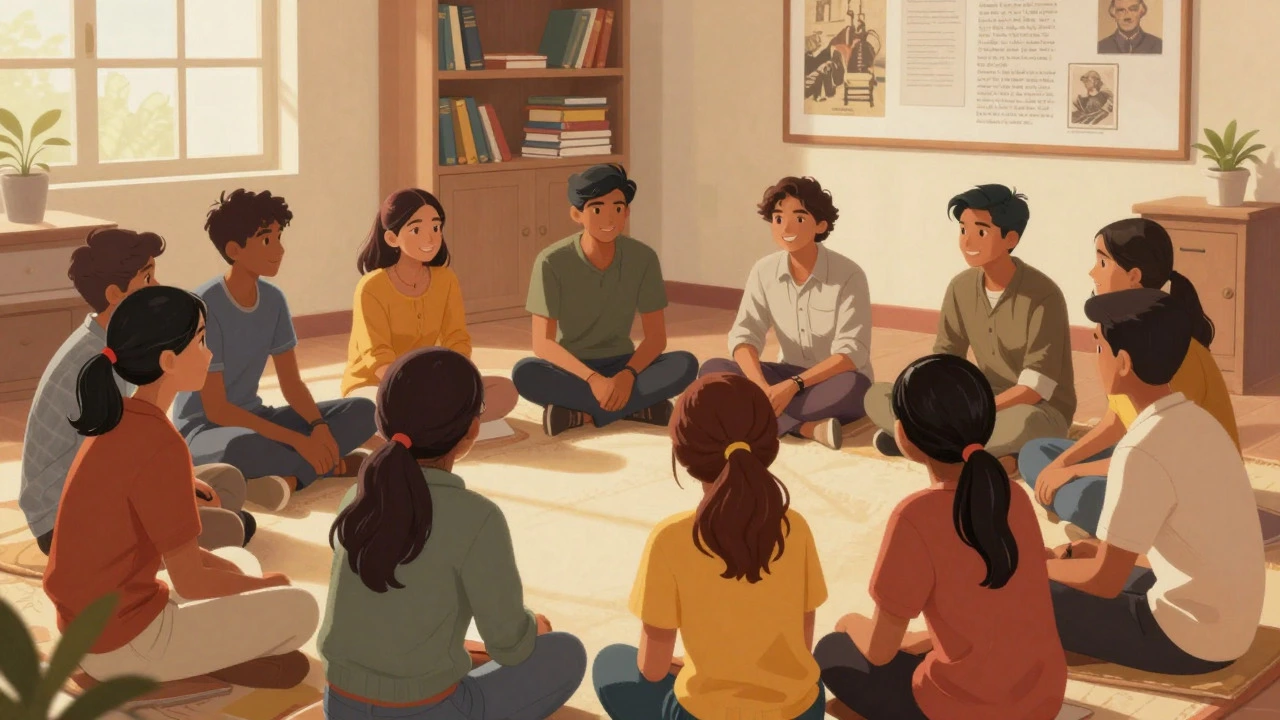
Kids are humans, and humans clash. You will deal with disagreements, exclusion, and occasional meltdowns. How you handle these moments defines the culture of your club. Establish clear ground rules on day one. Respect, listening, and inclusion should be non-negotiable.
When conflict arises, address it immediately but privately. Pull the involved parties aside and use active listening techniques. "I heard you say X, and you felt Y. Is that right?" Validate their feelings before jumping to solutions. Teach them conflict resolution skills rather than just imposing authority. This turns a negative incident into a learning opportunity.
Watch out for cliques forming too early. Actively mix groups during activities. Assign partners randomly or rotate team leaders. Ensure that quieter students get equal airtime. Your job isn’t just to teach the subject matter; it’s to foster a supportive environment where everyone feels they belong.
Evaluating Success and Iterating
How do you know if your club is working? Look beyond attendance numbers. While showing up is important, true success is measured by engagement and growth. Are the kids smiling? Are they collaborating? Are they mastering new skills?
Gather feedback regularly. At the end of each term, send a short survey to parents and students. Ask what they loved, what they hated, and what they want to see next. Hold a reflection circle with the members. "What was your favorite moment this month?" Their answers will guide your future planning.
Be willing to pivot. If an activity consistently flops, drop it. If a particular format works amazingly well, double down on it. Flexibility is a leader’s greatest asset. Celebrate small wins-a completed project, a shy student speaking up, a resolved conflict. These moments remind you why you started this journey in the first place.
| Club Type | Primary Focus | Resource Needs | Volunteer Skill Level |
|---|---|---|---|
| Creative Arts | Self-expression, fine motor skills | High (supplies) | Low to Medium |
| Tech/Coding | Problem-solving, logic | Medium (devices/software) | High |
| Sports/Fitness | Physical health, teamwork | Low (equipment) | Medium |
| Reading/Literacy | Communication, imagination | Very Low (books) | Low |
Next Steps and Troubleshooting
If you’re feeling overwhelmed, start small. Launch a pilot program with five kids and one co-leader. Test your ideas, refine your approach, and then scale up. Join networks of other club leaders. Share resources, swap tips, and vent when things get tough. You’re not alone in this.
Remember, perfection is the enemy of progress. Your first few meetings might be messy. Supplies might run out. Plans might fall apart. That’s okay. Adapt, laugh it off, and try again. The impact you make isn’t measured by flawless execution but by the connections you build and the joy you inspire. Get out there and start building.
How many students should be in an after-school club?
Ideally, aim for 10-20 students per adult leader. This ratio allows for personalized attention while maintaining a lively group dynamic. Smaller groups (under 10) can feel intimate but may struggle with energy levels. Larger groups (over 25) require additional volunteers to manage effectively.
Do I need special qualifications to run a club?
It depends on the location and type of club. Most schools require background checks and sometimes CPR certification. Specific subjects like foreign languages or advanced sciences might benefit from specialized knowledge, but passion and organization are often more important than credentials.
How long should each club session last?
One hour is the sweet spot for most age groups. It’s long enough to dive into meaningful work but short enough to maintain focus. For younger children, consider splitting the hour into two 25-minute blocks with a break in between.
What if no one signs up for my club?
Revisit your marketing strategy. Talk directly to teachers and parents to understand barriers. Offer a free trial event. Sometimes, word-of-mouth takes time. Persistence and visibility are key. Also, consider partnering with existing clubs to cross-promote.
Can I charge fees for an after-school club?
Yes, but check school policies first. Fees can help cover material costs, but they can also exclude lower-income families. If you charge, ensure there’s a waiver system or scholarship fund. Transparency about how funds are used builds trust with parents.