
Charity Event Budget Calculator
Planning a charity event is a powerful way to raise funds and awareness for your cause. This structured gathering designed to support a charitable cause requires careful planning across multiple areas. Did you know that over 1.5 million charity events happen annually in the U.S. alone? Whether you're raising funds for a local shelter or supporting a global cause, this guide covers charity event planning step by step.
Define Your Purpose and Goals
Start by clearly defining why you're hosting the charity event. What specific problem are you solving? For example, if you're raising money for a local food bank, specify how many meals that would provide. Clear goals help guide every decision. Ask yourself:
- What's the main cause? (e.g., hunger relief, education)
- How much money do you need to raise?
- Who is your target audience? (e.g., local community, corporate donors)
Without clear goals, your event might lack focus. A school fundraiser in Texas aimed to raise $10,000 for new playground equipment. That specific target helped them decide on activities like a bake sale and raffle tickets, ensuring every decision aligned with the goal.
Handle Legal and Organizational Steps
Before diving into planning, check legal requirements. If you're not part of an existing nonprofit organization a legally recognized entity dedicated to charitable purposes, you might need to register as one. In the U.S., this means applying for IRS 501(c)(3) status. Even if you're working with a charity, confirm they can accept tax-deductible donations. Check local event permits official approvals required for public gatherings-events in parks often require city hall approval. For example, a charity walk in Central Park requires permits from NYC Parks Department. Skipping permits can lead to fines or cancellation.
Create a Realistic Budget
Creating a detailed event budgeting process to track all costs and revenues starts by listing all expected expenses. Common costs include venue rental, catering, marketing materials, and staff. For instance, a charity dinner might need $2,000 for venue, $1,500 for food, and $500 for decorations. Add a 10-15% buffer for unexpected costs. Track every dollar using a spreadsheet. A local animal shelter once raised $50,000 through a 'Paws for a Cause' gala by carefully budgeting and negotiating discounts with vendors.

Recruit and Manage Volunteers
Effective volunteer coordination the process of organizing and managing volunteers for an event starts with clear role assignments. Recruit volunteers early and assign specific tasks like registration desk, activity leaders, or cleanup crew. Use tools like SignUpGenius to manage sign-ups. A school charity event in Texas managed 50 volunteers by creating a shared spreadsheet with time slots and tasks. Clearly communicate expectations-volunteers should know their duties, start times, and who to contact if issues arise. Providing small thank-you gifts like branded T-shirts boosts morale.
Promote Your Event Effectively
Use multiple channels to spread the word. social media promotion strategies to market events online is key-create event pages on Facebook and Instagram, and use relevant hashtags like #CharityEvent. Partner with local businesses and community groups to expand your reach. community outreach efforts to engage local communities efforts like flyers in local cafes or partnerships with neighborhood associations can significantly boost attendance. A charity auction for a homeless shelter partnered with a coffee shop, which displayed flyers and donated 10% of sales the week before the event. Also, reach out to local newspapers or radio stations for free publicity.
Execute Smoothly on Event Day
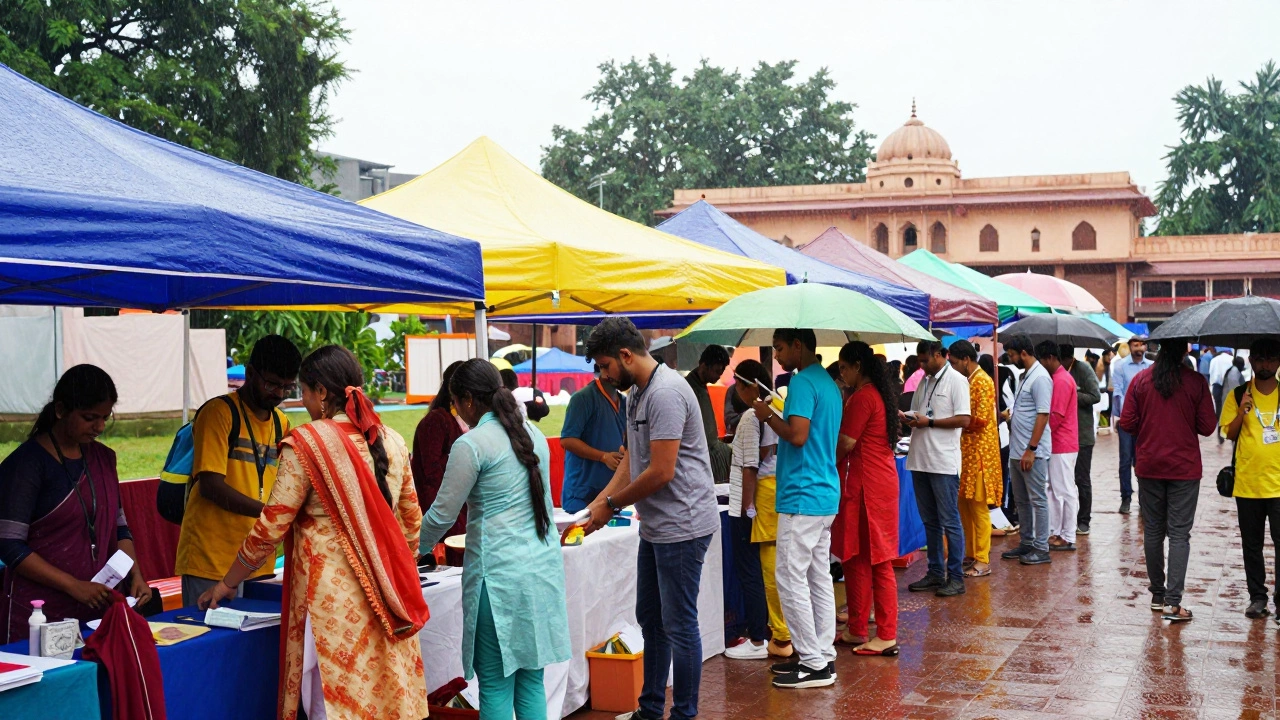
Have a detailed timeline for the event. Assign a point person for each area. Prepare for common issues-like rain for outdoor events-by having tents or indoor backups. A charity concert in Chicago had backup generators ready when the power went out during a storm. Keep communication lines open among your team. Use walkie-talkies or group chats for quick updates. Stay flexible; if a key speaker cancels, have a backup activity ready.
Follow Up After the Event
Thank donors and volunteers promptly. Share results publicly-'We raised $30,000 for clean water projects!'-to build trust for future events. Send a survey to volunteers for feedback. This transparency encourages repeat support. donor management processes to maintain relationships with contributors is crucial. For example, sending personalized thank-you emails with photos from the event makes supporters feel valued. Track donation data to see which methods worked best for next time.
Do I need to be a nonprofit to host a charity event?
No, but you'll need to work with an existing nonprofit to ensure donations are tax-deductible. If you're independent, consider partnering with a fiscal sponsor organization that handles the legal side. For example, many community foundations offer fiscal sponsorship for events.
How do I find volunteers for my event?
Start with your personal network and use volunteer platforms like VolunteerMatch. Local colleges often have student groups looking for community service opportunities. For example, a food bank in Seattle recruited 100 volunteers by partnering with a nearby university's service-learning program.
What are common mistakes in charity event planning?
Underestimating costs is a top mistake-always add a 15% buffer. Another is poor volunteer coordination; unclear roles lead to chaos. Also, neglecting promotion-many events fail because people don't know about them. For instance, a charity run in Denver had low turnout because they only advertised on social media without local newspaper coverage.
How can I ensure donations are tax-deductible?
Donations are tax-deductible only if you partner with a registered nonprofit. If you're not part of one, work with a fiscal sponsor. Always provide donors with receipts that include your nonprofit's EIN and a statement that no goods/services were provided in exchange for the donation. For example, a charity gala in Chicago used a fiscal sponsor to issue tax receipts for all contributions.
What's the best way to promote a small charity event?
Focus on hyper-local channels. Use community bulletin boards, local Facebook groups, and word-of-mouth through friends and neighbors. Partner with nearby businesses to display flyers. A neighborhood bake sale in Austin raised $2,000 by partnering with a local bakery that promoted it to their customers and offered free samples for event attendees.