Community Outreach Planning Tool
Volunteer Capacity Calculator
Calculate how many volunteers to recruit, accounting for the typical 20% flake rate mentioned in the guide.
Total Labor Hours: 0
Includes +25% buffer to ensure 100% coverage.
Asset Mapping Checklist
Identify hidden neighborhood assets based on capabilities, not just names.
Key Takeaways for Your Outreach
- Identify a specific, solvable problem before recruiting people.
- Build a diverse coalition of local partners to share the workload.
- Focus on sustainable goals rather than one-time 'band-aid' fixes.
- Use a mix of digital tools and old-school face-to-face networking.
- Measure your success with data, not just feelings.
Defining Your Mission and Goals
Before you send a single email, you have to figure out exactly what you're trying to achieve. A common mistake is aiming for something too broad, like "helping the homeless." While noble, that's not a goal; it's a wish. To get people to join you, you need a concrete mission. Community Outreach is the process of providing services to people who may not have access to them, often involving the collaboration between organizations and the local population. It works best when the objective is narrow and achievable.
Ask yourself: What is the one thing that, if changed, would make the biggest difference? Maybe it's not "fighting hunger," but specifically "reducing the wait time at the local food pantry by 20%." When you have a specific target, your Social Impact becomes measurable. If you can't count it, you can't prove it's working, and you'll struggle to keep volunteers motivated over the long haul.
Mapping Your Community Assets
You aren't starting from zero. Every neighborhood has hidden assets-people, spaces, and tools-that are just waiting to be tapped. This is where Grassroots Organizing comes in. Instead of looking for outside help first, look at who is already there. Is there a retired teacher who knows everyone on the block? A local coffee shop owner who lets people put up flyers? A church basement that's empty on Tuesdays?
Create a map of these resources. Don't just list names; list capabilities. For example, don't just note "The Community Center"; note that the center has a commercial kitchen and a projector. This avoids the frustration of realizing halfway through your project that you have no place to store supplies or no way to host a meeting. When you leverage existing assets, you lower your overhead and build trust with the people who already live there.
Building Your Core Team and Volunteer Base
You cannot do this alone. If you are the only person making decisions, you'll burn out in three weeks. You need a core team of 3-5 dedicated people, each with a specific role. One person handles communication, another manages the budget, and another coordinates the volunteers. This distribution of labor prevents the "founder's trap" where everything stops moving if you get sick or busy.
When it comes to broader recruitment, Volunteer Coordination is an art. People don't just volunteer for a cause; they volunteer for a feeling of competence and belonging. Give your volunteers clear, time-bound tasks. Instead of asking for "help with the event," ask someone to "manage the registration table from 9 AM to 11 AM." Specificity reduces anxiety and increases the likelihood that people will actually show up.
| Role | Primary Responsibility | Key Skill Needed | Typical Time Commitment |
|---|---|---|---|
| Outreach Lead | Partner recruitment & networking | Communication | High (Weekly) |
| Logistics Coordinator | Venue, supplies, and transport | Organization | Medium (Project-based) |
| Digital Promoter | Social media and email blasts | Tech-savviness | Low (Daily bursts) |
| On-site Captain | Managing volunteers during the event | Leadership | High (Event day) |
Developing Your Outreach Strategy
Now you need to decide how you'll actually reach people. Many organizers make the mistake of relying solely on Facebook or Instagram. While these are great for reminding people about an event, they are terrible for reaching the people who actually need the service. The most vulnerable populations often have the lowest digital engagement.
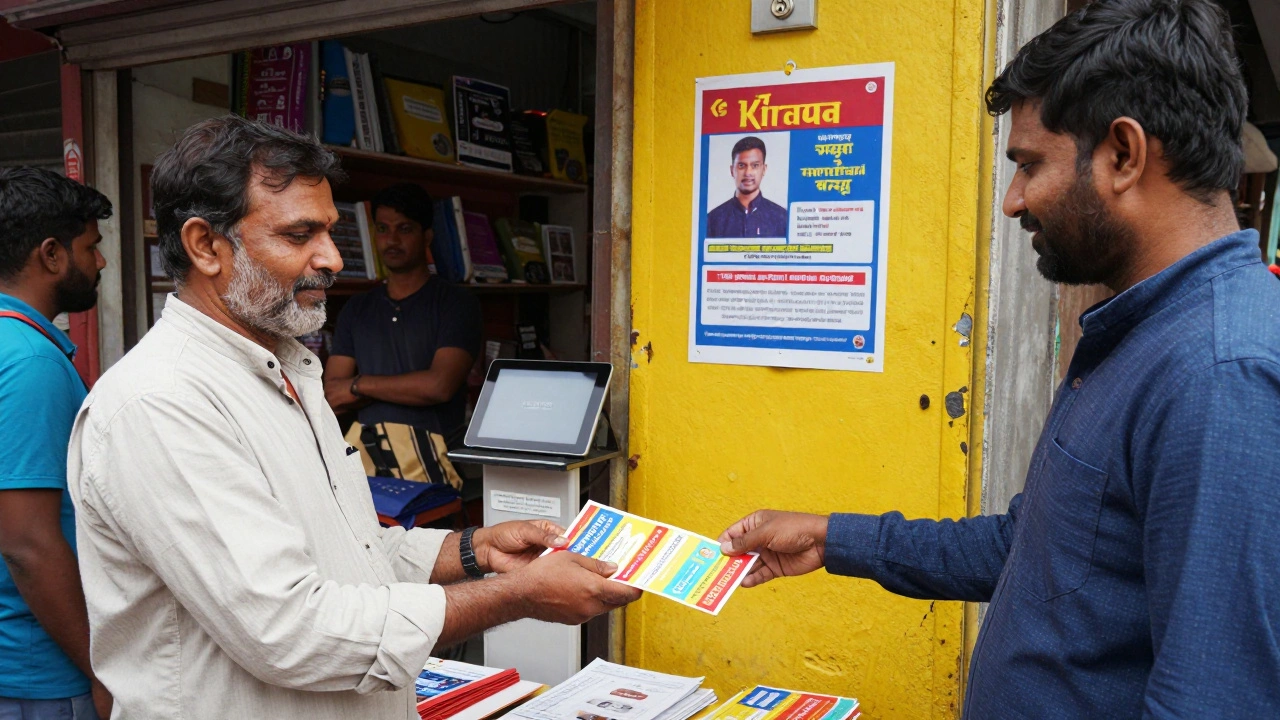
A winning strategy uses a "multi-channel approach." Combine digital ads with physical presence. Go to the places where your target audience already spends time. If you're organizing a youth program, don't just email parents; go to the local skate park or the library. If you're helping seniors, leave flyers at the pharmacy or the post office. The goal is to meet people in their natural environment, which removes the barrier of them having to seek you out.
Partnering with established Non-Profit Organizations or local businesses is another shortcut to credibility. When a trusted local doctor or a well-known shopkeeper endorses your project, you inherit their trust. This is far more effective than spending a month trying to build your own reputation from scratch.
Executing the Event or Program
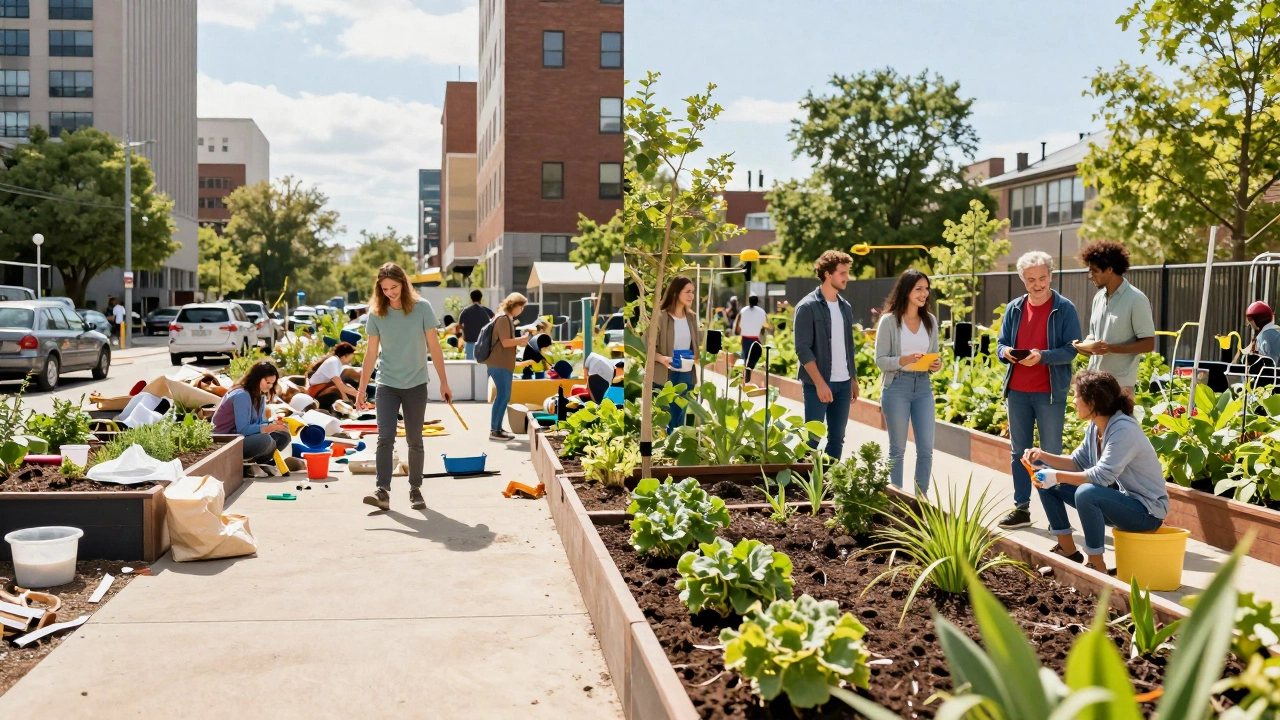
The day of the event is where the planning meets the pavement. The biggest risk here is "logistical friction"-small problems that create big delays. This is why a detailed checklist is non-negotiable. Who has the keys? Is the WiFi working? Do we have enough water for the volunteers? If you're hosting a community outreach event, the atmosphere is just as important as the service. If the environment feels welcoming and organized, people will return. If it feels chaotic, they won't.
Focus on the "user experience" of the people you're helping. If they have to fill out a ten-page form before receiving help, they might just walk away. Streamline the process. Use simple intake forms and ensure there's a clear path from the entrance to the service. Your job as the organizer isn't to do all the work, but to ensure the system works so your volunteers can focus on the people.
Measuring Success and Maintaining Momentum
Most outreach projects fail because the organizer stops once the event is over. The real work happens in the follow-up. You need to prove that your efforts actually did something. This is where you look at your initial goals. Did you reduce the food pantry wait time? How many people actually signed up for the literacy classes? Use these numbers to tell a story.
Sharing these results is the best way to attract more funding and volunteers for the next round. People love to be part of a winning team. Send a "Impact Report" email to everyone involved, showing photos of the result and the hard data of the success. This turns a one-time event into a sustainable program. When volunteers see that their three hours of work led to 50 families getting meals, they are much more likely to sign up again.
How do I find volunteers if nobody knows about the project?
Start with your immediate circle-friends, family, and coworkers-but don't stop there. Use "hyper-local" platforms like Nextdoor or community Facebook groups. More importantly, approach local businesses and offer them a chance to be a "community partner." Many businesses have a social responsibility quota and are looking for local projects to support. Offering them a mention in your materials in exchange for volunteer hours is a win-win.
What if I don't have any budget for the outreach?
Most community projects start with zero dollars. Focus on "in-kind donations" instead of cash. Need a venue? Ask a local church or library for a free room. Need water and snacks? Ask a local grocery store to donate overstocked items. Many companies will provide supplies if you can show them that their brand will be seen by a large group of local residents. The key is to ask for specific items, not general money.
How do I handle volunteers who don't show up?
Assume that 20% of your volunteers will flake. This is a standard rule in grassroots organizing. To mitigate this, over-recruit by 25%. Also, implement a "confirmation loop": send a reminder email three days before, a text message 24 hours before, and a final nudge the morning of the event. If you make the commitment feel personal rather than an anonymous sign-up, the attendance rate increases significantly.
How do I ensure the outreach is actually helpful and not intrusive?
Avoid the "savior complex." Instead of deciding what the community needs, ask them. Conduct a small survey or hold a listening session before planning your program. If you assume people need a certain service but they actually want something else, your outreach will be ignored. Collaborative design-where the beneficiaries help plan the service-ensures the project is relevant and respected.
What's the best way to track the data for my impact report?
Keep it simple. Use a digital spreadsheet (like Google Sheets) or a simple physical tally sheet at the event. Track three things: Number of participants, number of volunteer hours, and the specific outcome (e.g., pounds of trash collected, number of books distributed). Avoid overly complex software that takes more time to manage than the actual project.
Next Steps and Troubleshooting
If you're feeling overwhelmed, start with a "Micro-Outreach." Instead of a month-long program, try a one-day "Pop-Up" event. This lets you test your messaging, your volunteer flow, and your community's interest without risking a huge amount of time or resources.
If you hit a wall where people are interested but not acting, look at your friction points. Are the sign-up forms too long? Is the meeting location hard to find? Often, the lack of participation isn't due to a lack of interest, but a lack of ease. Remove one small hurdle, and you'll usually see a spike in engagement. Once you've mastered the small event, you can scale up to a permanent community fixture.