
Charity Event Format Selector
Not sure what to call your next fundraiser? Answer these questions to find the best format for your organization.
You’re planning a fundraiser. You have the cause, the budget, and the volunteers. But when you sit down to draft the invitation, you hit a wall. What do you actually call it? Is it a gala? A bake sale? A telethon? The name matters more than you think. It sets expectations for dress code, ticket price, and even how much money people expect to spend.
There is no single word for "charity event." Instead, there is a whole taxonomy of terms, each with its own history, vibe, and financial model. Using the wrong label can confuse donors or scare them away. If you call a casual community cleanup a "Gala," people might show up in tuxedos and be disappointed. If you call a black-tie dinner a "Fun Run," you’ll lose your high-net-worth sponsors.
The Big Four: Traditional High-Value Events
When most people hear "charity event," they picture one of four major categories. These are the heavy hitters in the nonprofit world, responsible for raising billions annually. Understanding their specific definitions helps you choose the right format for your organization’s goals.
The first is the Gala, which is a formal evening celebration involving dinner, entertainment, and speeches, typically featuring a live auction. Galas are expensive to produce but yield high returns per attendee. They rely on table sales rather than individual tickets. Think of the Met Gala or local hospital benefit dinners. The key attribute here is formality. Attendees wear suits and dresses. The atmosphere is celebratory, not competitive. If your audience includes corporate sponsors who want networking opportunities, a gala is your best bet.
Next is the Auction, defined as an event where goods or services are sold to the highest bidder, either silently or live. Auctions rarely stand alone; they are usually components of galas or dedicated events like "Wine Auctions." There are two main types: silent auctions (bidding via paper sheets or apps during mingling) and live auctions (an auctioneer drives up prices verbally). Silent auctions work well for lower-value items and keep energy flowing. Live auctions require skilled hosts and high-value items, like vacations or signed memorabilia, to generate excitement.
Then we have the Golf Tournament, which is a day-long sporting event where participants pay entry fees and seek sponsorships for holes or teams. Golf fundraisers are popular because they appeal to older, wealthier demographics with disposable income. Unlike a gala, the focus is on activity and relationship-building over several hours. Sponsors often buy signage on the course or host a cart. The social aspect is critical; many attendees come for the business networking disguised as leisure.
Finally, there is the Dinner Theater or Benefit Concert, categorized as entertainment-focused events where ticket proceeds go directly to charity. These leverage existing venues and artists. The barrier to entry is lower than a gala, but so is the average donation amount. Success depends entirely on the draw of the performer or play. If you don’t have a strong cultural hook, this format struggles to fill seats.
Active and Community-Based Formats
If your goal is broad participation rather than deep pockets from a few donors, look at active events. These formats prioritize visibility and community engagement. They are less about elegance and more about energy.
The Walkathon or Fun Run is a mass-participation athletic event where participants solicit pledges per mile or flat donations. Examples include Relay For Life or Color Runs. These events thrive on peer-to-peer fundraising. Participants recruit friends and family to donate. The logistics are heavy-permits, water stations, medical tents-but the marketing potential is huge. Photos of hundreds of people wearing matching shirts create powerful social media content. Note that while these raise awareness effectively, net profit margins can be thin due to high operational costs.
Another common term is the Carnival or Fair, which refers to a multi-day outdoor festival featuring games, rides, food stalls, and entertainment. State fairs and church carnivals fall here. Revenue comes from gate admission, vendor booth rentals, and game prizes. This format works best for organizations with access to large open spaces and volunteer manpower. It appeals to families with children. The downside? Weather dependency. One rainstorm can wipe out weekend profits.
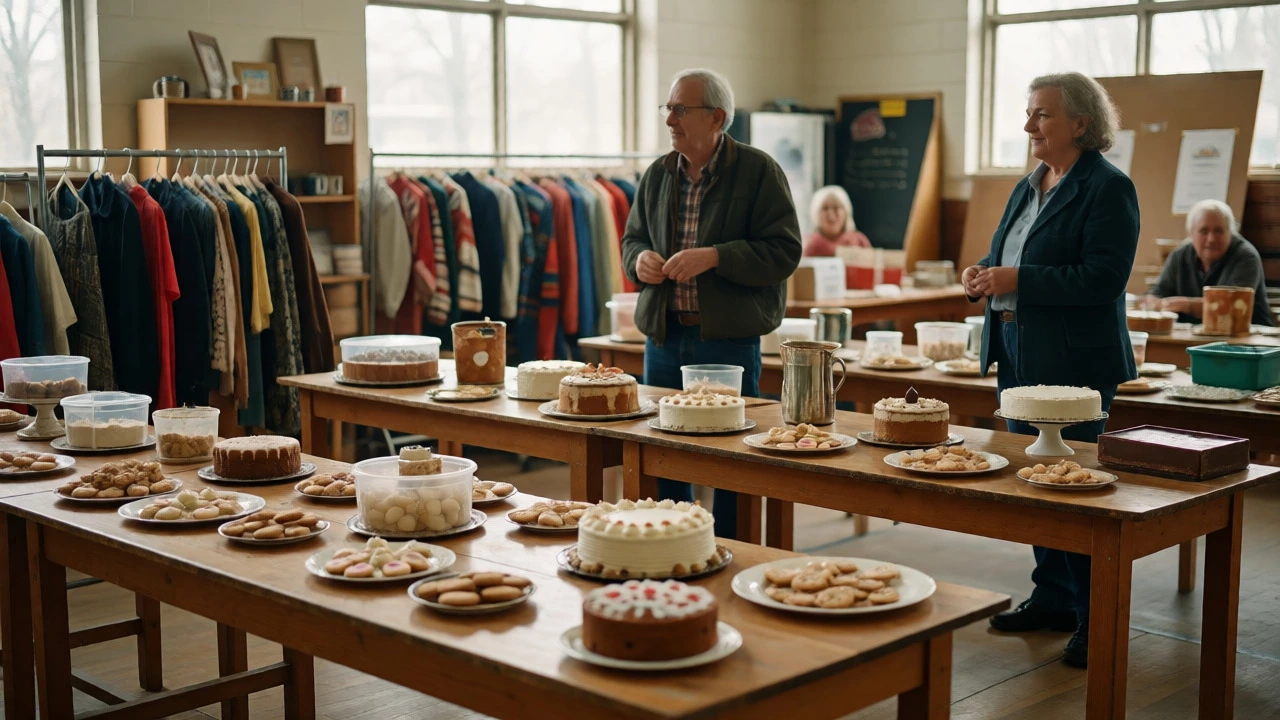
Don’t overlook the Bake Sale or Garage Sale, traditional low-cost events where items are donated by the community and sold for cash. While simple, they are misunderstood. A garage sale isn’t just selling old stuff; it’s a community bonding exercise. To maximize revenue, curate the inventory. Don’t sell broken lamps. Sell vintage clothes, books, and working electronics. Price items clearly. Use signage to direct traffic. These events are ideal for small nonprofits with limited budgets and strong neighborhood ties.

Modern and Digital Hybrids
The post-2020 landscape changed everything. We now see hybrid models that blend physical presence with digital reach. If you’re stuck on what to call your new initiative, consider these emerging terms.
The Telethon has evolved into the long-form broadcast or livestream event soliciting real-time donations via phone or online platforms. Originally associated with Jerry Lewis, modern versions happen on Twitch, YouTube, or Instagram Live. Gamers streaming for 24 hours to raise money for St. Jude are running telethons. The key difference is interactivity. Viewers comment, share, and donate instantly. This format requires constant content creation to keep viewers engaged. Silence kills telethons.
Virtual galas are another twist. Instead of a ballroom, guests log into Zoom or a custom platform. They bid on digital items or experiences. The cost savings are massive-no catering, no venue rental. However, donor fatigue is real. People are tired of screens. To make virtual events work, you need unique content, like exclusive behind-the-scenes tours or celebrity appearances that wouldn’t be possible in person.
| Event Type | Primary Goal | Audience | Cost to Organize | Revenue Potential |
|---|---|---|---|---|
| Gala | High-ticket donations & Networking | Corporate, Wealthy Individuals | Very High | High |
| Golf Tournament | Sponsorships & Relationship Building | Business Owners, Professionals | High | Medium-High |
| Walkathon | Awareness & Peer-to-Peer Funds | General Public, Families | Medium | Variable |
| Auction | Direct Sales of Goods/Experiences | Collectors, Enthusiasts | Low-Medium | Depends on Items |
| Bake/Garage Sale | Community Engagement | Neighbors, Locals | Very Low | Low |
Niche and Themed Variations
Sometimes, the generic terms don’t fit. That’s when you get creative. Many successful events use thematic naming to signal exactly what the experience will be. This reduces confusion and increases attendance.
Consider the Trivia Night, which is a team-based quiz competition where entry fees support a cause. These are incredibly low-risk. You need a bar, a microphone, and a question sheet. Teams compete for bragging rights. Upsells include extra rounds or drink specials. It’s perfect for building a younger demographic base for your organization.
Tastings (Wine, Beer, Food) are events where attendees sample products and purchase packages or raffles. These work well because the product itself is the attraction. Local breweries or wineries often donate space or products in exchange for publicity. The key is curation. Offer flights of samples, not full bottles initially. Charge for the tasting pass, then upsell full purchases.
For animal shelters, the Pet Walk or Bark in the Park is a standard format. It combines the fun run concept with pet ownership pride. Participants pay a registration fee for themselves and their dog. Photo ops drive social sharing. This niche specificity attracts a passionate crowd willing to spend on gear and treats.
How to Choose the Right Name
Selecting the right terminology isn’t just semantics; it’s strategy. Here is a quick decision framework.
- Do you need big checks? Go with Gala, Golf, or Auction. Use words like "Benefit," "Ball," or "Classic."
- Do you need volume? Go with Walk, Run, or Carnival. Use words like "Challenge," "Fest," or "Day."
- Do you have limited funds? Go with Bake Sale, Trivia, or Virtual Event. Keep names simple and descriptive.
- Is it recurring? Brand it. "The Annual Spring Gala" builds tradition faster than "Spring Fundraiser."
Remember, consistency matters. If you call it a "Gala" one year and a "Dinner" the next, regular donors get confused. Pick a lane and stay in it until you’ve established a reputation. Also, consider your geographic context. In some regions, "Fair" implies agricultural roots, while in others, it means amusement park. Know your local audience.
What is the difference between a gala and a fundraiser?
A fundraiser is any activity designed to collect money for a cause. A gala is a specific type of fundraiser characterized by a formal dinner, entertainment, and often an auction. All galas are fundraisers, but not all fundraisers are galas. A bake sale is a fundraiser, but it lacks the formal structure and high ticket price of a gala.
Are golf tournaments still effective for fundraising?
Yes, particularly for organizations targeting older, affluent demographics. While participation rates among millennials may be lower, the sponsorship revenue from local businesses remains strong. Golf tournaments offer long interaction times with donors, facilitating deeper relationships compared to brief encounters at other events.
What should I call a small, informal charity gathering?
Use terms like "Community Social," "Open House," or "Meet-and-Greet." Avoid grandiose titles like "Gala" or "Banquet" if the event is casual. Clear, modest naming sets appropriate expectations for attire and contribution levels, preventing attendee discomfort.
Can I combine different event types?
Absolutely. Hybrid events are increasingly common. For example, a "Golf Gala" might involve playing golf during the day and attending a formal dinner at night. Or a "Run-A-Thon" might include a silent auction tent at the finish line. Combining formats can diversify revenue streams and attract different segments of your audience.
Why is naming important for charity events?
Naming influences perception and behavior. A title signals the required effort, cost, and social norm. Mislabeling can lead to low turnout (if the event sounds too demanding) or under-donation (if it sounds too casual). Accurate naming aligns donor expectations with the actual experience, enhancing satisfaction and likelihood of return.