
Donation Impact Calculator
How Your Donation Makes a Difference
Based on data from UK food banks and charities, see the real impact of different donation types. Cash donations provide the most flexibility and impact. Donated goods may not always be usable, while time and skills help communities directly.
Your Impact
When you think about giving to charity, what comes to mind? A box of canned food? A bag of old clothes? A cash donation at a fundraiser? The truth is, people give all kinds of things-but not everything gets donated equally. Some items and causes consistently pull in the most support, while others struggle to get noticed. So what do people donate to the most? The answer isn’t just about what’s easy to give-it’s about what people see as urgent, visible, and deeply human.
Food and Basic Necessities Lead the Way
Every year, food banks across the UK and beyond report the same pattern: non-perishable food items are the most commonly donated goods. Canned beans, pasta, rice, soup, and peanut butter top the list. Why? Because hunger doesn’t take a break. In 2025, Trussell Trust food banks distributed over 3 million emergency food parcels in the UK alone. That’s nearly one every 10 seconds. People know that a can of tuna or a packet of rice can mean the difference between a meal and going without for a family. It’s simple, tangible, and immediate.
Beyond food, hygiene products are in high demand. Toothpaste, soap, menstrual products, and diapers are rarely advertised as donation items-but they’re just as critical. A 2024 survey by the British Red Cross found that 68% of people using food banks also reported going without basic toiletries. Donating these items doesn’t make headlines, but it changes lives.
Clothing and Household Goods Are Still Popular-But With a Catch
Old clothes, blankets, and furniture still make up a huge chunk of donations. Charity shops like Oxfam and Salvation Army rely on them. But here’s the catch: not everything gets used. In 2025, UK charities received over 300,000 tonnes of clothing donations. Only about 20% of that was resold locally. The rest got exported or ended up in landfills.
People donate clothes because it feels good to clear out a closet. But the most helpful donations are clean, wearable, and in good condition. A stained shirt or a missing sock might feel like a small thing to you-but to a charity sorting through piles of it, it’s extra work and waste. If you’re donating clothes, ask yourself: Would I wear this? If the answer’s no, it’s probably not helping.
Cash Donations Are the Silent Giant
While people love giving physical stuff, cash is what charities actually depend on. In 2025, the average UK household gave £112 to charity. But here’s the twist: the top 10% of donors gave over £1,000 each. That’s where the real power lies. Cash lets organizations respond fast. Need more food? Buy it. Need to fix a broken heating system in a shelter? Pay for it. Need to hire a social worker? Pay their salary.
One food bank in Bristol told us they could stretch £1 into three meals thanks to bulk purchasing and local partnerships. A bag of donated rice might feed one family for a day. £5 in cash? It can feed five. That’s why many charities now ask for monetary gifts over physical ones. It’s efficient. It’s flexible. And it saves them from storing, sorting, and disposing of unwanted items.
Time Is the Most Undervalued Donation
People don’t always think of time as a donation-but it’s one of the most powerful. Volunteering at a food bank, driving seniors to appointments, tutoring kids after school-these aren’t just nice things to do. They’re essential services. In 2025, over 1.5 million people in the UK volunteered regularly with charities. That’s the equivalent of 70,000 full-time jobs.
And here’s something surprising: volunteers often end up donating more than they realize. A person who spends 5 hours a week helping at a homeless shelter might also bring in extra blankets, snacks, or books. Time opens the door to other forms of giving.
What’s Missing? Medical Supplies and Tech
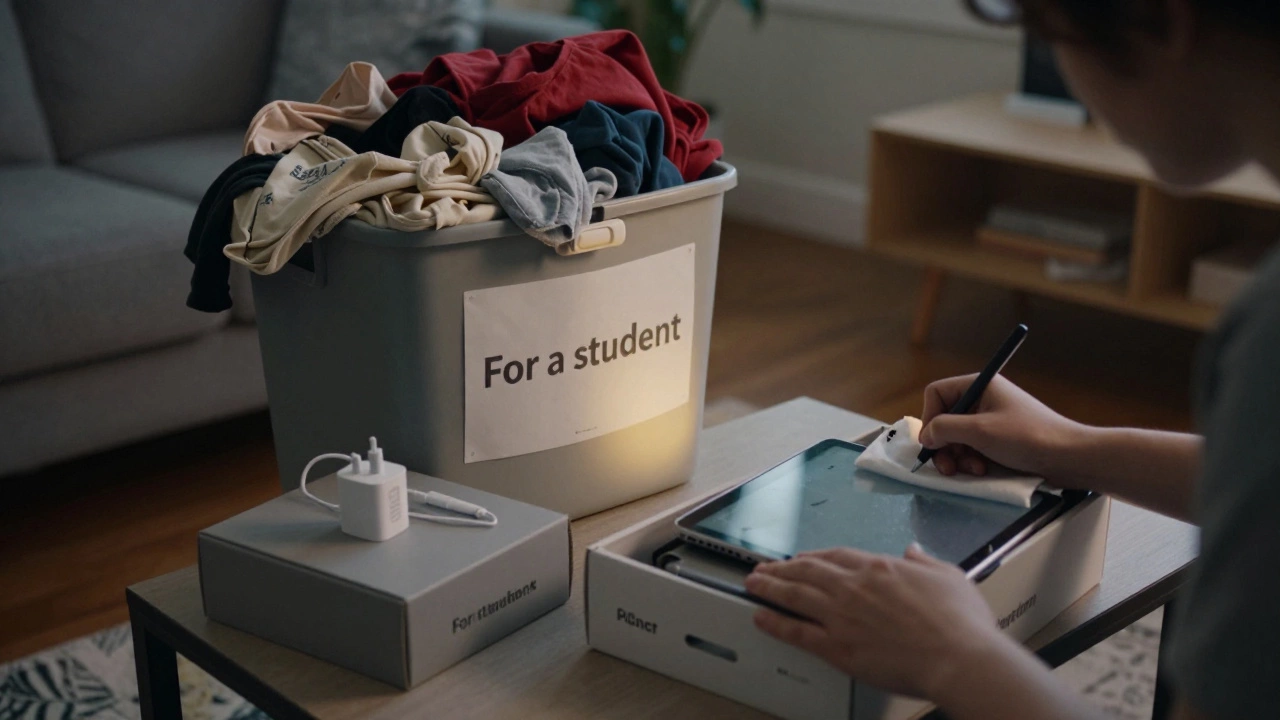
There are big gaps in what people donate. While food and clothes flood in, medical supplies like bandages, wheelchairs, and hearing aids are in short supply. Same with technology: working laptops, tablets, and internet hotspots. Schools and shelters need them for kids doing homework or adults applying for jobs-but few people think to give them.
A charity in Bristol that helps refugees said they had 30 families needing internet access for job applications-but only two donated devices. Meanwhile, they got 200 pairs of winter gloves. The mismatch is real. If you have an old tablet that still works, don’t just toss it. Think: could this help someone find work, connect with family, or get healthcare info?
Seasonal Spikes and the Real Story Behind the Numbers
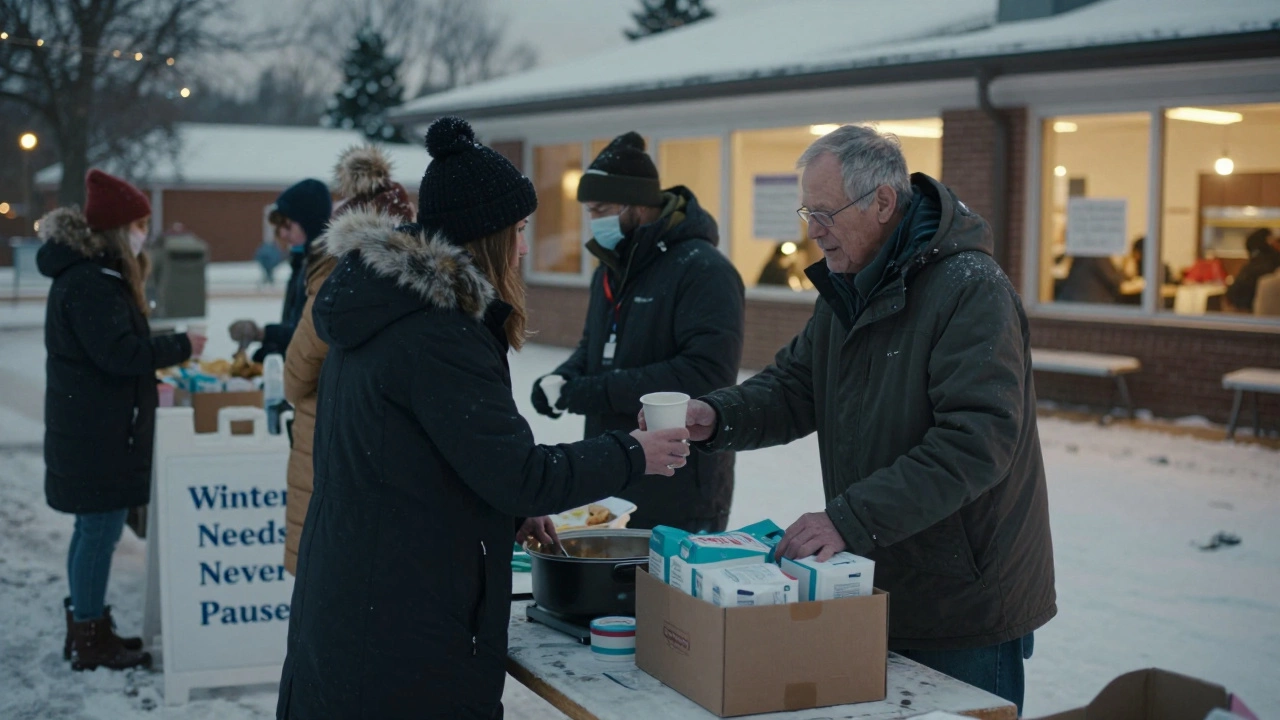
Donations spike around Christmas. That’s no surprise. But here’s what’s less talked about: donations drop by 40% in January. That’s when need is still high, but attention has moved on. People give because it’s the season. But the people who rely on these donations? They need help year-round.
Charities that survive are the ones that build steady support-not just holiday bursts. Regular monthly donors are the backbone of most organizations. One in four UK charities now rely on monthly giving for over half their income. It’s not flashy. But it’s sustainable.
What Should You Donate? A Simple Guide
If you’re wondering what to give, here’s what actually helps most:
- Cash-it’s the most flexible and impactful way to help.
- Non-perishable food-check what your local food bank needs. Avoid expired or dented cans.
- Hygiene items-soap, toothpaste, pads, diapers. These are rarely requested but desperately needed.
- Working tech-laptops, tablets, chargers. Clean them up and wipe the data first.
- Your time-volunteering even once a month makes a difference.
And here’s what to avoid:
- Broken or stained clothes
- Used mattresses or pillows (most charities can’t take them)
- Expired medicine or personal care items
- Large furniture unless they specifically ask for it
Why This Matters More Than You Think
Charity isn’t about feeling good. It’s about fixing real problems. When you give food, you’re not just handing out a tin-you’re letting a child eat before school. When you give cash, you’re letting a shelter pay for a heating bill so someone doesn’t freeze. When you give time, you’re giving someone a chance to feel seen.
People donate to what they can see, touch, and understand. But the most effective giving isn’t always the most visible. The quietest donations-the monthly bank transfer, the used laptop, the hour spent listening to someone who’s lonely-are the ones that keep communities alive.
So next time you’re thinking about what to give, ask: Who needs this? Will it actually help? And will it still matter in February?
What is the most needed donation at food banks?
The most needed donations at food banks are non-perishable food items like canned beans, pasta, rice, soup, and peanut butter. Hygiene products such as soap, toothpaste, menstrual pads, and diapers are also in high demand but often overlooked. Cash donations are the most flexible and allow food banks to buy exactly what’s needed in bulk.
Is it better to donate money or goods?
Cash is almost always better. It lets charities buy what they need, when they need it, often at a lower cost than retail prices. Donated goods require storage, sorting, and transport-and many items end up being thrown out. A £5 donation can provide three meals; a donated can of soup provides one. Cash also helps cover hidden costs like fuel, staff, and utilities.
What items do charities refuse to accept?
Most charities won’t accept used mattresses, pillows, broken electronics, expired food or medicine, stained or torn clothing, or large furniture unless they have space and staff to handle it. Always check with the charity first. Many have lists of what they can and cannot take on their websites.
Why do donations drop after Christmas?
Donations spike around Christmas because of cultural habits and media focus. But need doesn’t disappear in January. In fact, winter is often the hardest time for people struggling with fuel poverty and food insecurity. After the holidays, attention shifts, and donations fall by up to 40%. Charities that rely on seasonal giving often face serious gaps in funding during the first months of the year.
Can I donate my old laptop or tablet?
Yes-if it still works. Many charities help refugees, low-income families, and students who need devices for school, job applications, or online healthcare. Before donating, wipe all personal data using a factory reset. Include the charger and any accessories. Some organizations even offer free data removal services.