
Volunteer Resilience & Persistence Calculator
Explore the traits of resilient volunteers and assess your potential for long-term community impact.
Key Traits for Your Path:
Ever watched someone tackle a massive community project for years, facing rejection after rejection, only to keep showing up every single Saturday? We often ask ourselves: what do you call a person who never gives up? While there isn't one single dictionary definition that captures the full weight of this trait, in the world of service and community building, we have a few powerful words. We call them resilient volunteers, steadfast advocates, or simply the backbone of our neighborhoods.
In Bristol, and indeed across the UK, these individuals are the ones turning empty lots into community gardens despite council red tape. They are the mentors who keep checking in on at-risk youth even when progress is slow. They don’t just show up; they stay. But what makes them tick? And more importantly, how can you cultivate that same unshakeable spirit without burning out?
The Anatomy of a Resilient Volunteer
When we talk about someone who "never gives up," we aren't talking about blind stubbornness. True resilience in volunteering is strategic. It’s the ability to adapt when Plan A fails and pivot to Plan B without losing sight of the goal. Psychologists often refer to this as "grit," a combination of passion and perseverance for long-term objectives. In the context of community outreach, organized efforts to engage with local populations to address specific social needs, grit looks like solving problems rather than complaining about them.
Consider the difference between a casual helper and a resilient advocate. A casual helper might organize one food bank drive. A resilient volunteer notices that the food bank is still struggling six months later, so they start lobbying local businesses for recurring donations. They face closed doors, but they knock again. This persistence transforms temporary aid into sustainable change. It shifts the dynamic from charity-where help is given-to empowerment, where systems are improved.
Why Persistence Matters in Community Work
You might wonder why giving up is such a common risk in the first place. Volunteering is emotionally taxing. You deal with bureaucracy, limited resources, and sometimes, apathy from those you’re trying to help. If you expect immediate results, you will quit. The people who last understand that social change is a marathon, not a sprint.
Think about environmental groups fighting for cleaner rivers. They might spend three years collecting data before seeing a single policy change. A person who never gives up understands the value of incremental progress. They celebrate small wins-a new partner organization, a slightly larger turnout at an event-as fuel for the next challenge. This mindset is crucial because it prevents the "compassion fatigue" that plagues many well-meaning helpers.
| Trait | Casual Helper | Resilient Volunteer |
|---|---|---|
| Time Horizon | Short-term (weeks/months) | Long-term (years/decades) |
| Response to Failure | Disappointment & withdrawal | Analysis & adaptation |
| Motivation Source | External validation (praise) | Intrinsic purpose (mission) |
| Network Building | Minimal | Strategic & collaborative |
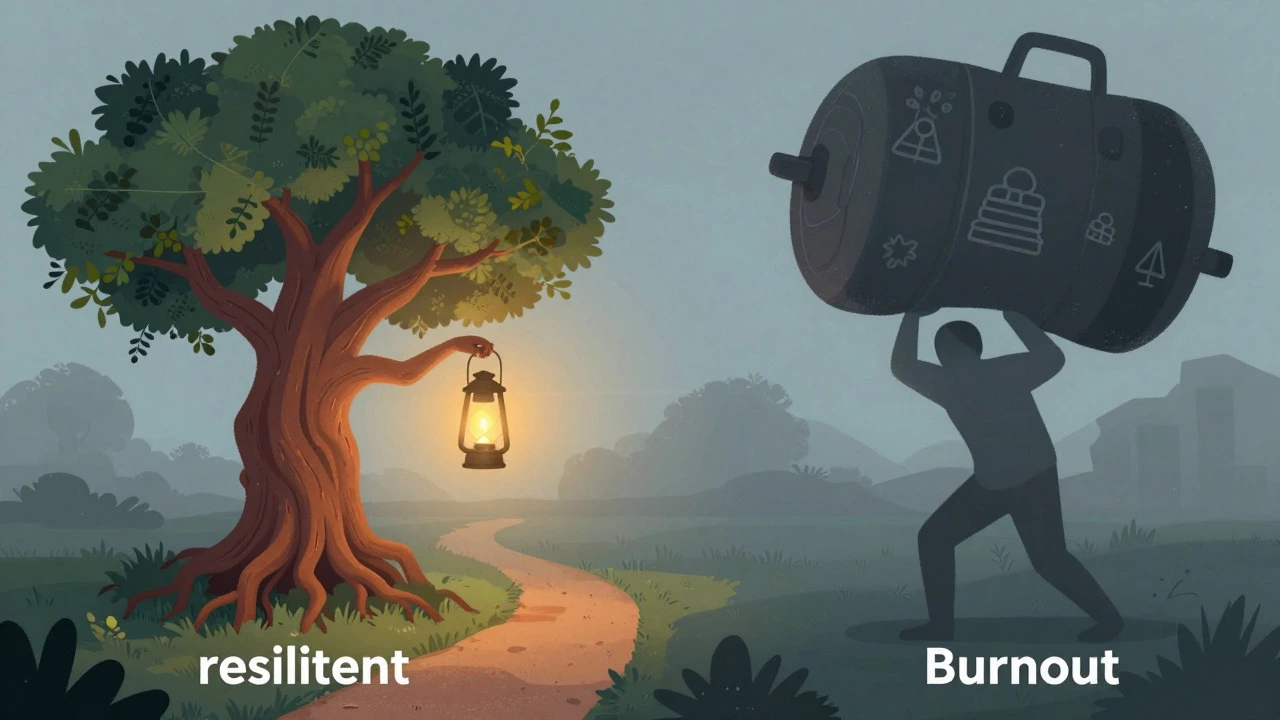
Burnout: The Enemy of Persistence
Here is the hard truth: if you never rest, you will eventually break. Being a person who never gives up doesn’t mean you never stop working. It means you know how to recover. Burnout is the silent killer of volunteer movements. It happens when emotional demands exceed your capacity to cope. Many dedicated volunteers quit not because they lost faith in the cause, but because they lost faith in their own ability to sustain the effort.
To avoid this, resilient volunteers practice boundaries. They schedule downtime just as strictly as they schedule shifts. They delegate tasks instead of hoarding responsibilities. In Bristol’s active youth activities sector, programs designed to engage young people in constructive hobbies and learning, successful leaders emphasize team rotation. No single person carries the mental load forever. By sharing the burden, the group becomes stronger, and individual members remain fresh and motivated for the long haul.
How to Cultivate Unshakeable Resolve
Want to become that person who keeps going? Start by clarifying your "why." When the work gets tough-and it will-your initial excitement won’t be enough. You need a deeper connection to the mission. Ask yourself: What specific outcome am I fighting for? Is it safer streets? Better education for kids? Cleaner air? Write it down. Keep it visible.
Next, build a support network. Resilience is rarely a solo act. Connect with other volunteers who share your values. Share your frustrations. Celebrate your wins together. When you see others persevering through similar challenges, it normalizes the struggle and provides practical advice. Joining established charity organizations non-profit entities dedicated to helping specific causes or communities can provide this structure, offering training and mentorship that helps you navigate obstacles more effectively.
Finally, embrace flexibility. Stubbornness says, "It must be done my way." Resilience says, "The goal matters, so let’s find another path." If your community garden project gets denied planning permission, maybe you start a mobile planting initiative instead. Adaptability ensures that setbacks become detours, not dead ends.
Real-World Examples of Persistence
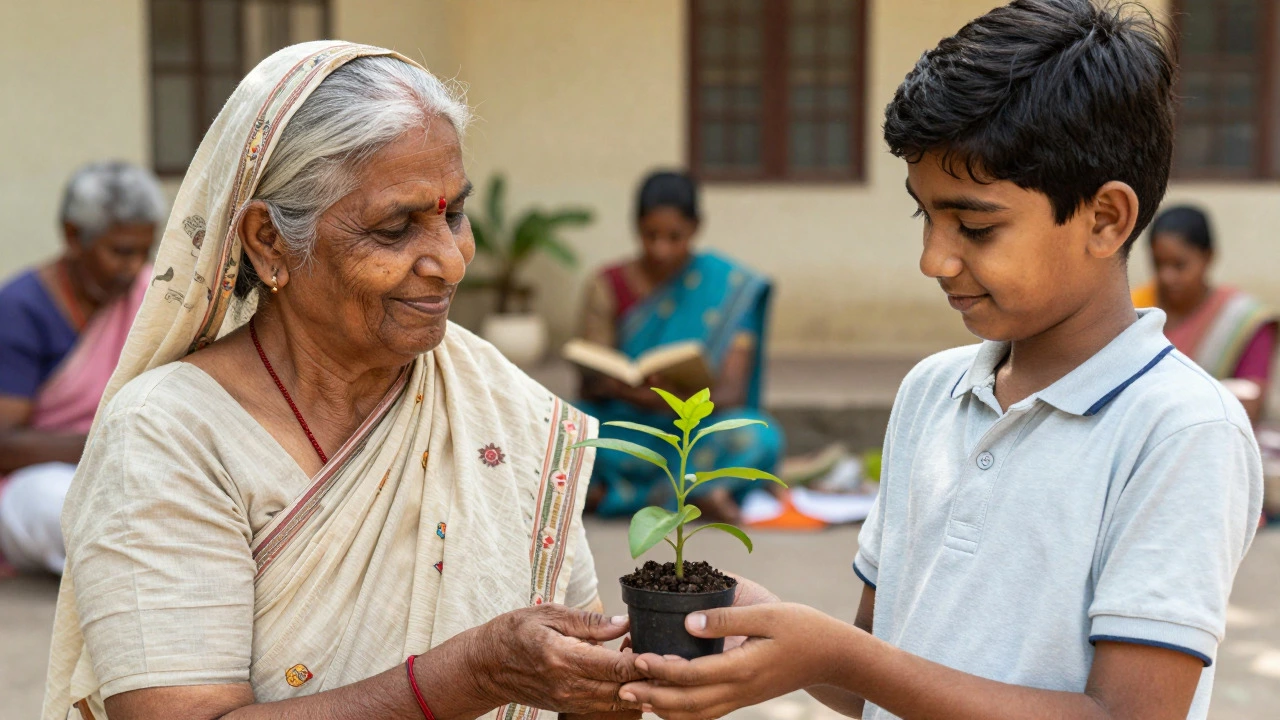
Look at the history of civil rights, environmental protection, or healthcare access. Every major advancement was driven by people who refused to accept the status quo. Consider the founders of modern homeless shelters. They faced immense stigma and funding hurdles. Yet, they persisted because they saw human dignity where society saw inconvenience. Their persistence created the infrastructure we rely on today.
In local contexts, think of the neighbors who organized mutual aid networks during crises. They didn’t wait for permission. They acted, adjusted, and kept acting until the need was met. These stories remind us that persistence isn’t about being loud; it’s about being consistent. It’s about showing up day after day, even when no one is watching.
Finding Your Place in the Movement
If you feel called to serve but worry you lack the stamina, remember that everyone starts somewhere. You don’t need to be a hero on day one. Just commit to showing up. Learn from those who have been doing it longer. Observe how they handle stress and failure. Over time, you’ll develop your own toolkit for resilience.
Whether you’re interested in elderly care support services provided to older adults to maintain their independence and quality of life, environmental education, or mental health support, the principle remains the same. Consistency beats intensity. Small, sustained actions create lasting impact. So, what do you call a person who never gives up? You call them a neighbor. A friend. A changemaker. And perhaps, soon, you’ll call yourself that too.
Is resilience something you're born with or can it be learned?
While some people may have a natural predisposition toward persistence, resilience is largely a skill that can be developed. Through mindfulness, cognitive reframing, and building strong support networks, anyone can enhance their ability to bounce back from setbacks and maintain long-term commitment to a cause.
How do I distinguish between healthy persistence and toxic stubbornness?
Healthy persistence focuses on the goal and adapts methods when necessary. Toxic stubbornness clings to a specific method regardless of its effectiveness. If you are open to feedback, willing to change tactics, and prioritize the well-being of those you serve, you are likely practicing healthy persistence. If you ignore evidence that your approach is failing, you may be stuck in stubbornness.
What are the early signs of volunteer burnout?
Early signs include chronic fatigue, cynicism or detachment from the cause, reduced effectiveness in tasks, and physical symptoms like headaches or sleep disturbances. If you find yourself dreading your volunteer shifts or feeling irritable with the people you're trying to help, it's time to step back and reassess your workload and boundaries.
Can volunteering alone lead to significant social change?
Rarely. While individual effort is valuable, systemic change usually requires collective action. Resilient volunteers understand the power of collaboration. They build coalitions, partner with other organizations, and mobilize communities. The most impactful changes come from coordinated efforts rather than isolated acts of kindness.
How important is self-care for long-term volunteers?
Self-care is critical, not optional. It is the foundation that allows you to sustain your energy and empathy over years. Without regular rest, reflection, and rejuvenation, even the most passionate volunteers will eventually exhaust their reserves. Prioritizing your own well-being enables you to serve others more effectively and consistently.