
Community Need Assessment Tool
Identify Real Needs Before Planning Outreach
Based on the article's principles: Listening first, acting second. This tool helps you avoid assumptions and build meaningful programs.
Step 1: Identify the Problem
Step 2: Who Is Affected?
Step 3: What Resources Exist?
Step 4: How Will You Listen?
Your Results
Key Insights
Real-World Example
Action Steps
Effective outreach listens first, acts second. Measure impact through trust, not just numbers.
When people talk about community outreach, they often sound like they’re describing something abstract-volunteers handing out flyers, a charity event with balloons, or a nonprofit trying to look good on social media. But real community outreach isn’t about appearances. It’s about showing up, listening, and staying. One of the clearest examples of a successful community outreach program is the Bristol Food Connect initiative, launched in 2021 in response to rising food insecurity after the pandemic.
How Bristol Food Connect Works
Bristol Food Connect started when a group of local teachers, grocery store managers, and retired chefs noticed that kids in low-income neighborhoods were skipping meals. Instead of just setting up a food bank, they built a network. They partnered with 14 schools, three community centers, and seven local farms. Every Friday, volunteers delivered fresh produce, bread, and protein packs directly to families’ doorsteps. No forms to fill out. No questions asked. Just food.
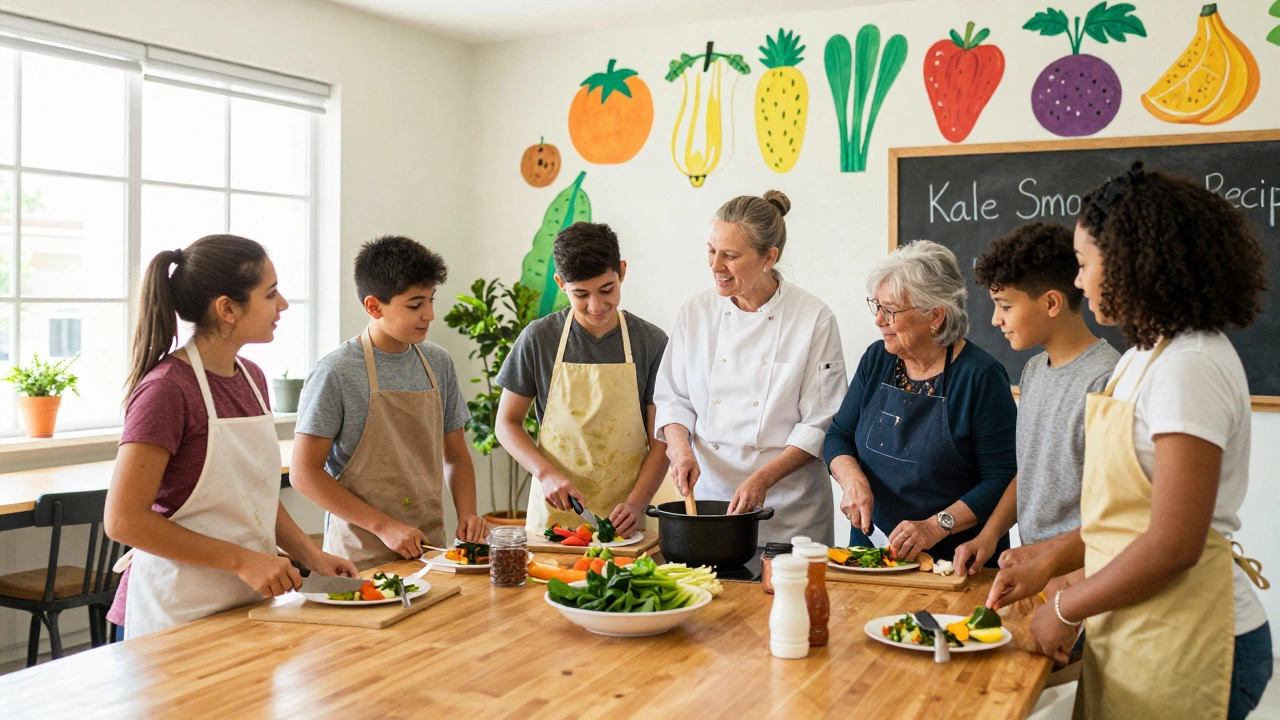
The program didn’t stop there. They added cooking classes at the community centers. Kids learned how to turn kale and sweet potatoes into meals. Parents learned budget-friendly recipes. The local high school’s culinary club started volunteering, earning service hours while helping neighbors. By 2024, the program served over 8,000 households monthly. And the best part? It didn’t rely on big grants. It grew because people kept showing up.
What Makes This an Outreach Program (and Not Just Charity)
Many confuse outreach with donation drives. But outreach is different. Charity gives. Outreach connects.
Bristol Food Connect didn’t just hand out food. They asked: What do you need? They listened. One mother said her kids hated vegetables. So they started growing them in school gardens. Another father said he couldn’t get time off work to pick up food. So they switched to home delivery. They didn’t assume. They adapted.
This is what sets real outreach apart: it’s responsive. It’s not a one-time event. It’s a relationship. It’s built on trust, not pity. And it’s led by the people it serves-through advisory councils made up of parents, teens, and elders from the neighborhoods.
Other Real Examples Across the U.S. and U.K.
Bristol Food Connect isn’t the only model. Here are three more proven examples:
- Neighborhood Clean-Up Crews (Portland, Oregon) - Teens and seniors teamed up to clean parks and alleyways. The city provided trash bags and gloves. The community provided energy. Within two years, reported vandalism dropped by 40%. The program now includes mural painting and tree planting.
- Reading Buddies for Refugees (Leeds, U.K.) - Local librarians trained volunteers to read with refugee families in their native languages. The kids learned English. The adults learned how to help with homework. The program expanded to include digital literacy workshops at community centers.
- Senior Tech Tuesdays (Austin, Texas) - College students taught older adults how to use Zoom, online banking, and telehealth apps. No jargon. No pressure. Just coffee, patience, and one-on-one help. Attendance grew from 12 people to over 200 per week.
Each of these programs shares the same DNA: they started small, listened hard, and let the community shape the solution.
Common Mistakes in Outreach Programs
Not every effort labeled "outreach" actually works. Here’s what often goes wrong:
- Top-down planning - Organizations decide what’s needed without asking residents. A city once installed free Wi-Fi in a housing complex… but no one used it. Turns out, most families didn’t have devices. The solution wasn’t Wi-Fi. It was device donations.
- One-off events - A single day of free haircuts or car washes feels nice, but it doesn’t build trust. People don’t feel seen if you disappear after one Saturday.
- Volunteer burnout - Relying on unpaid staff to do all the work leads to exhaustion. Successful programs pay for part-time coordinators-even $15/hour makes a difference in retention.
- Ignoring cultural context - A program that works in one neighborhood might fail in the next. What works for a predominantly Black community might not fit a Latino or Southeast Asian one. Language, food, and traditions matter.
How to Start Your Own Outreach Program
If you’re thinking of launching something, start here:
- Find the quiet needs - Not the loud complaints. Walk around. Talk to corner store owners. Ask librarians what families ask for most. Look for patterns.
- Start with one thing - Don’t try to fix everything. Pick one small, solvable problem. A food gap? A lack of after-school space? A loneliness crisis among seniors?
- Partner with existing groups - Churches, schools, PTAs, local businesses. They already have trust. You don’t need to build it from scratch.
- Recruit from within - The best volunteers are often people who’ve been helped before. They understand the pain points better than outsiders.
- Measure what matters - Don’t count how many bags of food you gave out. Count how many families came back. How many kids started asking for vegetables? How many parents said, "I feel seen?"
Why This Matters Now More Than Ever
In 2026, loneliness, economic strain, and distrust in institutions are rising. People aren’t just looking for help-they’re looking for connection. Outreach programs that work don’t treat people as problems to solve. They treat them as partners.
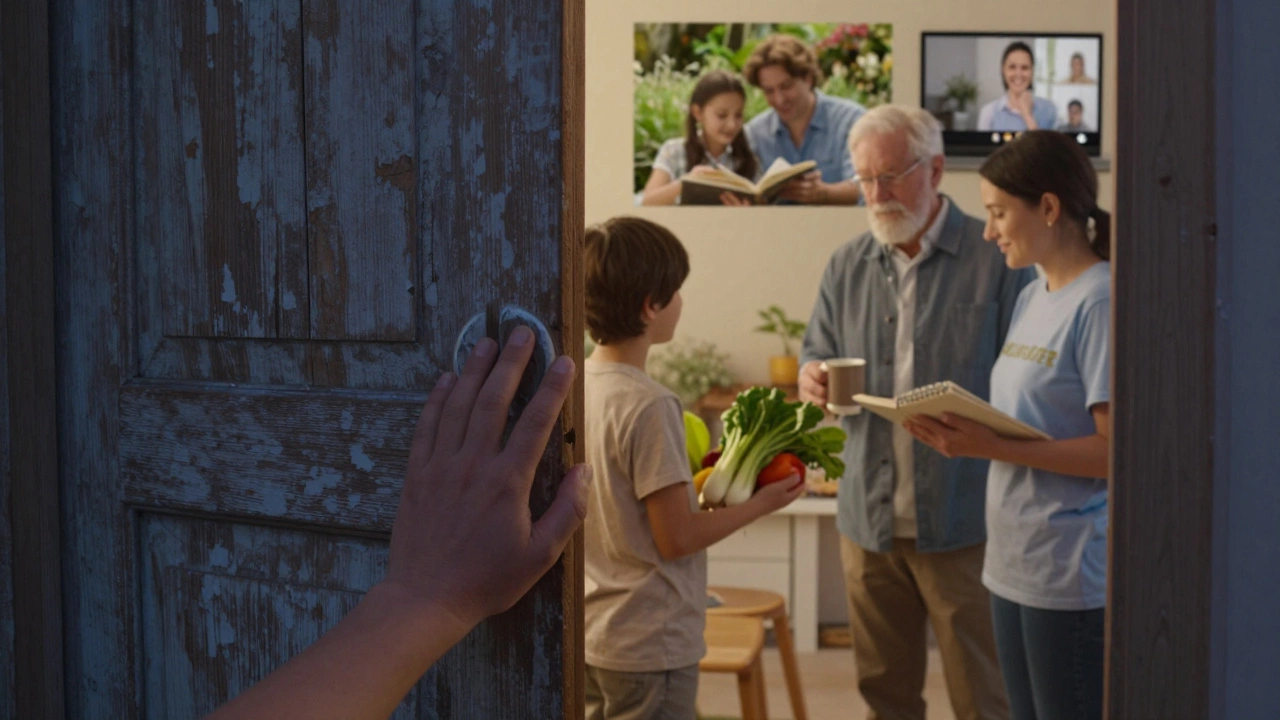
The most powerful outreach programs don’t have fancy websites or celebrity sponsors. They have consistent faces. A volunteer who shows up every Tuesday. A teacher who remembers a kid’s favorite snack. A neighbor who knocks on the door just to say, "I saw you were out last week-everything okay?"
That’s the real example. Not the flyer. Not the photo op. The quiet, daily act of showing up.
What’s the difference between community outreach and volunteering?
Volunteering is an action-someone giving their time. Community outreach is a strategy-it’s about building long-term relationships with a group to understand and meet their real needs. You can volunteer without doing outreach. But outreach almost always involves volunteering. The key difference is intention: outreach listens first, acts second.
Do community outreach programs need funding?
Not always, but they need resources. Some programs, like Bristol Food Connect, started with donated food and space. Others need small grants for transportation, staff, or supplies. The best programs use free resources first-volunteer space, donated goods, in-kind support-before asking for money. Funding helps scale, but it doesn’t create trust. Relationships do.
Can schools run outreach programs?
Absolutely. Schools are often the most trusted institutions in a neighborhood. Many successful outreach programs begin in classrooms. Reading buddies, parent workshops, after-school meals, and mental health check-ins all start with teachers who notice what’s missing. Schools don’t need big budgets-they need willingness to look beyond the curriculum.
How do you know if an outreach program is working?
Look for signs of trust, not just numbers. Are people showing up again? Are they bringing friends? Do they offer feedback without being asked? Are volunteers becoming leaders? If families start saying, "This is our program," you’re on the right track. Metrics like attendance matter, but lasting impact shows in quiet moments-like a child asking a volunteer for help with homework on a Saturday.
What if my community is small or rural?
Small towns often have stronger natural networks. Outreach in rural areas works best when it’s personal. A weekly coffee hour at the post office. A carpool to the nearest clinic. A shared garden on the edge of town. You don’t need staff or apps. You need someone who remembers names and checks in. In small communities, consistency beats scale.
Next Steps If You Want to Get Involved
Don’t wait for a perfect plan. Start with one conversation. Walk into your local library, community center, or school and ask: "What’s one thing your neighbors need that no one’s helping with?" Write it down. Then find one person who’s already trying to fix it-and ask how you can help. You don’t need to lead. You just need to show up.