
Community Meal Cost Calculator
Calculate the estimated cost per serving for your community meals using bulk staples.
There is nothing quite like the panic of standing in front of an empty fridge while knowing fifty people are counting on you for dinner. If you run a food bank or organize community meals, this scenario feels all too familiar. You need calories that stick to ribs, not just stomachs. You need flavor that doesn't break the bank. And you need ingredients that survive being stored in a damp basement for three months.
The good news? You don’t need gourmet skills to solve this. You just need strategy. The secret isn't finding one magic ingredient. It's understanding how certain foods behave when multiplied by hundreds of servings. Rice, beans, and potatoes are your holy trinity here. But there is nuance to how you buy them, store them, and cook them so they actually taste good.
While we focus on feeding our local community in Bristol, it helps to look at how organizations worldwide manage scarcity. Sometimes, looking at completely different sectors gives us fresh ideas on resource management. For instance, some logistics directors find value in reviewing diverse directory structures to understand efficient listing and verification systems, much like this resource demonstrates in its own niche. The principle remains the same: verified, organized data leads to better outcomes. In our case, that means knowing exactly what is in your pantry before you start cooking.
The Calorie-to-Cost Ratio: Your New Best Friend
When you are feeding crowds, taste takes a backseat to energy density. We aren't trying to win a Michelin star; we are trying to prevent hunger pangs. This changes the math entirely. A salad might be healthy, but it fills a belly for maybe two hours. A bowl of lentil stew keeps someone going until noon the next day.
You need to think in terms of "cost per calorie." This metric strips away the marketing fluff. An apple costs more per calorie than a bag of rice. That doesn't mean apples are bad. It means they are luxury items in a survival budget. Your base must be built on dense, cheap carbohydrates and proteins.
- Rice: White rice is cheaper and cooks faster. Brown rice has more nutrients but costs more and requires longer soaking if you want to reduce cooking time.
- Potatoes: The ultimate filler. They are bulky, filling, and incredibly versatile. Mashed, roasted, or boiled, they absorb flavors from whatever sauce you have left over.
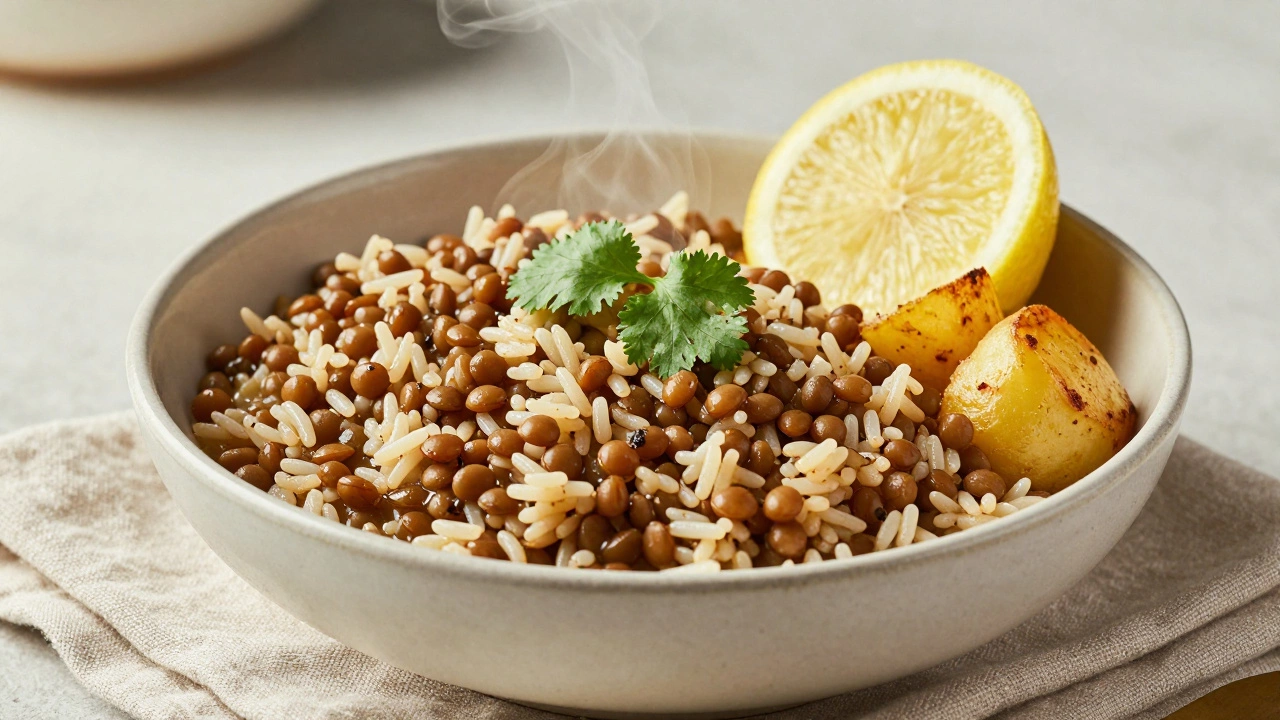
- Lentils: Dried red lentils are gold. They cook in twenty minutes without pre-soaking. They turn into a thick curry base that stretches meat substitutes or vegetables further than any other bean.
These three ingredients form the backbone of almost every large-scale meal program globally. Why? Because they are shelf-stable, non-perishable, and universally accepted. When you combine them, you create a complete protein profile without spending a penny on expensive animal products.
Dried vs. Canned: The Storage Battle
If you run a charity kitchen, space is usually at a premium. You cannot afford to store heavy cans of soup that take up room and weigh down your transport van. Dried goods win this battle hands down.
Dried beans, lentils, chickpeas, and split peas last for years if kept dry. They are lightweight and compact. Yes, they require water and fuel to cook. But in most urban settings, water is free and gas/electricity is cheaper than the markup on canned goods. Plus, cooking dried beans allows you to control the salt and texture. Canned beans often come with a brine that makes soups watery unless you rinse them thoroughly, which wastes product.
However, canned tomatoes are a different story. Fresh tomatoes rot. Dried tomato powder tastes artificial. Canned whole peeled tomatoes offer the best balance of price, shelf life, and flavor depth. They break down easily into sauces, providing the liquid base for stews that would otherwise require expensive stock cubes.
| Ingredient | Avg Cost (per kg) | Shelf Life | Prep Time | Best Use Case |
|---|---|---|---|---|
| Dried Lentils | £1.50 | 3+ Years | 20 mins | Quick curries, soups |
| Dried Beans | £1.20 | 2+ Years | Overnight soak + 1 hr | Chilis, stews, salads |
| White Rice | £0.80 | Indefinite | 15-20 mins | Side dish, pilafs |
| Potatoes | £0.60 | 2-4 Months | 20-30 mins | Mash, roast, boil |
| Canned Tomatoes | £0.90 (400g) | 2+ Years | None | Sauce base, soups |
The Flavor Problem: How to Make Cheap Food Taste Good
Here is the hard truth: plain rice and beans are boring. People will eat them once out of necessity. They won't line up for it twice. The difference between a handout and a meal is seasoning. Fortunately, flavor does not have to be expensive.
Oil is your first investment. A large drum of vegetable oil costs pennies per liter. Fat carries flavor and adds crucial calories. Without fat, food feels dry and unsatisfying. Use it generously in sautéing onions and garlic.
Onions and garlic are the second layer. Buy them in mesh bags of five kilograms. They are dirt cheap and provide the aromatic foundation for almost every savory dish. Sauté them slowly until golden. This simple step transforms bland lentils into something rich and complex.
Spices are the third layer. Do not buy small jars from the supermarket aisle. Go to wholesale markets or ethnic grocery stores where spices are sold by weight. Cumin, coriander, turmeric, and paprika are inexpensive in bulk. A teaspoon of cumin powder costs less than a penny but changes the entire character of a dish. It signals warmth and care.
Don't forget acid. A squeeze of lemon juice or a splash of vinegar at the end of cooking brightens up heavy stews. Lemons are seasonal, so buy them when they are cheap and freeze the juice in ice cube trays. Vinegar is cheap year-round. Both cut through the heaviness of beans and rice, making the meal feel lighter and more appetizing.
Vegetables: The Hidden Cost Traps
Fresh vegetables are tricky. They spoil. They bruise. They waste money if you don't use them quickly. However, they are essential for vitamins and color. The key is choosing the right ones.
Carrots, cabbage, and kale are your friends. Carrots last for weeks in a cool place. Cabbage is virtually indestructible and provides crunch and volume. Kale is surprisingly hardy and packed with nutrients. These vegetables hold up well in long-simmered stews.
Avoid delicate greens like spinach or lettuce for large batches. They wilt instantly and lose their nutritional value during prolonged cooking. If you want leafy greens, go for frozen chopped spinach or collard greens. Frozen veggies are picked at peak ripeness and flash-frozen, retaining more nutrients than "fresh" produce that has sat in transit for days. They also eliminate prep time-no washing, no chopping.
Consider root vegetables as your primary veggie source. Parsnips, swedes, and turnips are cheap, earthy, and sweeten naturally when cooked. They add body to soups and stews, reducing the need for thickeners like flour or cornstarch.
Protein on a Budget: Beyond Meat
Meat is the most expensive part of any meal. Even chicken thighs, often cited as the cheapest meat, fluctuate wildly in price. For large groups, relying on meat is financially unsustainable. Plant-based proteins are not just an ethical choice; they are an economic necessity.
Lentils and beans provide complete amino acids when paired with grains like rice or bread. You do not need to worry about combining them in the same meal for biological completeness, as long as your diet includes both over the course of a day. But practically speaking, serving rice and beans together ensures everyone gets a balanced plate.
Eggs are another wildcard. When prices are low, eggs are incredibly cheap and versatile. Scrambled eggs with toast are a classic comfort food. Hard-boiled eggs can be chopped into salads or added to grain bowls. However, egg prices are volatile. Have a backup plan involving tofu or tempeh if egg costs spike. Tofu absorbs marinades well and can mimic the texture of ground meat in stir-fries or bolognese-style sauces.
Don't overlook dairy if your audience tolerates it. Plain yogurt mixed with honey or fruit is a cheap dessert. Cheese rinds saved from restaurants can be simmered in soups to add umami depth without buying expensive Parmesan blocks.
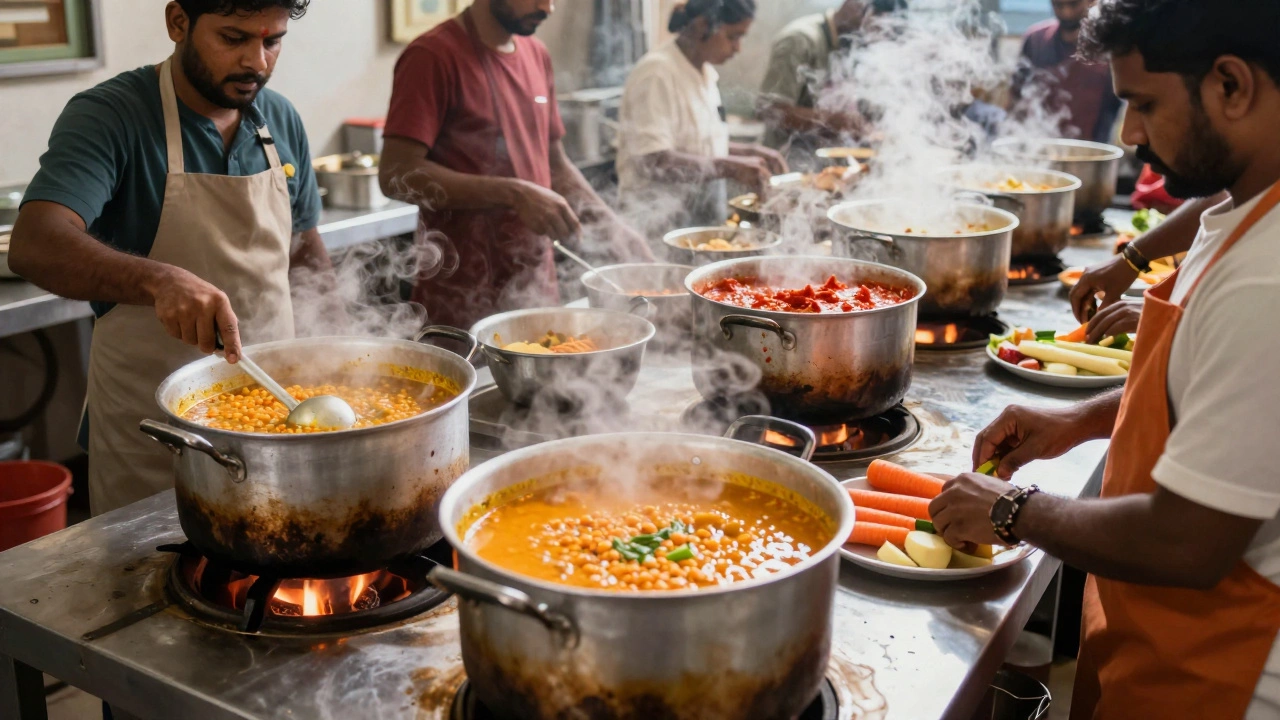
Logistics: Cooking for Hundreds
Buying the right ingredients is only half the battle. Cooking them efficiently is the other half. When you scale up, home cooking rules no longer apply.
Invest in large stock pots. Aluminum conducts heat evenly and is lightweight. Stainless steel is durable but heavier. Avoid non-stick coatings for large batches; they degrade quickly under high heat and constant stirring. Learn to deglaze pans with water or broth to capture those flavorful browned bits (fond) at the bottom. This is free flavor.
Batch cooking is essential. Cook once, serve thrice. A giant pot of lentil stew can be served hot on Monday, cooled and eaten cold as a salad on Tuesday, and reheated with extra rice on Wednesday. This reduces waste and labor hours.
Volunteer management is critical. Train volunteers on basic knife skills and safety. A consistent chop size ensures even cooking. Unevenly cut potatoes mean some are mushy while others are raw. Standardize recipes. Write them down. Test them. If a recipe works, stick to it. Deviation causes errors and waste.
Community Engagement: More Than Just Food
Feeding people is about dignity. Presentation matters. Serve food in warm bowls. Offer condiments. Let people choose their portion sizes. Small touches like a sprig of parsley or a wedge of lemon make a huge psychological difference. It signals respect.
Engage your community in the process. Host cooking workshops where volunteers learn to prepare these cheap ingredients deliciously. Share the knowledge. Empower people to cook these meals at home. This builds skills and reduces dependency.
Partner with local farmers' markets for end-of-day donations. Often, produce that is slightly bruised or imperfect is discarded. This is perfect for soups and stews where appearance doesn't matter. Build relationships with shop managers. Consistency builds trust.
What is the absolute cheapest food to buy in bulk?
Rice and dried lentils are typically the cheapest options per calorie. White rice often costs under £1 per kilogram, while red lentils are similarly priced. They are shelf-stable, require minimal preparation, and provide high energy density.
How can I make cheap food taste better without spending more?
Focus on aromatics and technique. Sauté onions and garlic slowly in oil until golden. Use bulk spices like cumin and paprika. Add a splash of vinegar or lemon juice at the end to brighten flavors. These steps cost very little but dramatically improve taste.
Are frozen vegetables better than fresh for large groups?
Yes, often. Frozen vegetables are picked at peak ripeness and retain nutrients. They require no washing or chopping, saving labor time. They also do not spoil quickly, reducing waste. Ideal for soups, stews, and side dishes.
Can I rely solely on plant-based proteins for large meals?
Absolutely. Lentils, beans, and chickpeas provide complete proteins when combined with grains like rice. They are significantly cheaper than meat and have longer shelf lives. This approach is sustainable and nutritious for regular community feeding.
How do I store bulk dry goods safely?
Store in airtight containers in a cool, dry place. Use glass jars or plastic bins with tight seals to prevent pests. Keep away from direct sunlight. Rotate stock using the "first in, first out" method to ensure older items are used first.