
Thousands of people sleep in their cars every night-not by choice, but because they have no other option. Whether you’re between homes, working multiple jobs just to stay afloat, or fleeing an unsafe situation, finding a safe, legal place to rest can feel impossible. The truth? Not all parking lots are equal. Some are dangerous. Others will call the police. A few are actually designed for this kind of rest. Knowing where to go can mean the difference between a night of safety and a night of fear.
Rest Areas Are Your Best Bet
In the U.S., rest areas along interstate highways are often the most reliable option. These are state-run, publicly funded, and meant for drivers to take breaks. Many allow overnight parking, and as long as you’re not camping or setting up chairs and tents, you’re usually fine. States like California, Oregon, and Washington have clear policies that permit overnight stays in vehicles. Even in states with stricter rules, enforcement is often lax unless you’re causing a disturbance.
Here’s what works: pull into a well-lit rest area, lock your doors, crack a window for air, and keep your car clean. No food wrappers, no open containers. The less you look like you’re living there, the less attention you’ll draw. Use apps like iOverlander or FreeCampsites.net to find rest areas with good reviews from others who’ve slept there.
24-Hour Walmart Parking Lots
Walmart has become an unofficial haven for people sleeping in their vehicles. The company doesn’t have a national policy, but most store managers turn a blind eye-as long as you’re quiet, respectful, and don’t overstay. Many truckers and travelers rely on Walmart for overnight parking, and that culture has extended to others in need.
Go to a Walmart in a busy area, not a remote one. Pick a spot near the entrance, where staff can see you. Don’t plug in extension cords or leave lights on all night. If a manager asks you to leave, don’t argue. Just pack up and go. The next store over might be more welcoming. Some communities even have informal networks where people text each other: "Walmart on 5th is good tonight."
24-Hour Casinos and Truck Stops
Large casinos, especially in Nevada and parts of the Midwest, often allow overnight parking. Why? Because they want drivers to come in, spend money, and maybe stay for a meal or a slot machine. The parking lots are well-lit, monitored by security cameras, and often have clean bathrooms. Truck stops like Pilot, Love’s, and TA offer similar benefits: showers, restrooms, coffee, and 24-hour security.
Don’t expect luxury. But you’ll get safety. And sometimes, a hot meal if you buy a coffee. Some truck stops even have programs for people in need-ask the clerk if they know of any local resources. Many do.
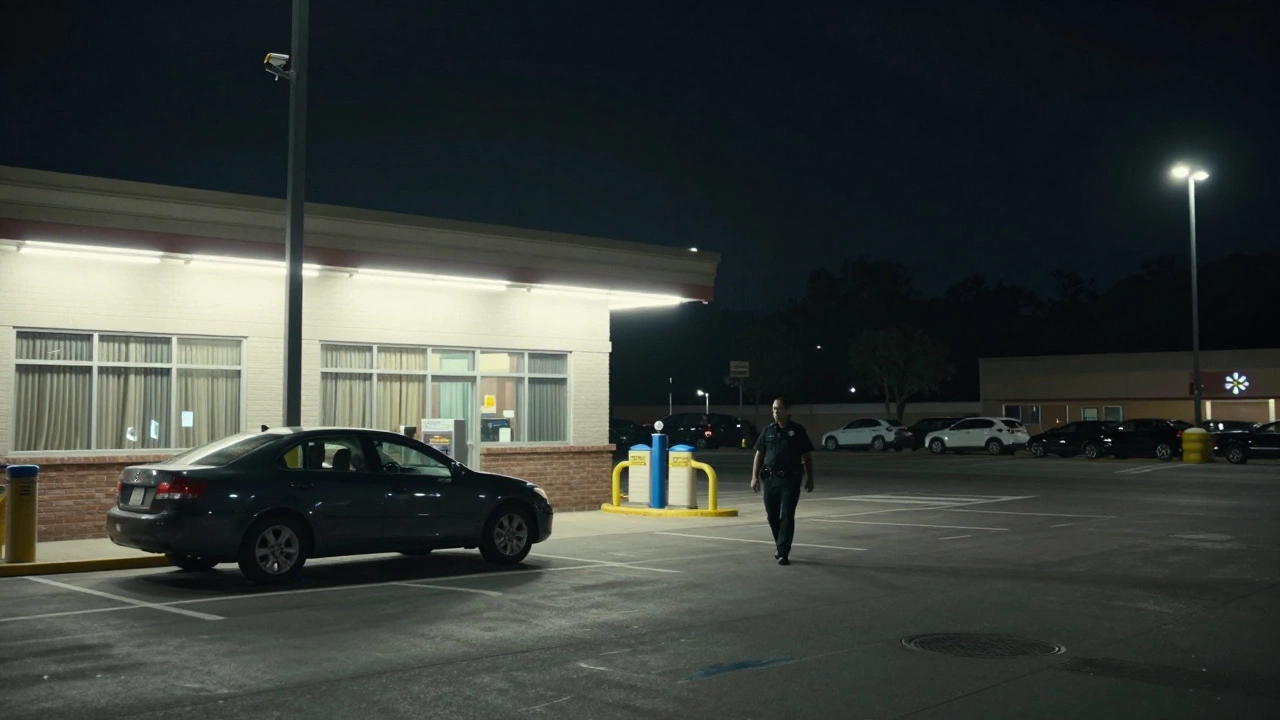
What to Avoid
Not all parking lots are safe. Avoid:
- Residential neighborhoods-people call police if strangers park overnight.
- Dark, isolated gas stations-these are common targets for crime.
- Shopping malls after closing-they’re often patrolled and have strict no-overnight rules.
- Public parks with no overnight signs-many cities ban sleeping in vehicles there.
Always check local ordinances. A city might allow overnight parking in public lots but ban it on private property. A quick Google search-"[city name] sleeping in car laws"-can save you a ticket or worse.
How to Stay Safe and Comfortable
It’s not just about where you park. It’s how you prepare.
- Keep your gas tank at least half full. You never know when you’ll need to move.
- Use a blackout curtain or tinted window film. No one should see inside.
- Keep a change of clothes, water, and non-perishable snacks in the car.
- Charge your phone and keep it on silent. Use airplane mode to save battery.
- Don’t leave valuables visible. Even a phone charger can attract attention.
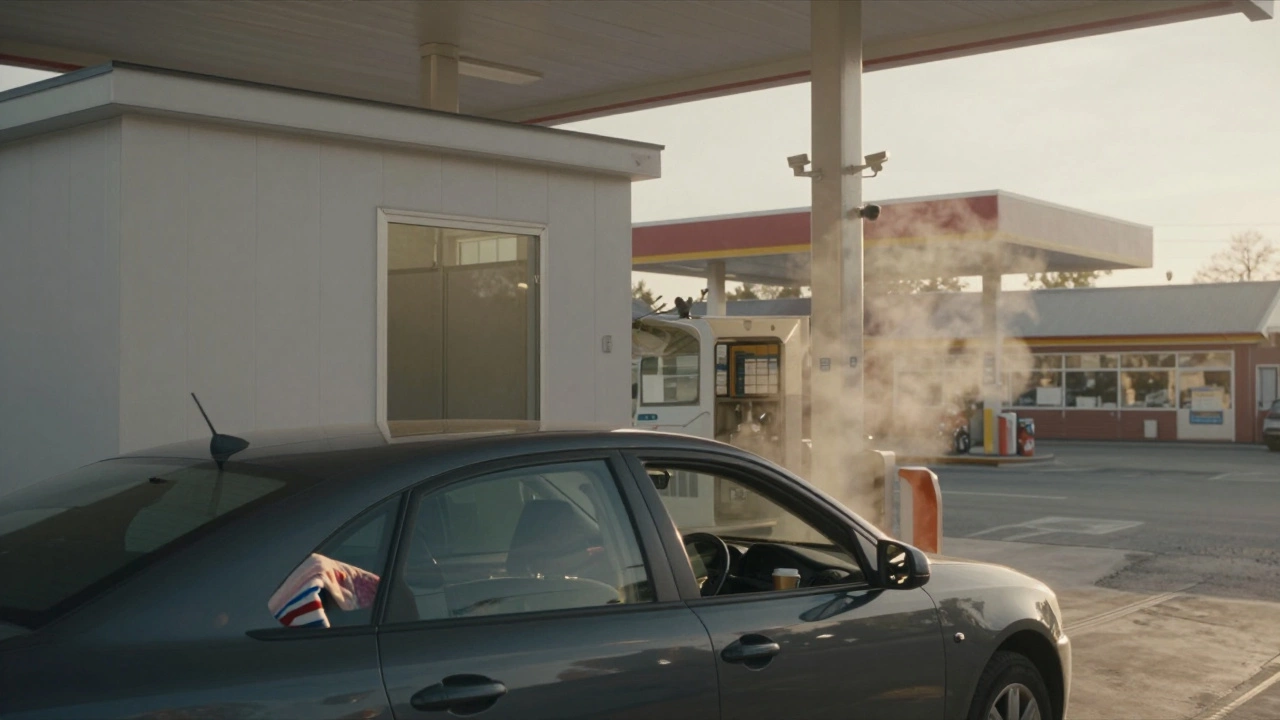
Temperature matters too. In winter, use a thermal blanket and wear layers. In summer, park in the shade and crack a window just enough for airflow. A small portable fan can make a huge difference.
Local Resources Are Out There
Sleeping in your car isn’t the end. It’s a stopgap. Many cities have programs to help people transition out of this situation. Homeless shelters, transitional housing, and even faith-based groups often have waiting lists or emergency beds. Call 211-a free, nationwide helpline that connects people to local services. They can tell you about:
- Shelters with overnight capacity
- Day centers that offer showers and mail services
- Transportation to job interviews or housing applications
- Food programs that deliver meals to car sleepers
Some organizations even provide free car sleeping kits: a mattress pad, pillow, privacy screen, and hygiene supplies. You don’t have to be homeless to qualify. If you’re struggling to pay rent, you’re eligible.
It’s Not Just About Shelter
People who sleep in their cars aren’t lazy. They’re working. They’re caring for kids. They’re trying to stay healthy while living on the edge. The system doesn’t always work, but that doesn’t mean there’s no hope. The best place to sleep in your car isn’t just the safest spot-it’s the one that gets you closer to a real home. Use your time there to reach out. Call 211. Talk to a church worker. Ask at the library. Someone will help. You just have to ask.
Is it legal to sleep in your car overnight?
It depends on where you are. Many cities ban sleeping in vehicles in public spaces, but enforcement varies. Rest areas, 24-hour businesses, and truck stops are often tolerated. Always check local laws before settling in. Some places have specific ordinances that allow overnight parking if you’re not camping or using external equipment.
Can I get in trouble for sleeping in my car at Walmart?
Walmart doesn’t have a national policy, but most stores allow it as long as you’re respectful. Store managers can ask you to leave at any time. If you’re quiet, don’t set up camp, and don’t overstay, you’re unlikely to have issues. Some managers even know people in need and quietly allow it. But never assume it’s guaranteed.
What should I do if I’m scared to sleep in my car?
Call 211. They connect people with local shelters, transitional housing, and crisis services-even if you’re not officially homeless. Many organizations offer emergency assistance for people living in vehicles. You can also reach out to local churches, food banks, or community centers. They often have contacts for safe places to stay or resources to help you get off the streets.
Are there free resources for people sleeping in their cars?
Yes. Many nonprofits, churches, and city programs offer hygiene kits, food, and even free car sleeping supplies like mattresses and curtains. Some libraries let you shower or charge devices. Call 211 or visit your local social services office. You don’t need to be homeless to qualify-many programs help people who are just one paycheck away from losing their home.
How do I find safe parking spots near me?
Use apps like iOverlander, FreeCampsites.net, or even Reddit communities like r/CamperLife or r/NoHome. These platforms are run by people who’ve been there. They share real-time updates on which lots are safe, which cops patrol, and where to find clean restrooms. You can also ask at truck stops or gas stations-they often know the best spots.