
Dignified Donation Planner
Build a balanced, ready-to-eat meal kit that respects dietary needs and maximizes impact per dollar.
Why these items?
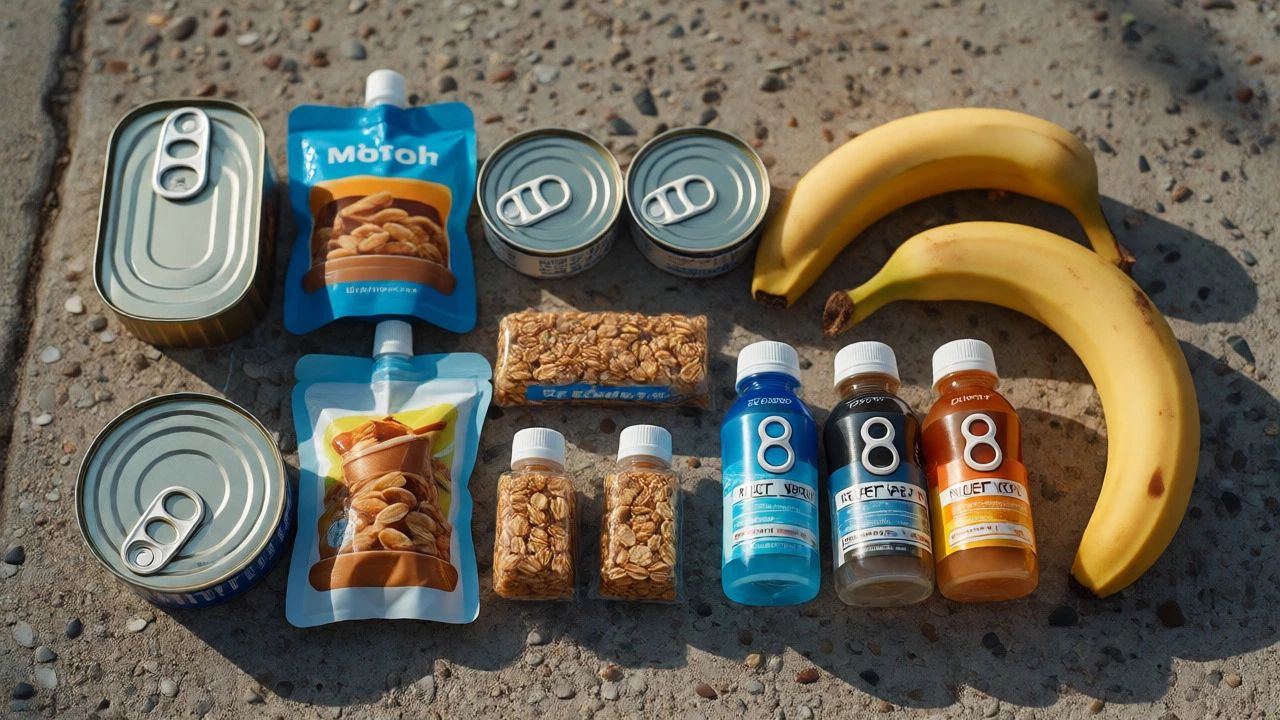
- Hydration First: Water is critical but often overlooked in donations.
- Protein Focus: Jerky or nut butter provides sustained energy without cooking.
- No Prep Needed: All selected items are shelf-stable and require no utensils or heating.
- Dignity Check: Includes hygiene wipes where possible, acknowledging non-food needs.
You’re walking down the street, you see someone in need, and you want to help. You stop at a convenience store or grab something from your pantry. But what do you actually give? It’s not just about calories; it’s about dignity, nutrition, and practicality. Giving a bag of chips feels nice in the moment, but does it really help someone survive the night?
The best food for homeless individuals combines high nutritional value with portability and ease of consumption without cooking facilities. Most people experiencing homelessness lack access to refrigeration, stoves, or even clean water. They also face strict rules in shelters regarding outside food. So, the ideal donation isn’t just tasty-it’s shelf-stable, nutrient-dense, and ready-to-eat.
Why Nutritional Value Matters More Than Volume
When you hand out food, you are often the only reliable source of calories that person has had all day. If you give them soda and candy, they get a sugar spike followed by a crash. This leaves them hungry again within an hour and can worsen health issues like diabetes, which is prevalent among the unhoused population due to limited dietary choices.
Instead, aim for protein and healthy fats. These keep energy levels stable. Think peanut butter packets, canned tuna, or nuts. These items don’t require heating and provide sustained energy. The United States Department of Agriculture (USDA) recommends balanced intake of proteins, grains, and fruits for adults, but for someone on the street, "balanced" means getting those nutrients in forms they can actually eat.
Hydration is equally critical. Many shelters restrict water bottles because of litter concerns or storage limits, but carrying a sealed bottle of water is one of the most impactful things you can do. Dehydration exacerbates mental fatigue and physical weakness. Always pair solid food with a drink if possible.
The No-Cook Rule: Why Preparation Barriers Exist
Here is a hard truth: most homeless individuals cannot cook. Even if they have access to a shelter kitchen, they might not be allowed to use it, or they might be away during meal times. Some live in parks where open flames are prohibited. Others sleep rough under bridges where no utilities exist.
This constraint eliminates many well-intentioned gifts. Fresh fruit like apples is great, but bruised apples rot quickly. Bread gets stale. Cooked meals from restaurants are wonderful but must be eaten immediately or they become unsafe. If you bring a hot meal, ensure it is in insulated packaging and consumed within two hours.
For long-term viability, stick to items that require zero preparation. No peeling, no cutting, no heating. The goal is to remove friction. If opening a package requires scissors or strength they don’t have, the food goes uneaten. Pull-tab cans are superior to cans requiring a manual opener. Individual snack packs are better than bulk bags that spill when dropped.
Top Tier Donations: What Actually Gets Eaten
Not all donations are created equal. Some items sit in pantries for months because nobody wants them. Here is what works, based on feedback from shelter coordinators and outreach workers who interact with this demographic daily.
| Food Category | Specific Examples | Why It Works | Potential Pitfall |
|---|---|---|---|
| Protein Packs | Jerky, nut butter pouches, canned chicken/tuna | High satiety, no prep needed, compact | Some jerky is too tough for those with dental issues |
| Complex Carbs | Granola bars, whole grain crackers, oatmeal cups | Long-lasting energy, shelf-stable | Avoid overly sugary "health" bars |
| Fresh Produce | Bananas, oranges, apples (pre-washed) | Vitamins, hydration, easy to peel/eat | Rapid spoilage; avoid soft fruits like berries |
| Hydration | Bottled water, electrolyte drinks | Critical for health, universally accepted | Heavy to carry; choose small sizes |
| Comfort Foods | Instant coffee/tea sachets, hot chocolate mix | Mental comfort, warmth if hot water available | Useless without access to hot water |
Nut butters are arguably the MVP of homeless aid. A single packet of peanut butter provides protein, fat, and calories in a mess-free format. Pair it with a banana, and you have a complete, nutritious meal that costs less than $1.50. Canned beans are another powerhouse, but ensure they come with pull-tabs. Beans require chewing effort, so consider softer options like refried beans in squeeze tubes if dental health is a concern.
Dietary Restrictions and Cultural Sensitivity
Homelessness is not a monolith. People experiencing it have diverse backgrounds, religious beliefs, and medical conditions. Ignoring these factors can make your gift useless or offensive.
Halal and Kosher requirements are common. Pork products are strictly forbidden for many Muslims and Jews. While pork might be cheap and abundant, it excludes a significant portion of the community. Stick to beef, chicken, fish, or plant-based proteins to be safe. Vegetarianism is also rising, often driven by ethical or economic reasons. Including meat-free options ensures inclusivity.
Medical restrictions matter too. Diabetes is rampant among the unhoused due to stress and poor diet history. Avoid handing out high-sugar sodas or candy bars as primary sustenance. Lactose intolerance affects a large percentage of the global population. Dairy milk spoils quickly and causes digestive distress for many. Opt for almond milk cartons or soy alternatives if you want to include dairy-like comforts.
What to Avoid: Common Donation Mistakes
We’ve all seen the pile-up of unwanted items at food banks. Here is what usually ends up in the trash or sits gathering dust:
- Expired Goods: Check dates meticulously. An expired can of soup is a liability, not a gift.
- Glass Jars: Heavy, breakable, and difficult to transport in pockets or backpacks.
- Large Bulk Bags: Chips or rice in 5lb bags are impractical for someone sleeping rough. They attract pests and are hard to store.
- Alcohol: While some shelters allow beer, alcohol is often restricted due to addiction recovery policies. It can also dehydrate the user.
- Leftover Restaurant Meals: Unless delivered immediately, hygiene standards vary, and reheating is rarely an option.
Another frequent error is giving food that requires utensils. Plastic forks melt, paper plates dissolve, and knives are dangerous to carry. Finger foods are king. Wraps, sandwiches, burritos, and fruit are designed to be eaten with hands. If you buy a pre-made sandwich, check the expiration date carefully-mayonnaise-based fillings spoil fast in summer heat.

Supporting Beyond the Plate: How to Engage Respectfully
Food is a bridge, not just a transaction. When you offer food, you are offering connection. Many people experiencing homelessness report feeling invisible. Stopping to ask, "Would you like some lunch?" rather than dropping food on the ground restores agency.
Consider the timing. Morning is often best for breakfast items like bagels or pastries, while evening suits dinner options. However, consistency matters more than timing. If you can commit to weekly drops, local outreach teams will know to expect you. Random acts are kind, but predictable support builds trust.
If you are donating to an organization instead of directly to individuals, call ahead. Ask what they currently need. Sometimes they have plenty of pasta but run low on fresh produce or hygiene kits. Supporting food banks community organizations that distribute groceries to families and individuals facing hunger allows for scalable impact, whereas direct gifting offers immediate personal interaction.
Practical Checklist for Your Next Donation Run
Before you head to the store, print this list. It covers the essentials for a dignified, nutritious contribution.
- Water: Two sealed bottles per person.
- Protein: One nut butter packet or canned meat/fish.
- Carb: One granola bar, banana, or packaged bread roll.
- Hygiene Bonus: A travel pack of wet wipes or tissues.
- Check Expiry: Ensure everything is good for at least 3 months.
This combination costs roughly $3-$5 and provides a complete mini-meal plus hydration. It respects the recipient’s ability to eat anywhere, anytime, without tools.
Is it okay to give homemade food?
Generally, no. Most shelters and outreach programs cannot accept homemade food due to liability and safety regulations. For individual gifting, it is acceptable if the food is fully cooked, properly stored, and offered with transparency about ingredients. However, commercially packaged food is safer and easier for the recipient to store and consume later.
Should I give money or food?
Both have merit. Money gives autonomy, allowing the person to buy what they specifically need, whether that is food, medicine, or transportation. Food guarantees they receive nutrition. A hybrid approach-offering a choice between a meal voucher and cash-is often appreciated. If you choose food, ensure it aligns with the nutritional guidelines above.
What about pets?
Many people experiencing homelessness have dogs or cats that serve as companions and protection. Pet food is a highly valued donation. Small, single-serving cans of wet dog or cat food are portable and nutritious. Do not assume they are feeding their pets table scraps; proper pet nutrition helps maintain animal health, which reduces veterinary costs for the owner.
Are energy drinks good donations?
Energy drinks are popular but problematic. They contain high caffeine and sugar, which can lead to dehydration and jitteriness. While they provide a temporary boost, they are not nutritious. Use them sparingly as a treat rather than a staple. Water or electrolyte solutions are far healthier alternatives for sustaining energy throughout the day.
How do I handle allergies?
If you are buying packaged goods, check labels for common allergens like peanuts, tree nuts, dairy, and gluten. If you are unsure of the recipient's allergies, opt for allergy-friendly options such as sunflower seed butter instead of peanut butter, or gluten-free crackers. When in doubt, simple whole foods like bananas or bottled water are the safest bets.