
Most after-school clubs fade out by November. Kids sign up excited, show up the first week, then slowly disappear. Why? Because they’re just another option on the schedule - same old games, same tired activities, no real reason to come back. Making a club stand out isn’t about fancy equipment or big budgets. It’s about creating something that feels irreplaceable to the kids who join.
Start with what they actually care about
Don’t assume you know what teens want. Ask them. Seriously. Hand out a one-question survey: "What would make you look forward to staying after school?" Not multiple choice. Open-ended. You’ll get answers like: "Something that doesn’t feel like school," "A place where no one judges me," or "A chance to make something real." One club in Bristol started with this question and learned that most kids didn’t want more art or sports. They wanted to build things - real things. So they turned a storage closet into a makerspace. No fancy 3D printers. Just cardboard, glue guns, old electronics from the school’s donation bin, and a few hours a week to tinker. Within a month, students were designing phone stands, fixing broken headphones, and even building a mini wind turbine from soda bottles. They didn’t just show up - they showed off.Give them ownership, not just participation
Too many clubs run like classrooms with extra snacks. The adult leads, the kids follow. That’s not engagement. That’s compliance. A club that stands out lets students run it. Let them pick the theme. Let them plan the meetings. Let them invite guests. One high school in Bristol had a film club that was dying. The teacher gave the students full control. They renamed it "Screen & Speak," chose their own films (including TikTok shorts and local documentaries), and started hosting monthly screenings in the school auditorium. They even sold tickets for £1 - money went to a local youth mental health charity. Attendance jumped from 8 to 42 kids. Why? Because they weren’t just watching movies. They were curators.Connect to something bigger than the school
Kids can tell when something is just for show. If your club feels like a box to tick, they’ll walk away. But if it ties into their world - their community, their future, their identity - they’ll fight to keep it alive. A group of girls started a "Girls Who Code" club, but instead of just learning Python, they built an app to help local seniors find bus routes. They partnered with a retired teacher who taught them how to interview elderly residents. The app launched on the local council’s website. Suddenly, these teens weren’t just club members. They were problem-solvers. Their names were on a real tool used by hundreds of people. That’s the kind of pride that keeps kids coming back.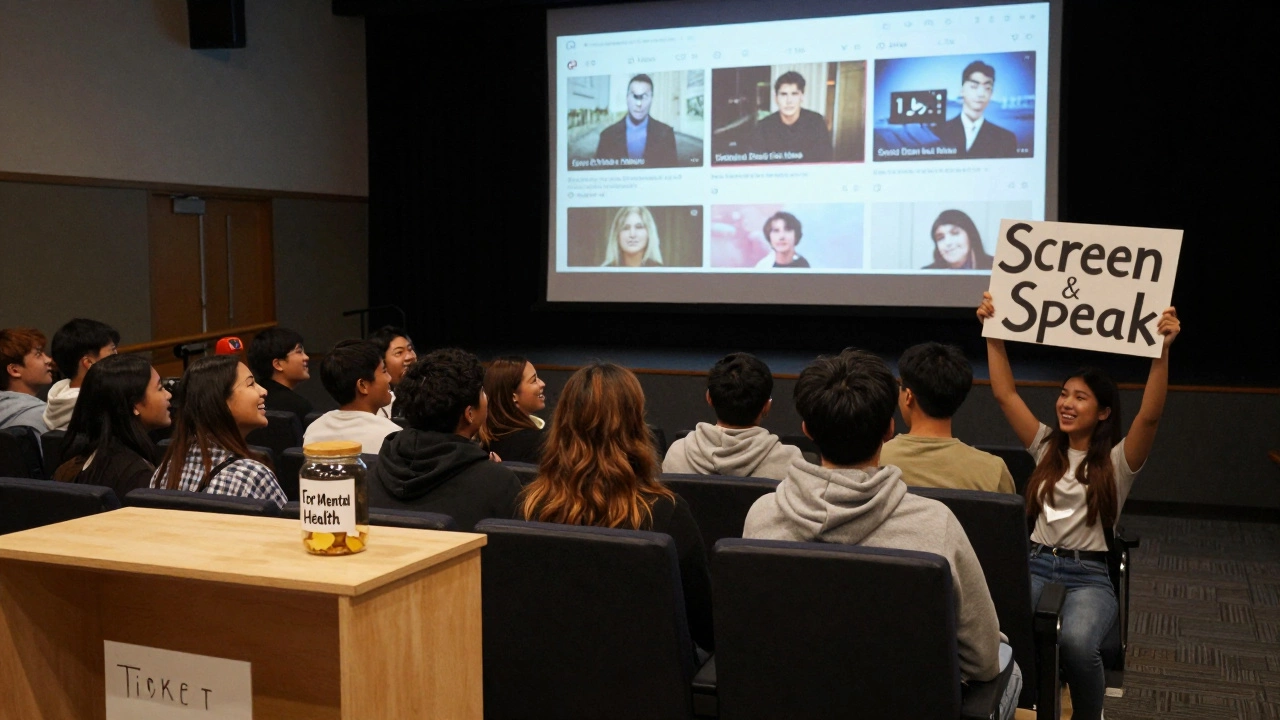
Make it messy, not perfect
Schools love polished outcomes. Clubs are often judged by how clean the final project looks. But real learning happens in the mess. The failed prototypes. The arguments over ideas. The time someone spilled glue everywhere. One club in Bristol let students design their own board games. No rules. No rubrics. Just materials and time. Some games were chaotic. One had no winners, just "co-op survival." Another had rules written in crayon on napkins. But kids came back every week to tweak, argue, and improve. The teacher didn’t grade them. She just asked: "What did you learn this week?" That’s all it took. The club grew from 5 to 27 members in three months.Build rituals, not just activities
Rituals stick. Activities fade. What’s the difference? Rituals have meaning. They’re repeated. They’re shared. They become part of the club’s identity. At one club, every meeting ended with "Wins & Wobbles." Each student shared one thing they were proud of and one thing that didn’t go right. No judgment. Just honesty. Over time, it became the most anticipated part of the session. Kids started showing up early just to hear what others had to say. It wasn’t about fixing problems. It was about being seen. Another club had a "Wall of Weird." Every week, someone could pin up something strange they made - a sock puppet of the principal, a sculpture made of old keys, a poem about cafeteria food. No theme. No filter. Just expression. Parents started asking to see it. The school newsletter featured it. The wall became the club’s logo.Let them bring their whole selves
Too many clubs expect kids to leave their identity at the door. They want the "good student." The quiet one. The obedient one. But the clubs that thrive are the ones that welcome the loud, the weird, the anxious, the sarcastic, the shy, the tired, the angry. One club started letting kids bring their own music to play during work time. One boy brought hip-hop. Another brought classical piano. A girl brought her ukulele and taught others chords. Suddenly, the room wasn’t just a room. It was a stage, a studio, a sanctuary. You don’t need to understand their interests. You just need to make space for them.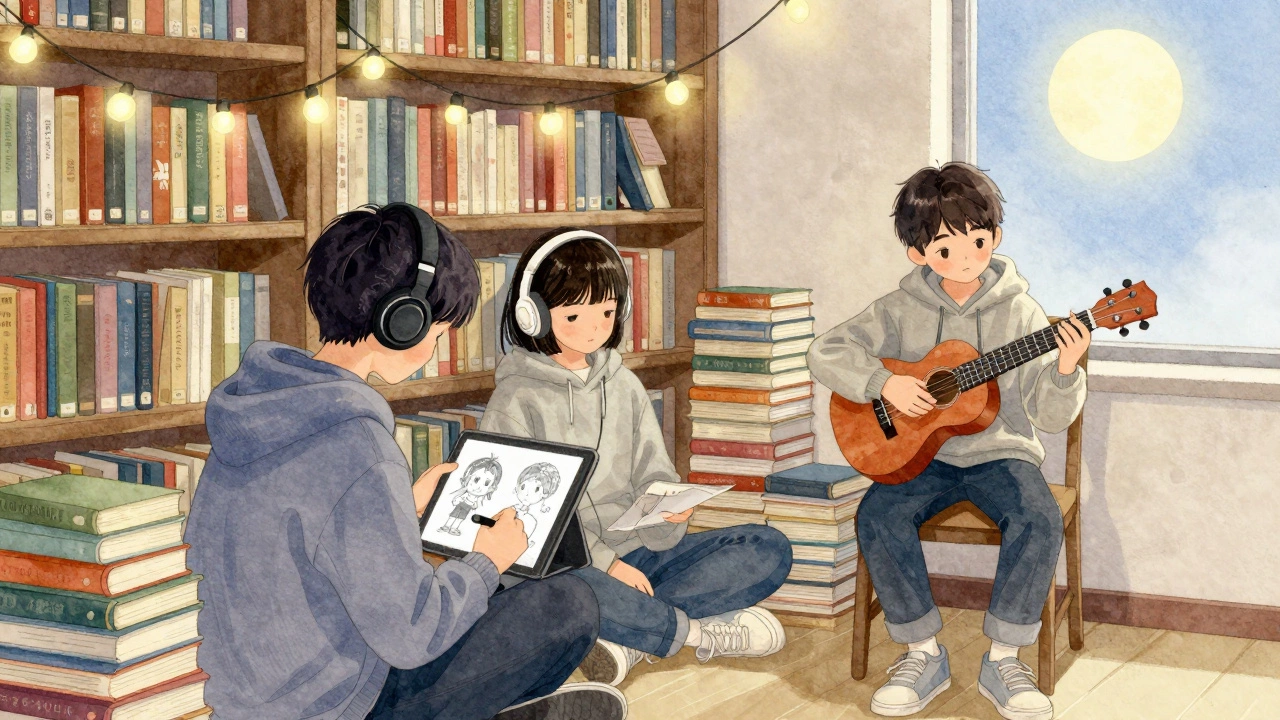
Track what matters - not what’s easy to measure
Don’t count attendance. Don’t count projects. Count connection. Ask yourself: Did a kid come back because they were forced? Or because they missed the room when they were gone? Did someone say, "I didn’t want to come today, but I needed to see them"? That’s the real metric. One teacher kept a simple notebook. Every Friday, she wrote down one thing a student said that showed they felt safe or seen. Things like: "I told Sam I was scared about my dad losing his job. He didn’t say anything. Just handed me a snack." That notebook became the club’s heartbeat. When funding was cut, the principal read it. Then he approved more budget. Not because of test scores. Because of trust.It’s not about being the biggest - it’s about being the only one
You don’t need 100 members. You need 12 who show up because they can’t imagine not being there. A club in Bristol started with three kids. They met in the library corner. No teacher. Just a laptop, some headphones, and a shared love of anime. They called it "The Quiet Corner." No one knew about it. No one promoted it. But word spread. By the end of the year, it had 18 regulars. The school didn’t even know it was a club until a parent asked, "Why is my daughter smiling so much after school?" That’s the kind of club that lasts.Start small. Stay real.
You don’t need grants. You don’t need a fancy logo. You don’t need permission. You just need to listen. To show up. To let kids be themselves. To say yes when they ask for something weird. To celebrate the messy, the quiet, the unexpected. The clubs that stand out aren’t the ones with the most resources. They’re the ones that feel like home.What’s the most common mistake when starting an after-school club?
The biggest mistake is assuming you know what kids want. Most clubs fail because they’re built around adult ideas of "educational" or "productive." The most successful clubs start by asking students what they’re passionate about - even if it seems silly or off-brand. A club that lets kids make TikTok videos about science can be just as powerful as one that teaches coding.
How do you keep kids coming back week after week?
You give them a reason that’s bigger than the activity. That could be belonging, purpose, or creative freedom. Kids return when they feel seen, when their voice matters, or when they’ve made something real. Rituals like weekly check-ins, shared meals, or public showcases help build that sense of continuity.
Do I need a big budget to make a club stand out?
No. The most memorable clubs often work with almost nothing. Cardboard, recycled materials, free apps, and community volunteers can do more than expensive gear. What matters is creativity and trust. A club that lets students use old phones to make short films or turn a classroom corner into a poetry lounge doesn’t need funding - it needs space and permission.
How do I get staff or teachers to support the club?
Show them the impact, not the paperwork. Share stories: a kid who came out of their shell, a parent who thanked you, a project that went viral in the local paper. Teachers care about student growth, not club formats. If you can prove the club is changing how students feel about school, they’ll find a way to help - even if it’s just letting you use the room on Tuesdays.
What if no one shows up at first?
That’s normal. Start with three. Make it so good for them that they invite their friends. One student telling another, "You have to come to this thing," is the most powerful marketing tool you’ll ever have. Don’t chase numbers. Chase connection. The rest follows.