
Donation Impact Checker
Not sure if your donation is actually needed? Select the items you are planning to give to see their impact level.
Clothing
Hygiene & Food
Misc & Utility
Key Takeaways for Donors
- New socks and underwear are consistently the most requested and least donated items.
- High-protein, easy-to-open snacks are preferred over bulky canned goods.
- Gift cards for transport and food provide dignity and flexibility.
- Hygiene products, especially feminine care, are critical gaps in most shelters.
- Seasonal timing matters; don't donate winter gear during a heatwave.
The Absolute Most Requested Item: New Socks and Underwear
It sounds boring, but if you ask any shelter manager, Socks is the word you'll hear most. Why? Because they wear out faster than anything else when you're walking miles a day. Wet feet lead to trench foot and severe infections, making dry, clean socks a medical necessity, not just a comfort.
Here is the catch: shelters almost never accept used underwear or socks for hygiene reasons. This creates a massive gap. When people clear out their closets, they donate the clothes they've worn for years, but they rarely buy a fresh 10-pack of Hanes or Fruit of the Loom to give away. If you want to hit the biggest need, buy homeless shelter donations in the form of brand-new, white or black cotton socks in medium and large sizes.
The Hygiene Gap: More Than Just Soap
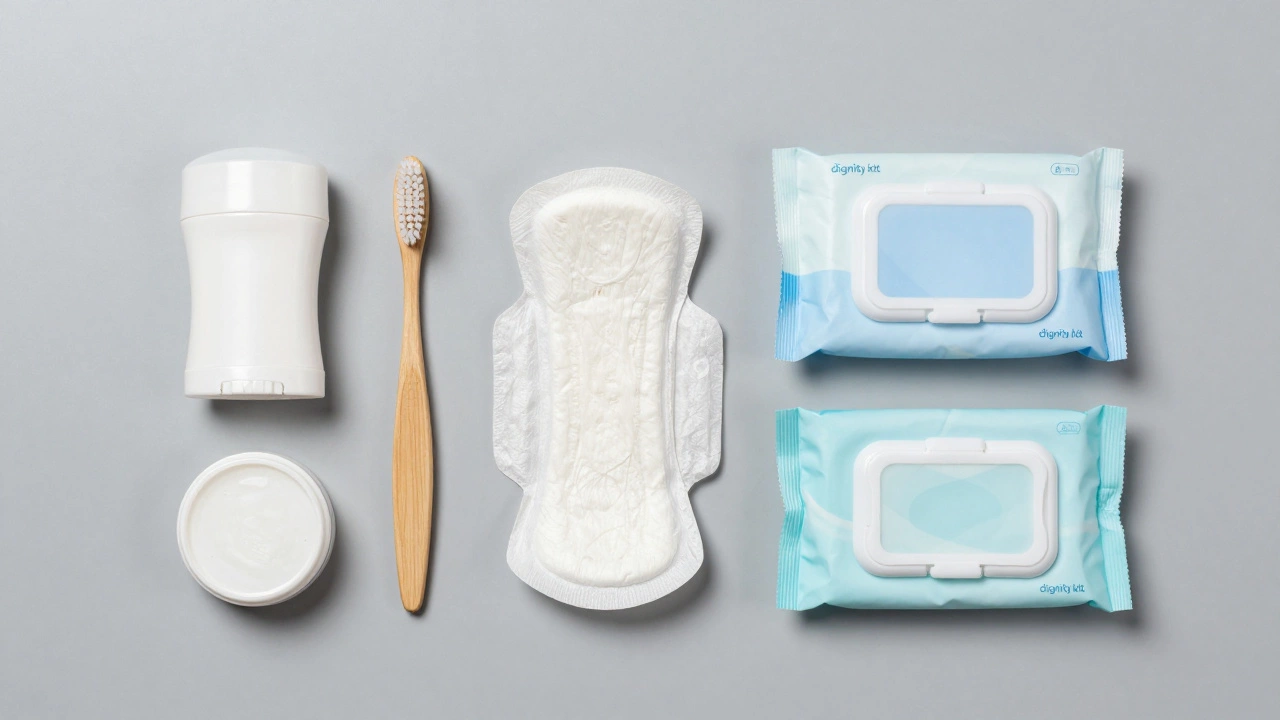
Imagine trying to find a job or go to a government appointment when you haven't showered in a week. Hygiene is about dignity. Hygiene Kits are a staple in most outreach programs, but specific items are always running low. While most people donate basic bar soap, there is a chronic shortage of feminine hygiene products. Pads and tampons are expensive and often overlooked by donors, leaving women in shelters in incredibly difficult positions.
Other high-demand items include:
- Travel-sized deodorants (easier to carry in a backpack).
- Toothbrushes and toothpaste (fluoride-based is preferred).
- Wet wipes (essential for "sponge baths" when showers aren't available).
- Nail clippers and tweezers.
| Item Category | High Demand (Donate These) | Low Demand (Avoid These) | Reason for Gap |
|---|---|---|---|
| Clothing | New socks/underwear | Used oversized t-shirts | Hygiene requirements vs. closet clearing |
| Food | Protein bars, jerky, nuts | Canned corn, heavy soups | Portability and calorie density |
| Hygiene | Menstrual products, wipes | Large bottles of shampoo | Portability and specific gender needs |
| Misc | Gift cards, prepaid phone cards | Old books, DVDs | Immediate utility vs. entertainment |
Food That Actually Fits a Homeless Life
Most people think of Food Banks and imagine mountains of canned beans. While those are great for shelter kitchens, people living on the street need food they can eat without a can opener or a microwave. Soft granola bars, beef jerky, and tuna pouches (the kind that don't require draining) are gold.
Think about the calories. Someone sleeping in the cold burns significantly more energy just to stay warm. High-protein, high-fat snacks keep them full longer and provide the energy needed to navigate the city. Avoid things that melt in the sun-like chocolate-coated bars-or things that are too salty, as clean drinking water isn't always readily available to offset the sodium.
The Power of Gift Cards and Cash Equivalents
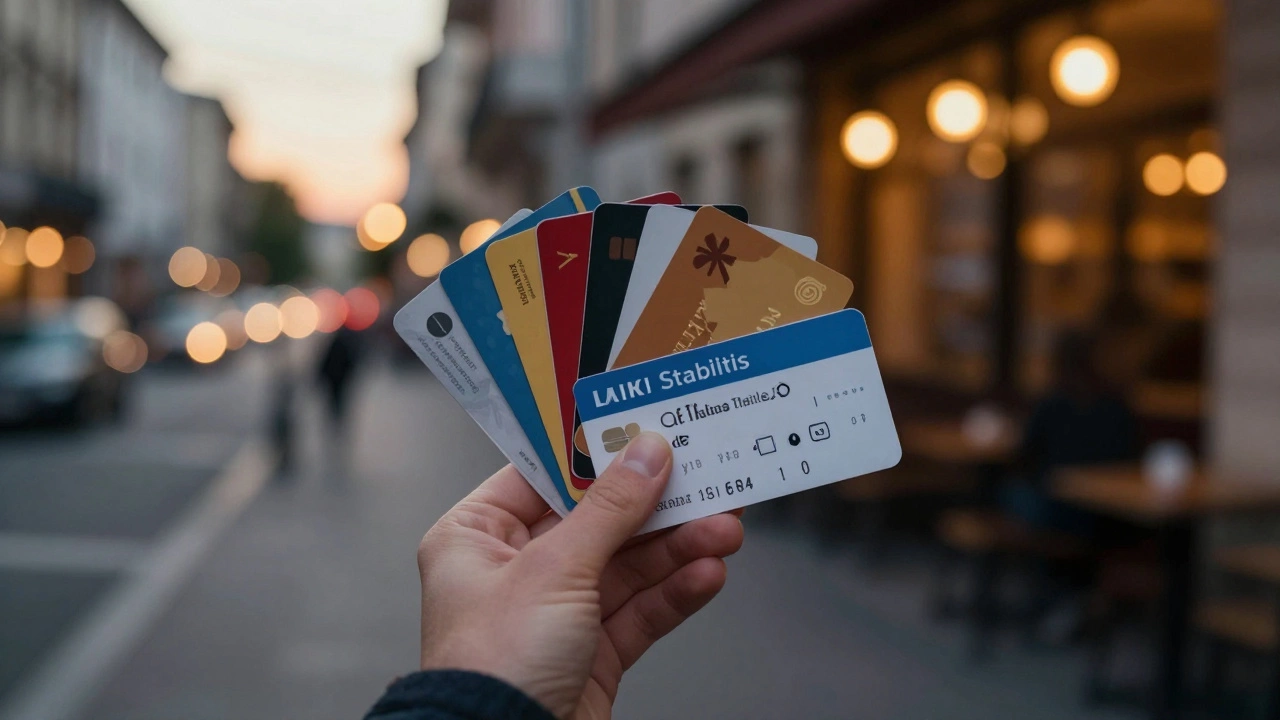
It feels less personal than a physical gift, but Gift Cards are often the most requested item of all. Why? Because they offer autonomy. A $10 card to a local McDonald's or Starbucks isn't just about the food; it's about a warm place to sit for an hour, access to a restroom, and the feeling of being a paying customer rather than a recipient of charity.
Bus passes or transit cards are another game-changer. Many homeless individuals miss out on healthcare or job interviews simply because they can't afford the fare to get across town. When you provide a transit pass, you're providing a bridge to stability. Prepaid phone cards are also vital, as a working phone is the only way for a person to coordinate with a caseworker or an employer.
Seasonal Needs: Timing Your Giving
One of the biggest headaches for shelter staff is the "seasonal dump." In November, shelters are flooded with heavy coats. By February, they have more coats than they have room to store, and they're desperately needing blankets. Then, in June, people donate summer clothes they no longer fit into, while the shelters are struggling to find cooling towels or hats for the summer heat.
If you want to be a pro donor, flip your schedule. Donate winter gear in late summer or early autumn, so the shelter is stocked before the first frost hits. Donate summer essentials in the spring. This prevents the "logistics nightmare" where shelters have to turn away donations because their storage is full of items that aren't currently useful.
Clothing: Quality Over Quantity
We've all been there-cleaning out the closet and thinking, "This sweater is a bit pilled, but it's still warm." If you wouldn't give it to a friend, don't give it to a shelter. Many people donate "trash" under the guise of charity, which then forces the shelter staff to spend hours sorting through junk and paying for landfill disposal.
Focus on sturdy, weather-resistant gear. Instead of five thin hoodies, donate one high-quality Windbreaker or a waterproof jacket. For footwear, sneakers are always needed, but they must be in good condition. A pair of shoes with a hole in the sole is useless to someone walking five miles a day and will just be thrown away.
Are used clothes really helpful?
Yes, but only if they are clean and in good repair. Shelters often struggle with "dumping," where people provide stained or torn clothing. High-quality, gently used items are great, but brand-new essentials like socks and underwear are always prioritized because they cannot be accepted as used.
What is the best way to donate food?
Focus on non-perishable, high-calorie items that don't require a can opener. Tuna pouches, protein bars, dried fruit, and nuts are ideal. Avoid items with high salt content or things that melt easily, as these are impractical for people without reliable refrigeration or water access.
Do homeless people actually want gift cards?
Absolutely. Gift cards for fast food or coffee shops provide more than just a meal; they offer a safe, warm environment and a sense of normalcy. Transit cards are also highly valued as they provide the means to reach employment or medical appointments.
What hygiene items are most overlooked?
Menstrual products (pads and tampons) are consistently the most requested and least donated hygiene items. Other overlooked needs include wet wipes, nail clippers, and travel-sized deodorants.
Should I just give money to people on the street?
That is a personal choice, but if you want to ensure your contribution provides long-term support, donating to a registered shelter or outreach program is often more effective. They can provide case management, housing assistance, and medical care alongside immediate needs like food and clothing.
Next Steps for Your Donations
If you're ready to give, don't just drop a bag on a doorstep. The best thing you can do is call the shelter first and ask, "What do you have too much of, and what are you running out of today?" Needs change weekly. One week they might be desperate for twin-sized sheets; the next, they might have a surplus of blankets but no soap.
For those who want to make a regular habit of giving, consider a "donation bin" in your home. Whenever you buy a pack of socks for yourself, buy a second pack for the shelter. It's a small, sustainable way to ensure you're providing the items that actually matter to the people who need them most.