
Youth Organization Matcher
Find Your Fit
Enter your details to discover which youth organizations align with your personality and goals.
Imagine a teenager who feels stuck. They have energy, ideas, and a desire to make things better, but they don't know where to start. This is the gap that youth organizations fill. These groups are not just clubs; they are launchpads for character, career skills, and social connection. Whether your goal is to learn coding, save the planet, or lead a team, there is an organization designed for you.
The landscape of youth engagement has shifted dramatically in recent years. It’s no longer just about playing sports or attending meetings. Today’s young people seek purpose, mentorship, and tangible impact. Understanding what these organizations do-and which ones align with specific interests-is crucial for parents, educators, and young people themselves. Let’s look at ten accomplished groups that are setting the standard for youth development worldwide.
Understanding the Role of Youth Organizations
Youth organizations are structured groups that provide activities, mentorship, and resources for individuals typically aged 5 to 24. Their primary mission is holistic development: building confidence, teaching teamwork, and fostering civic responsibility. Unlike school curricula, which focus on academic metrics, these groups prioritize soft skills like empathy, resilience, and leadership.
Research consistently shows that active participation in such groups correlates with higher graduation rates, lower risk-taking behaviors, and stronger community ties. The key is finding the right fit. A shy coder might thrive in a tech-focused group, while an extroverted activist might find their home in environmental advocacy. The diversity of options means there is a path for every personality type.
1. Boy Scouts of America (BSA)
One cannot discuss youth groups without mentioning the Boy Scouts of America. Founded in 1910, this is one of the oldest and most recognized organizations globally. While traditionally male-focused, the BSA now welcomes girls as well, expanding its reach significantly. The core activity involves earning merit badges in diverse fields, from woodworking to astronomy.
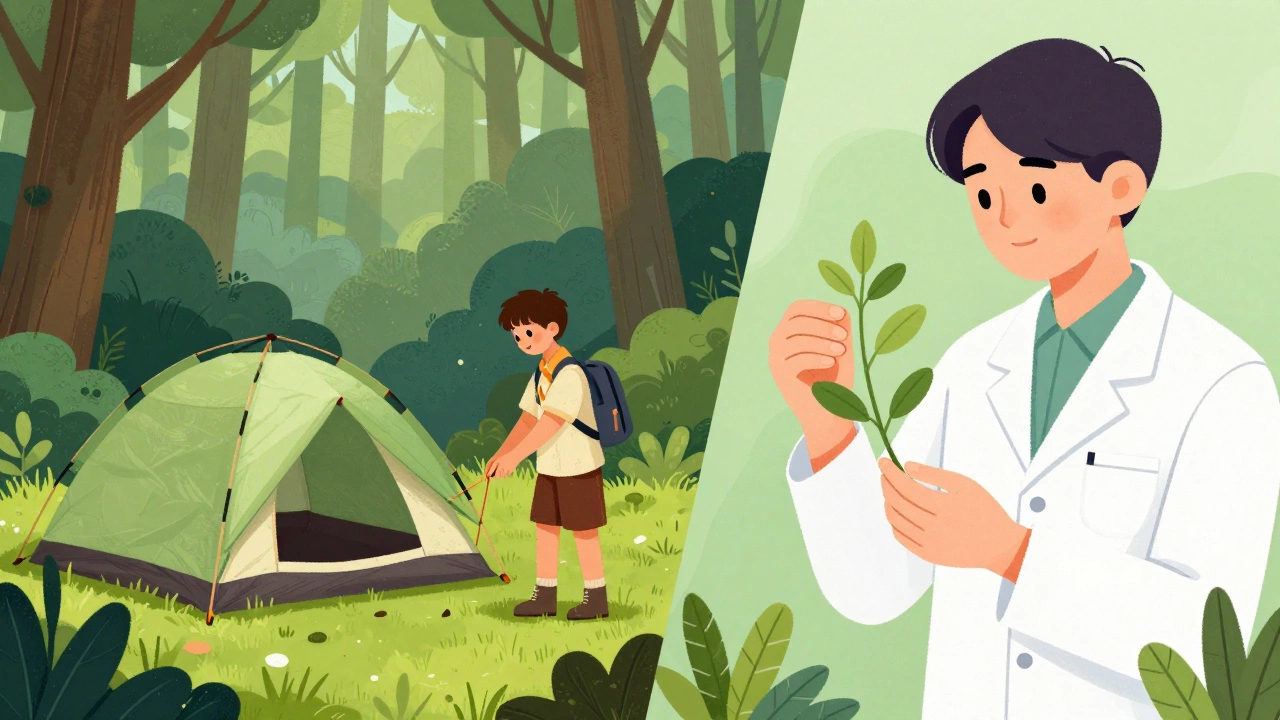
The value here lies in outdoor education and self-reliance. Members learn to camp, navigate wilderness, and manage budgets. These practical skills translate directly into adult life. For example, learning to set up a tent in the rain teaches patience and problem-solving under pressure. The BSA’s structure provides clear milestones, giving young people a sense of achievement as they progress through ranks.
2. Girl Scouts of the USA
Parallel to the BSA is the Girl Scouts of the USA, founded in 1912. This organization focuses heavily on leadership development and empowerment. Girls earn badges by exploring interests in STEM, arts, and entrepreneurship. The famous cookie sale is more than a fundraiser; it is a lesson in business planning, negotiation, and customer service.
Girl Scouts emphasize sisterhood and community service. Projects often involve local charities, helping members understand societal needs. This early exposure to philanthropy shapes lifelong values. The program’s flexibility allows girls to pursue niche interests, whether that’s robotics or creative writing, ensuring that every member finds a passion to explore.
3. 4-H Clubs
4-H Clubs operate across the United States, rooted in agricultural education. The name stands for Head, Heart, Hands, and Health. Originally focused on farming, 4-H has evolved to include science, technology, engineering, and math (STEM). Members raise animals, grow crops, and participate in public speaking contests.
The hands-on nature of 4-H is its greatest strength. Learning to care for livestock teaches responsibility and biology. Participating in county fairs builds confidence in public presentation. For rural youth, 4-H provides critical networking opportunities with mentors and peers who share similar lifestyles. It bridges the gap between traditional agriculture and modern innovation.
4. Boys & Girls Clubs of America
Boys & Girls Clubs of America serve millions of young people annually, particularly in underserved communities. These centers offer after-school programs that keep kids safe and engaged. Activities range from homework help to sports and arts. The environment is supportive, providing a second home for many children.
The focus is on keeping youth off the streets and on track academically. Tutoring sessions improve grades, while recreational activities reduce stress. Mentorship is central to the model, with staff and volunteers guiding members through personal challenges. This comprehensive support system addresses both educational and emotional needs, creating a stable foundation for future success.
5. Key Club International
Sponsored by Kiwanis International, Key Club is the world’s largest student-led volunteer organization. High school students form chapters to plan and execute service projects. Unlike other groups, Key Club emphasizes peer leadership. Students identify community needs and design solutions, gaining real-world project management experience.
Projects vary widely, from organizing food drives to mentoring younger students. This autonomy fosters initiative and creativity. Members learn to collaborate with adults and peers alike, developing communication skills essential for any career. The global network allows chapters to connect and share best practices, amplifying their impact.
6. Future Farmers of America (FFA)
Future Farmers of America (FFA) has rebranded itself as "Agriculture, Food, and Natural Resources." This organization prepares students for careers in agribusiness, biotechnology, and environmental science. Members participate in competitions, conferences, and leadership workshops. The iconic blue jacket symbolizes pride and professionalism.
FFA challenges the stereotype of farming as merely manual labor. It highlights the scientific and technological aspects of modern agriculture. Students learn about supply chains, sustainability, and policy. This broad perspective opens doors to diverse career paths, proving that agriculture is a dynamic and vital industry.
7. National Honor Society (NHS)
National Honor Society recognizes high school students who excel in scholarship, leadership, service, and character. Membership is competitive, requiring strong grades and a commitment to ethical behavior. NHS chapters organize service projects and academic discussions, fostering a culture of excellence.
Being part of NHS adds credibility to college applications and resumes. It signals to employers and universities that a student is disciplined and community-oriented. The society encourages members to uphold high standards, promoting integrity in all endeavors. This focus on character development complements academic achievement.
8. Amnesty International Student Section
For socially conscious youth, Amnesty International Student Section offers a platform for human rights advocacy. Students campaign against injustice, write letters to prisoners of conscience, and educate peers about global issues. This involvement raises awareness and empowers young people to effect change.
The organization provides research and tools for effective activism. Members learn about international law and diplomacy. Engaging with complex global problems develops critical thinking and empathy. It connects local actions to broader movements, showing students how their voices matter on a world stage.

9. FIRST Robotics Competition
FIRST Robotics inspires young people to become science and technology leaders. Teams design, build, and program robots to compete in matches. The process requires collaboration among engineers, programmers, and managers. Failure is part of the learning curve, teaching resilience and iterative improvement.
This program excels at making STEM accessible and exciting. Students apply classroom knowledge to real-world challenges. The competitive aspect motivates excellence, while the collaborative spirit fosters teamwork. Alumni often cite FIRST as a pivotal experience in choosing engineering or computer science careers.
10. Junior Achievement
Junior Achievement equips young people with financial literacy, work readiness, and entrepreneurship skills. Programs include stock market simulations, business plan competitions, and career exploration. By understanding money management, students make informed decisions about saving, investing, and spending.
Entrepreneurship modules encourage innovation and risk-taking. Students create mini-companies, learning about marketing, production, and sales. This experiential learning demystifies business concepts. Graduates enter the workforce or college with a practical understanding of economic principles, giving them a head start in their professional lives.
Choosing the Right Organization
| Organization | Primary Focus | Age Range | Key Skill Developed |
|---|---|---|---|
| Boy Scouts | Outdoor/Survival | 7-17 | Self-reliance |
| Girl Scouts | Leadership/Empowerment | 5-17 | Confidence |
| 4-H | Agriculture/STEM | 5-19 | Responsibility |
| Boys & Girls Clubs | Support/Safety | 6-18 | Resilience |
| Key Club | Volunteering | 14-18 | Project Management |
| FFA | Agriculture/Bio | 14-18 | Professionalism |
| NHS | Academic/Character | 14-18 | Integrity |
| Amnesty Intl | Human Rights | 13-18 | Advocacy |
| FIRST Robotics | STEM/Engineering | 6-18 | Problem Solving |
| Junior Achievement | Business/Finance | 5-18 | Financial Literacy |
Selecting the right group depends on individual interests and goals. Ask yourself: Do I prefer outdoor adventures or indoor debates? Am I interested in science, art, or social justice? Consider the time commitment and cost as well. Some groups require significant fundraising, while others are free. Talk to current members to get a feel for the culture. The best organization is one that sparks joy and curiosity.
Benefits Beyond the Resume
While resumes benefit from listing memberships, the true value lies in personal growth. Youth organizations teach failure gracefully. When a robot breaks down or a project fails, members learn to troubleshoot and try again. This resilience is invaluable in adulthood.
Social connections formed in these groups often last a lifetime. Friends made over shared struggles and successes become a support network. Mentors provide guidance during confusing times. These relationships foster a sense of belonging, combating loneliness and isolation.
Getting Started
Start by researching local chapters. Most organizations have websites with locator tools. Attend an open house or meeting to observe the dynamics. Don’t hesitate to ask questions about expectations and costs. If one group doesn’t fit, try another. Persistence pays off.
Encourage balance. Joining too many groups can lead to burnout. Quality matters more than quantity. Deep involvement in one organization yields greater benefits than superficial membership in several. Set realistic goals and celebrate small wins along the way.
Are youth organizations only for teenagers?
No, many organizations cater to different age groups. For instance, 4-H and Scouts have programs for children as young as five, while some groups extend services to young adults up to age 24.
How much do youth organizations cost?
Costs vary widely. Publicly funded groups like Boys & Girls Clubs may be free or low-cost. Private organizations like Scouts or FFA often have annual dues ranging from $50 to $200, plus potential fees for uniforms or trips.
Can joining a youth organization help with college applications?
Yes, admissions officers value extracurricular involvement. Leadership roles and sustained commitment demonstrate time management, dedication, and community engagement, which are highly regarded traits.
What if my child is shy or introverted?
Many organizations welcome introverts. Groups focused on individual interests, like robotics or arts, allow gradual socialization. Start with smaller roles and gradually take on more responsibility as comfort grows.
How do I find a local chapter?
Visit the national website of the organization you’re interested in. Most have chapter locators where you can enter your zip code. You can also check with local schools, libraries, and community centers for recommendations.