
Charitable Donation Checker
Check Your Items
Select the category of the item you wish to donate.
Ready to Check
Select your item details and click the button to see if it's ready for donation or needs alternative disposal.
You look at the closet door and see a pile of clothes you haven’t worn in two years. You glance at the kitchen counter and notice that stack of unread books or that half-used bottle of lotion. The urge to help is there, but the question hangs heavy: what can I give to charity? It’s not just about clearing space; it’s about making sure your contribution actually helps someone instead of becoming landfill waste.
Donating isn't as simple as tossing things into a bin. Different organizations have different needs, and giving the wrong item can sometimes cost them more to dispose of than the item is worth. Let’s break down exactly what you can give, where it goes, and how to make sure your generosity lands with impact.
Clothing: Quality Over Quantity
Clothing is the most common donation, which means charities are often overwhelmed by low-quality items. When thinking about what clothing to donate, think like a hiring manager or a parent getting ready for school. They need durability and cleanliness.
Secondhand stores and organizations that provide professional attire for job interviews rely on high-quality garments. Here is what they actually want:
- Workwear: Clean, wrinkle-free shirts, slacks, and blazers without stains, holes, or excessive pilling.
- Kids’ clothes: Children grow fast, so gently used outfits are gold. Make sure buttons are secure and zippers work.
- Seasonal gear: In colder months, coats, boots, and gloves are critical. In summer, light linens and breathable fabrics are useful.
Avoid donating underwear, socks, or swimwear unless the organization explicitly says they accept them (most do not due to hygiene regulations). If an item has a stain you couldn’t get out, or if it smells like mildew even after washing, keep it. No one wants to wear something that looks neglected, and charities spend valuable time sorting through these rejects.
Household Items: The Essentials
If you are moving or decluttering, household goods are a great way to support families in transition. However, "household items" is a broad category. Charities prefer functional, safe, and clean objects.
| Category | Donate If... | Do Not Donate If... |
|---|---|---|
| Dishes & Cookware | Unbroken, matched sets, no chips | Mismatched plates, cracked mugs, stained pots |
| Furniture | Solid wood, clean, sturdy legs | Upholstery with stains/tears, wobbly tables, broken drawers |
| Small Appliances | Tested working, cords intact | Missing parts, frayed wires, burnt smell |
| Toys | All pieces present, batteries removed | Broken electronics, missing small parts (choking hazard) |
Before dropping off furniture, call ahead. Many local shelters have limited storage space and may only take large items if they can pick them up immediately. For smaller items like dishes and cookware, ensure everything is washed and dried. Nobody wants to unpack a box of greasy pans.
Food and Non-Perishables
When people ask what they can give to charity, food is a top priority, especially during holidays or economic downturns. Food banks are nonprofit organizations that distribute food to those in need. They generally do not accept fresh produce from individuals due to spoilage risks, but they love shelf-stable goods.
Focus on nutrient-dense, easy-to-prepare items:
- Canned goods: Beans, vegetables, soups, and tuna. Check expiration dates; anything past its prime will be thrown out.
- Pantry staples: Rice, pasta, oats, peanut butter, and cooking oil.
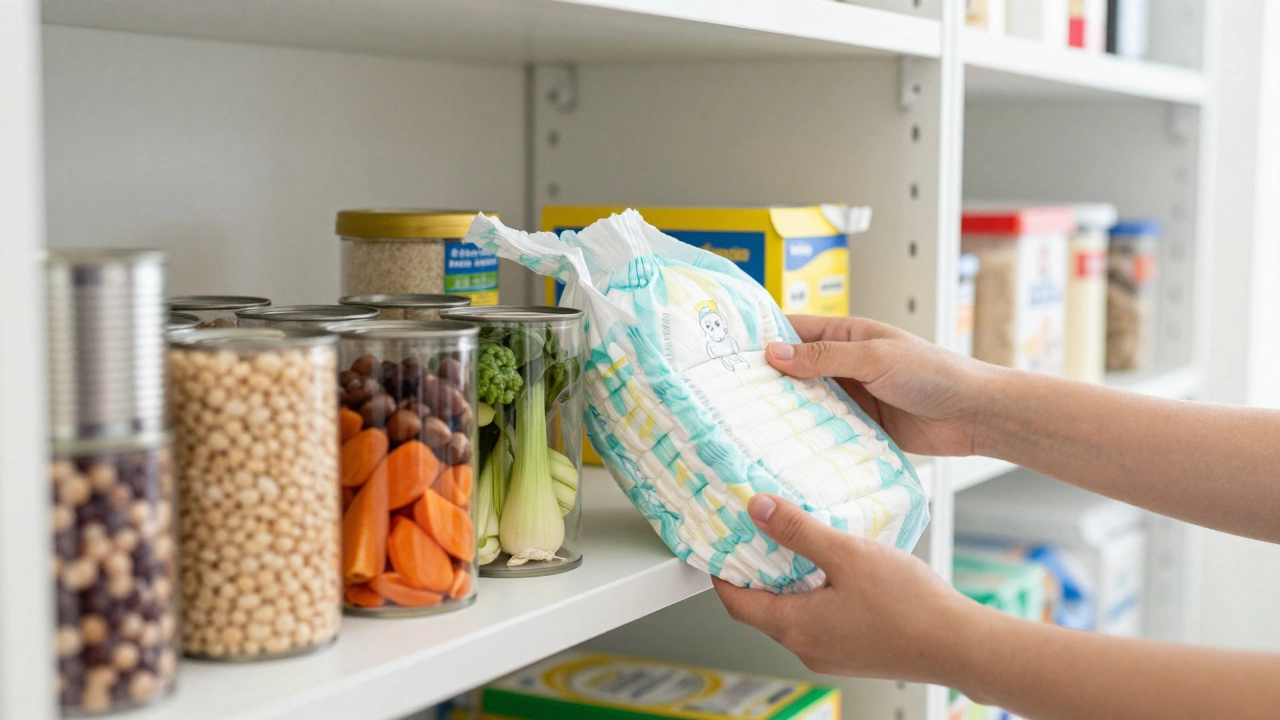
- Baby supplies: Diapers and formula are expensive and always in demand. Unopened packages are preferred.
Avoid homemade baked goods unless you know the specific policy of the shelter. Most larger organizations cannot accept homemade food due to liability and health code restrictions. Stick to factory-sealed products when possible.
Financial Donations: The Flexible Gift
While physical items are tangible, cash is often the most powerful tool you have. When you donate money, you allow the charity to buy exactly what they need, in bulk, at wholesale prices. This reduces their logistical costs and increases the impact of every dollar.
Consider setting up a recurring monthly donation. Even $10 a month adds up to $120 a year, providing predictable income for nonprofits to plan programs. If you want to direct funds specifically, many organizations offer "designated giving," allowing you to specify that your gift supports housing, education, or medical care.
Tax deductions are reductions in taxable income for charitable contributions. In many countries, including the US, financial donations to registered 501(c)(3) organizations are tax-deductible. Keep your receipts. Digital receipts are just as valid as paper ones. Consult a tax professional to understand how this affects your specific situation, but generally, cash donations are easier to track and deduct than estimating the value of used goods.
Skills and Time: The Undervalued Currency
If your closet is full but your wallet is empty, or vice versa, you still have something to give: your skills. Professional services are incredibly valuable to small nonprofits that operate on tight budgets.
Ask yourself: What do I do for a living?
- Accountants: Offer to review their books or help with grant reporting.
- Marketers: Help them design a social media campaign or update their website.
- Tutors: Volunteer at a local library or community center to help students with homework.
- Handymen: Repair a broken fence or fix a leaky faucet at a senior center.
This approach, known as Pro bono work is professional work undertaken voluntarily or without normal fees, allows charities to stretch their financial resources further. It also builds community connections that go beyond transactional giving.

Electronics and Tech: E-Waste vs. Opportunity
Old laptops, tablets, and phones can be a lifeline for students and job seekers who lack access to technology. However, e-waste is a massive environmental problem. Before donating tech, you must prepare it properly.
- Back up your data: Save any important files to a cloud service or external drive.
- Factory reset: Wipe the device completely. Remove all accounts, passwords, and personal photos.
- Check functionality: Does the screen crack? Do the keys stick? If it’s barely working, don’t donate it to a charity that expects to resell or reuse it. Instead, take it to an e-waste recycling center.
Many libraries and schools have "tech donation" programs. They refurbish old computers and lend them to students. This keeps electronic components out of landfills and bridges the digital divide.
What NOT to Donate: Avoiding the Burden
Good intentions can backfire if you donate items that charities cannot use. These items often end up being discarded, costing the organization money in disposal fees. Here is what to avoid:
- Hazardous materials: Paint, chemicals, batteries (unless specified), and cleaning agents.
- Recalled items: If a toy or appliance was recalled for safety reasons, it is illegal and dangerous to donate it.
- Broken furniture: Unless you are offering to repair it, broken chairs and tables are burdensome.
- Medical equipment: Used CPAP machines, wheelchairs, or hospital beds usually require specialized sanitization and certification. Most general thrift stores cannot handle these.
When in doubt, call the organization. Ask, "Do you currently have a need for [item]?" If they say no, respect that boundary. Your kindness is appreciated, but their operational efficiency matters too.
Can I donate used mattresses to charity?
Generally, no. Most charities and thrift stores do not accept used mattresses due to strict health and sanitation regulations regarding bed bugs and allergens. Some specialized organizations may accept them if they are less than six months old and in pristine condition, but this is rare. Check with local shelters first, otherwise, dispose of them through municipal waste services.
How much can I deduct for donated clothing?
In the US, you can deduct the fair market value of your donated items, not what you originally paid for them. For example, if you bought a shirt for $50 but it would sell for $5 at a thrift store, your deduction is $5. Keep a detailed list of items and obtain a receipt from the charity. For donations over $500, you may need additional documentation.
Do charities accept expired medicine?
No. Never donate expired or unused prescription medications. Health laws strictly prohibit the redistribution of pharmaceuticals due to safety risks. Dispose of them at designated drug take-back locations, such as pharmacies or police stations.
Is it better to donate cash or goods?
Cash is usually better for the charity because it allows them to purchase exactly what they need in bulk, reducing transportation and sorting costs. However, if you have specific high-demand items like new diapers or winter coats, goods can be very impactful. Always consider the organization's current needs.
Can I donate clothes that have minor stains?
It depends on the severity. Small, treatable stains might be acceptable if the garment is otherwise high-quality, but most charities prefer items that are clean and ready to wear. Stains can indicate neglect or hygiene issues, which may deter buyers or recipients. When in doubt, wash thoroughly or donate only if the stain is invisible after drying.