
Golf Club Size Calculator for 13-Year-Olds
Enter your child's height and estimated drive distance to determine the recommended golf club set type, driver length, and shaft flex.
There is a specific moment every young golfer hits around age 13. They step up to the ball, swing their current set of clubs, and suddenly realize something is wrong. The driver feels like a twig. The putter looks like a toy. Or worse, they are trying to force an adult-sized iron that makes them look like they are wrestling a bear. This awkward phase between childhood equipment and full-grown gear is confusing for parents and frustrating for kids.
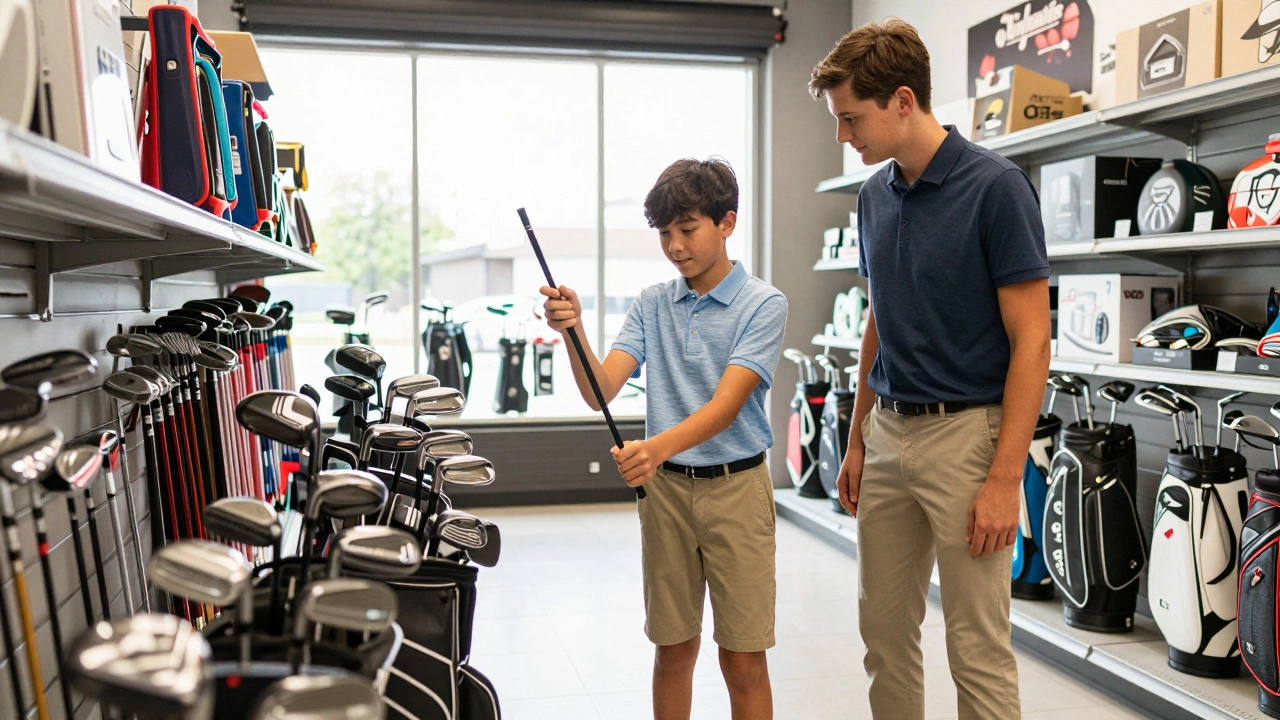
If you are asking what size clubs does a 13 year old need, you are likely standing in a sporting goods store or scrolling through online catalogs, overwhelmed by charts that don't quite match your child's unique build. There is no single "one-size-fits-all" answer because a 13-year-old can be four-foot-ten or five-foot-eight. However, there is a clear path to finding the right fit. Getting this right isn't just about comfort; it is about mechanics, safety, and keeping them excited about the game.
The Height and Weight Rule of Thumb
The most reliable way to determine club size is not by age, but by height and weight. Age is a poor indicator because growth spurts happen at wildly different rates. A 13-year-old who is 5'4" (162 cm) has very different needs than one who is 4'10" (147 cm). Generally, we look at two main categories for this age group: Junior Senior sets and Adult Regular sets.
| Height Range | Recommended Set Type | Driver Length (Approx.) | Shaft Flex |
|---|---|---|---|
| Under 5'0" (152 cm) | Junior Senior | 41-42 inches | Regular/Ladies |
| 5'0" to 5'4" (152-162 cm) | Junior Senior or Short Adult | 42-43 inches | Regular |
| Over 5'4" (162 cm) | Adult Regular | 43-44 inches | Regular/Stiff |
Weight matters too. If your child is tall but lightweight, they might not have the swing speed to load a stiff adult shaft. In that case, stick with lighter Junior Senior clubs even if their height suggests adult lengths. Conversely, a stocky 13-year-old who is only 5'2" might benefit from shorter adult clubs with heavier heads to help stabilize their swing.
Understanding Junior Senior vs. Adult Clubs
You will often see terms like "Junior Senior" or "Transition Sets." These are designed specifically for players aged 12 to 16. They bridge the gap between colorful, plastic-heavy junior sets and serious adult equipment. Here is what distinguishes them:
- Length: Junior Senior drivers are typically 42 to 43 inches long. Standard adult drivers are usually 44.5 to 45.5 inches. That extra inch or two makes a huge difference in control. An adult driver that is too long forces a teen to stand too far from the ball, leading to topped shots and back pain.
- Shaft Material: Many junior sets use graphite shafts because they are lighter and easier to swing fast. Adult sets often use steel irons, which are heavier and more durable. For a 13-year-old, graphite irons are usually better unless they are already swinging with significant power. Lighter clubs allow for proper technique without fatigue.
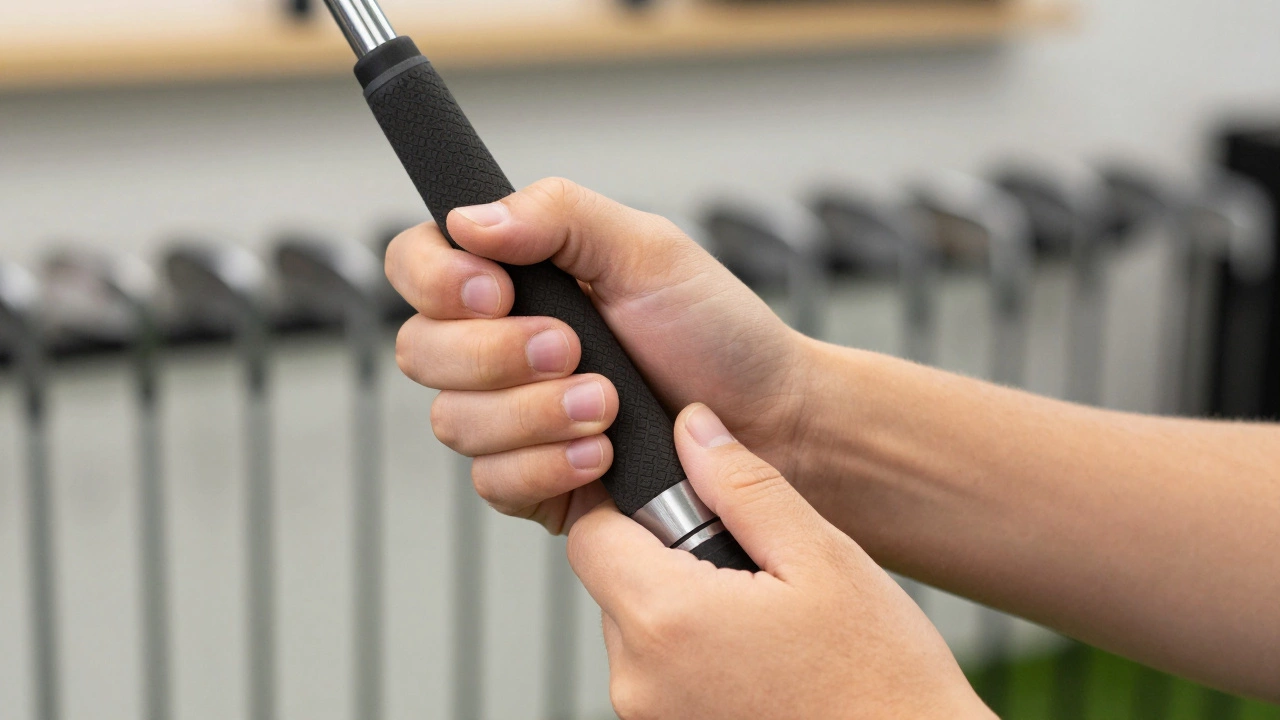
- Grip Size: This is the most overlooked factor. Adult grips (standard size) are often too thick for a 13-year-old's hands. Thick grips prevent the hands from rotating freely during the swing, causing slices and hooks. Look for "Junior" or "Ladies" grip sizes, which are thinner and allow for a more natural release.
When shopping, check the grip circumference. If your child cannot wrap their thumb over their index finger when holding the club comfortably, the grip is too big. Proper hand action is critical for developing a good swing early on.
The Swing Speed Test
Height tells you how long the club should be, but swing speed tells you what kind of shaft they need. You don't need expensive launch monitors to figure this out. Watch them hit a few balls with their current clubs.
If they are struggling to get the ball airborne, or if the club head seems to lag behind their hands, the shaft is likely too heavy or too stiff. Junior clubs with flexible graphite shafts help generate lift and distance for slower swing speeds. If they are hitting the ball solidly but feeling like the club is whipping around uncontrollably, they might be ready for a stiffer flex found in adult sets.
A simple rule: If they can drive the ball consistently over 180 yards, they are probably ready for adult-length clubs with regular flex shafts. If they are driving between 120 and 180 yards, Junior Senior sets are the sweet spot. Under 120 yards? Stick with shorter junior clubs to ensure they maintain contact with the ground.
Which Clubs Are Most Important?
You do not always need to buy a full set of 14 clubs. Budget constraints are real, and teens grow fast. Prioritize these three areas:
- The Driver: This is where length errors hurt the most. Get the driver fitted correctly first. A well-fitted driver builds confidence. If they miss-hit off the tee, they lose interest quickly.
- The Wedges: Approach shots matter more than driving distance for scoring. Ensure their pitching wedge and sand wedge have enough loft. Junior wedges often have higher lofts (50-54 degrees) to help get the ball up. Adult wedges start around 46-48 degrees. If they switch to adult irons, make sure they keep a high-lofted wedge for short game work.
- The Putter: Putters are less about height and more about arm length and stance. However, a standard adult putter is often too long for a 13-year-old. Look for a putter that allows them to stand naturally with arms hanging straight down. If the putter is too long, they will stand too upright, losing feel. A 33-inch putter is common for juniors, while adults use 34-35 inches.
Irons are less critical to fit perfectly immediately. You can trim an adult iron down slightly or extend a junior iron if necessary, but getting the driver and putter right provides the biggest immediate benefit.
Common Mistakes Parents Make
I see the same errors repeatedly in pro shops and on forums. Avoid these pitfalls to save money and frustration:
Buying "One Size Fits All" Adult Sets: Just because a set says "Regular" doesn't mean it fits a teenager. Regular adult clubs are built for men who are 5'9" to 6'0". Using these as a 13-year-old creates bad habits. They will hunch over, creating tension in the back and shoulders. This leads to injury and poor posture that takes years to fix.
Ignoring Grip Size: As mentioned, thick grips kill hand action. Many parents think bigger is stronger, but in golf, smaller hands need smaller grips to rotate properly. Check the manufacturer's spec sheet for grip diameter.
Waiting Too Long to Transition: Some parents keep kids in bright yellow junior clubs until they are 15 because they are cheaper. This can be detrimental. Teens want to look and play like adults. Using "toy-like" clubs can embarrass them and reduce engagement. Transitioning to sleek, black Junior Senior or adult-style clubs helps them take the game seriously.
Where to Buy and How to Save
New Junior Senior sets can cost $400-$600. That is a lot of money for a kid who might grow two inches next summer. Consider these options:
- Used Market: Websites like eBay, Facebook Marketplace, and local golf consignment shops are goldmines. Look for brands like Callaway, TaylorMade, and Titleist. Their junior lines hold value well. A used set from 2023 is mechanically identical to a 2026 model for a fraction of the price.
- Rental Programs: Many local courses offer rental sets labeled "Junior" or "Women's". Let your child rent a set for a round before buying. See how it feels. Do they slice it? Hook it? Feel comfortable? Real-world testing beats any chart.
- Custom Fitting Discounts: Some major retailers offer free or discounted fittings for juniors. Use this service. Even if you buy online later, knowing the exact lie angle and shaft flex saves you from returning items.
Remember, the goal is not to find the most expensive clubs, but the ones that allow your 13-year-old to swing freely and confidently. When the equipment disappears into the background, the focus returns to the game. That is when improvement happens.
Can a 13-year-old use women's golf clubs?
Yes, absolutely. Women's clubs are often a perfect middle ground for teenage boys and girls. They are shorter than men's clubs (usually 1 inch shorter), lighter, and have more flexible shafts. If your son is 5'2" and light, women's clubs might fit him better than men's. The only downside is the color scheme, which some boys might dislike, but performance-wise, they are excellent.
How do I know if my child is ready for adult clubs?
Look for two signs: height and consistency. If they are over 5'6" and can drive the ball 200+ yards consistently, they are likely ready for adult clubs. Also, observe their posture. If they are standing upright with their current junior clubs and still hitting the ball well, they have outgrown the length. Switching to adult clubs at this stage supports better biomechanics.
Should I buy a full set or individual clubs?
For most 13-year-olds, a matched set is best for consistency. However, if budget is tight, buy a driver, a mid-iron (like a 7-iron), and a wedge separately. Match the shaft flex across these three. You can fill in the rest later. Mixing shaft materials (graphite and steel) in one bag is fine, but mixing flexes (regular and stiff) can confuse their swing feel.
What is the ideal lie angle for a 13-year-old?
Lie angle refers to the angle of the shaft relative to the ground. Junior clubs often have flatter lie angles (around 60-62 degrees) compared to adult clubs (63-64 degrees). If you buy adult clubs for a shorter teen, you may need to have them bent to a flatter lie. If the lie angle is too steep, the toe of the club will dig into the ground, causing pulls and hooks. A professional fitter can adjust this easily.
Are graphite shafts better than steel for teenagers?
Graphite is generally better for 13-year-olds. It is lighter, which helps increase swing speed and reduces strain on growing joints. Steel is heavier and more durable, but it requires more strength to control effectively. Unless your child is exceptionally strong and has a fast, aggressive swing, stick with graphite for irons and woods to promote a smoother, more fluid motion.