
Charitable Giving Impact Calculator
Configure Your Donation
Projected Annual Impact
Select a strategy to see results
Key Outcomes (Estimated)
It is August 2026, and you have just finished a summer fundraiser or received your annual bonus. You want to give money away. That is great. But standing in front of a list of hundreds of organizations, you might feel stuck. Which one actually helps people? Which one wastes your hard-earned cash on fancy offices? The question "which charity is best" does not have a single answer because "best" depends on what you value most. Do you want to save lives at the lowest cost? Do you want to fix a problem right here in your neighborhood? Or do you care about protecting the planet for future generations?
Finding the right charity is a non-profit organization that relies on donations to achieve specific social goals requires more than just picking a name you recognize. It requires looking at data, understanding overhead costs, and knowing how impact is measured. This guide breaks down how to evaluate organizations so you can sleep well knowing your donation went where it needed to be.
The Myth of Zero Overhead
For years, we were told that the best charity is one that spends 100% of its money on programs. If an organization spent even 5% on staff salaries or rent, it was considered wasteful. This is a dangerous myth. In 2026, smart donors know better. A charity with zero overhead cannot hire experts, maintain secure servers, or keep the lights on. Eventually, it collapses.
Instead of chasing a perfect score on overhead ratios, look at cost-effectiveness is the measure of how much social good is achieved per dollar spent. An organization might spend 30% on administration but use that infrastructure to deliver vaccines to millions of children at a fraction of the cost of a smaller group spending 90% on direct aid. The goal is efficiency, not austerity. When you review financial statements, look for transparency. Are they clear about where the money goes? Do they publish independent audits? These are signs of a healthy organization, regardless of their overhead percentage.
Evidence-Based Giving: The Global Health Approach
If your goal is to maximize the number of lives saved or suffering reduced, you should look into the field of effective altruism is a philosophical movement that uses evidence and reason to determine the most effective ways to benefit others. This approach treats philanthropy like science. It asks: What problems are neglected? What interventions work? And how scalable are they?
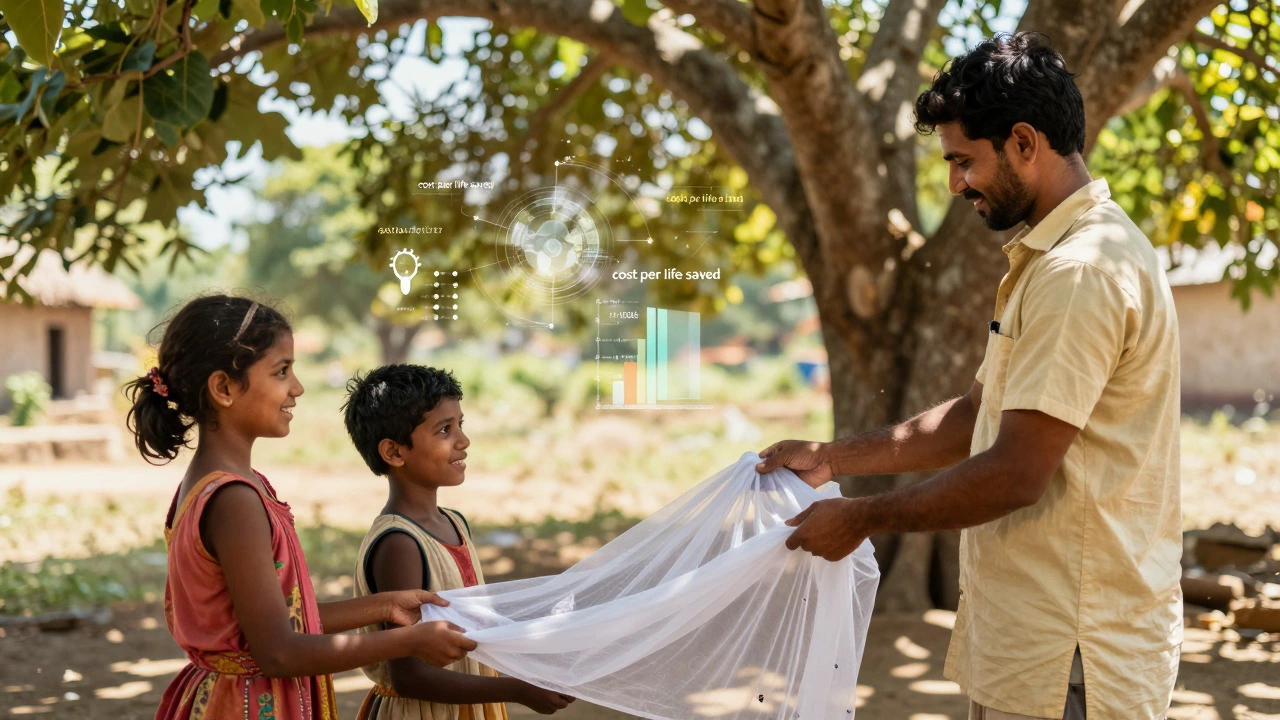
Organizations often recommended by evaluators like Giving What Works is an Australian foundation that provides rigorous evaluations of global health charities focus on high-impact areas. For example, distributing insecticide-treated bed nets prevents malaria. Treating soil-transmitted helminths (worms) improves child development. Providing deworming medicine costs pennies per person. Compare this to building expensive monuments or funding broad research with no clear timeline for results. If you want to punch above your weight class financially, these global health interventions offer the highest return on investment. One dollar here can literally mean the difference between life and death for a child in a developing nation.
Local Impact: Why Your Community Matters
While global health saves lives statistically, many of us find deeper satisfaction in seeing the change ourselves. Living in Bristol, I see the impact of local food banks every week. The Bristol Foodbank is a local network providing emergency food and support to people facing hardship in the city is not just handing out cans of beans. They are connecting vulnerable people with housing advice, debt counseling, and mental health support. This is holistic help.
When evaluating local charities, ask yourself: Can I visit them? Can I volunteer? Local organizations often struggle with marketing budgets, which means they rely heavily on community trust rather than slick advertising. Look for groups that address immediate needs in your area. Homeless shelters, youth mentorship programs, and elderly care services are critical. In 2026, with rising living costs, the demand for local support has never been higher. Your donation to a local group often creates a ripple effect in your own social circle, encouraging friends and neighbors to get involved too.
Environmental Stewardship in 2026
The climate crisis is no longer a future threat; it is happening now. Choosing an environmental charity involves navigating a complex landscape of conservation, advocacy, and restoration. Not all green causes are created equal. Some groups focus on lobbying politicians, while others plant trees or clean oceans. Both are valuable, but they require different types of funding.
Consider organizations that focus on systemic change. Protecting existing rainforests is often more cost-effective than reforesting destroyed land. Supporting indigenous land rights has proven to be one of the most effective strategies for preserving biodiversity. When you look at environmental NGOs are non-governmental organizations dedicated to protecting the natural world through various methods, check their track record. Have they successfully influenced policy? Have they restored measurable amounts of habitat? Avoid vanity projects that take photos of volunteers holding shovels but produce little long-term ecological benefit. Real environmental work is often quiet, scientific, and persistent.
How to Vet Any Charity
Before you hand over your credit card, run through this quick checklist. It takes five minutes and saves you from supporting ineffective or fraudulent organizations.
- Check Independent Ratings: Use sites like Charity Navigator, GiveWell, or local equivalents. They analyze financial health, accountability, and transparency.
- Read the Annual Report: Does it tell a story of impact, or just a list of expenses? Look for outcomes, not just outputs. Did they feed 1,000 meals (output), or did they reduce hunger rates in a specific zip code by 10% (outcome)?
- Verify Registration: Ensure the charity is legally registered to collect donations. In the UK, check the Charity Commission register. In the US, look for IRS 501(c)(3) status.
- Look for Board Independence: A board filled with family members of the founder is a red flag. Diverse, independent boards provide better oversight.
- Contact Them: Send an email asking a specific question about their programs. How quickly and clearly do they respond? Good communication reflects good management.
Diversifying Your Philanthropy
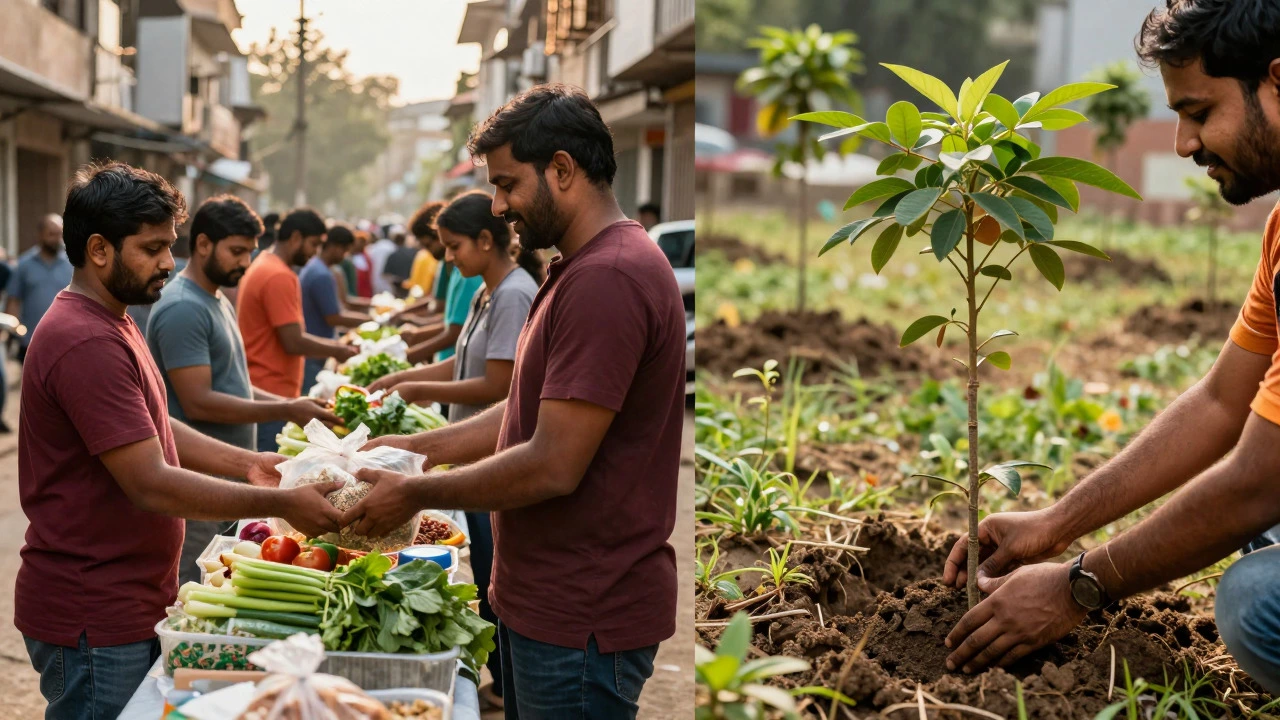
You do not have to pick just one winner. Think of your charitable giving like an investment portfolio. Diversification reduces risk and allows you to support multiple values. You might allocate 50% of your budget to high-impact global health charities, 30% to local community projects in Bristol, and 20% to environmental causes. This way, you cover both urgent human needs and long-term planetary health. You also spread the risk; if one organization faces leadership issues, your entire giving strategy does not collapse.
| Strategy Type | Primary Goal | Best For Donors Who... | Key Metric to Watch |
|---|---|---|---|
| Effective Altruism | Maximize lives saved/suffering reduced | Value data and global scale | Cost per life saved |
| Local Community | Strengthen neighborhood bonds | Want visible, personal impact | Community engagement rate |
| Environmental Advocacy | Policy change and conservation | Care about long-term sustainability | Hectares protected/policy wins |
| Arts & Culture | Preserve heritage and creativity | Believe in cultural enrichment | Audience reach and diversity |
Avoiding Common Pitfalls
Emotional appeals are powerful. Television commercials showing crying puppies or starving children trigger our empathy centers. This is not bad, but it can lead to impulsive giving. Always pause. Ask yourself if the organization has a sustainable plan beyond the current crisis. Also, beware of "scam charities" that pop up after natural disasters. They often have vague names and poor websites. Stick to established organizations with a history of handling emergencies effectively. Another pitfall is donating without tax receipts. In many countries, including the UK and US, charitable donations are tax-deductible. Make sure you receive a proper receipt to claim your deduction. It is free money back from the government to support the cause you love.
What is the most transparent charity sector?
Global health and education sectors tend to have the most rigorous transparency standards due to heavy scrutiny from international donors and governments. Organizations in these fields often publish detailed impact reports and undergo regular third-party audits.
Is it better to give monthly or annually?
Monthly giving is generally preferred by charities because it provides predictable income, allowing for better planning and staffing. For donors, monthly giving spreads the cost over time and can be automated, making it easier to sustain long-term support.
How do I know if a charity is legitimate?
Check official registries like the Charity Commission in the UK or the IRS database in the US. Legitimate charities will always have a registration number, a physical address, and a clear board of directors listed on their website. If information is missing, proceed with caution.
Can small donations make a difference?
Yes. While large donations fund major projects, small recurring donations provide the stable baseline income that keeps charities operational. Many effective charities can achieve significant outcomes with modest funds, especially when pooled together by many donors.
Why should I avoid judging charities solely by overhead costs?
Low overhead does not guarantee high impact. A charity might spend very little on administration but also lack the expertise to execute programs effectively. Conversely, a charity with higher administrative costs may invest in skilled staff and technology that drastically improve program outcomes. Focus on overall effectiveness and results.