
Charity Event Budget & Ticket Pricing Calculator
Estimated Total Costs
Ticket Pricing Strategy
This is the minimum price needed just to cover all costs without raising any funds for the cause.
This price covers costs AND meets your fundraising goal of £0.
Calculate to see how close you are to your goal.
Enter your details on the left and click Calculate to see your budget breakdown and recommended ticket price.
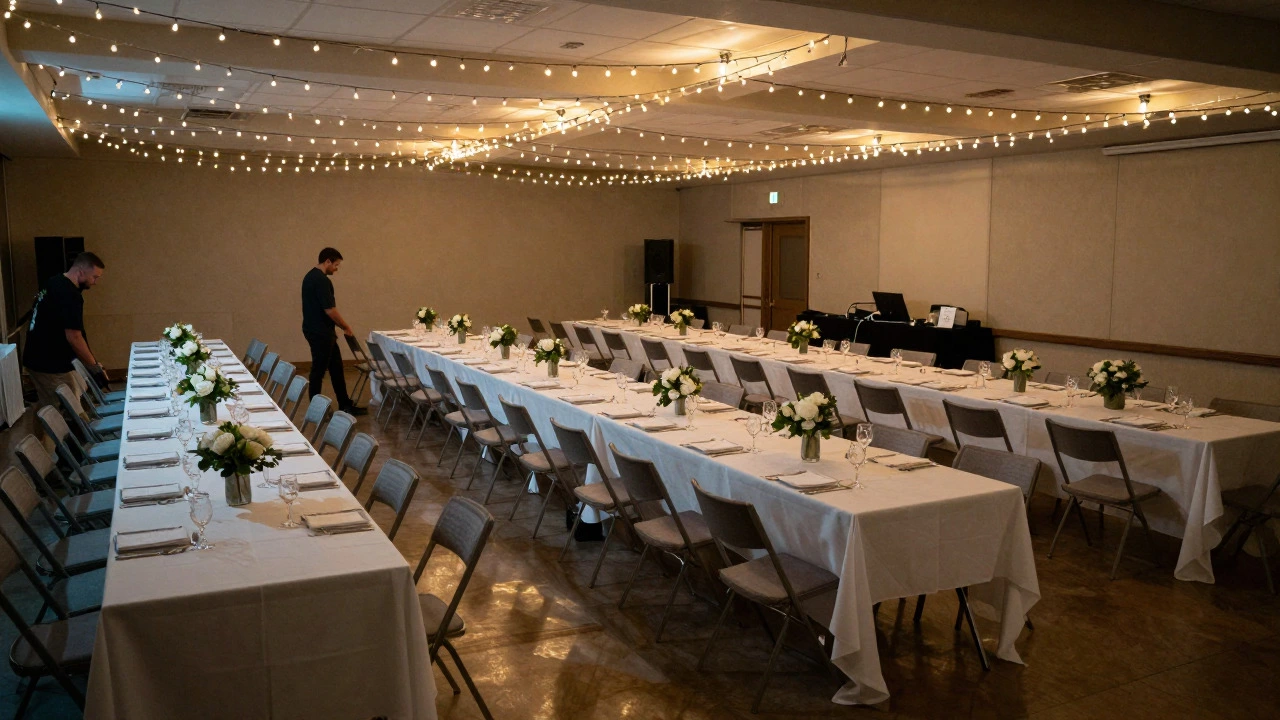
Imagine standing in an empty hall three days before your big fundraiser. The tables are set, but the energy is flat. You promised your board you’d raise enough to cover next month’s rent, but now you’re wondering if anyone will actually show up. This anxiety is real. According to The Fundraising Association, which tracks UK charitable performance, over 40% of small-scale fundraisers fail to meet their financial targets due to poor pre-event planning rather than lack of cause merit. The good news? Holding a successful charity event isn’t about having a million-pound budget; it’s about mastering the mechanics of human connection and logistical precision.
This guide breaks down the exact process of organizing a charity function from scratch. Whether you’re running a gala dinner, a community fun run, or a silent auction, these steps will help you move from vague ideas to a concrete plan that delivers results. We’ll look at how to define your goals, build a team, secure a venue, and market your effort without burning out your volunteers.
Defining Your Goals and Audience
Before you book a single chair or design a flyer, you need to know exactly what success looks like. Many organizers skip this step because they assume the cause speaks for itself. It doesn’t. People donate when they understand the specific impact of their contribution. Start by setting a clear monetary target. If you need £5,000 to buy new medical equipment, say so. Vague goals like "raise as much as possible" often lead to lower donations because donors don’t feel their individual check matters.
Next, identify your primary audience. Are you targeting local business owners, young professionals, or families with children? Each group responds to different incentives. Business owners value networking opportunities and tax receipts. Families want entertainment and safety. Young professionals appreciate social proof and digital convenience. Knowing who you are talking to dictates every subsequent decision, from the venue location to the tone of your email campaigns.
- Financial Target: Set a realistic number based on past events or comparable organizations.
- Secondary Goal: Decide if you also want to recruit volunteers or increase newsletter sign-ups.
- Audience Profile: Create a simple persona including age, income level, and interests.
Building Your Core Team
You cannot do this alone. Trying to handle logistics, marketing, and donor relations simultaneously is a recipe for burnout. Build a small core team of three to five people with distinct skills. You need someone who is organized (logistics), someone who can write compelling copy (marketing), and someone who knows the local community (networking).
Assign clear roles early on. Ambiguity kills momentum. If everyone thinks they are responsible for catering, nobody orders the food. Use a shared project management tool, even if it’s just a shared spreadsheet, to track tasks and deadlines. Regular check-ins-weekly at first, then bi-weekly-keep everyone aligned. Remember, your team members are likely volunteering their time, so respect their bandwidth. Don’t ask for more than two hours of work per week unless they are deeply invested.
Choosing the Right Venue and Format
The format of your event should match your audience and budget. A formal gala requires a high-end venue with seating, stage lighting, and catering capabilities. A casual fundraiser might be better served by a park, a community center, or even a virtual platform. Consider the cost structure carefully. Venues often charge a base fee plus a percentage of ticket sales. Some community centers offer free spaces for registered charities in exchange for publicity.
When scouting locations, visit in person. Check the parking situation, accessibility for disabled guests, and the quality of the Wi-Fi if you plan to use digital tools. A beautiful room with no parking space will lose you half your attendees. Also, consider the timing. Weekends are best for general public events, while weekday evenings work better for corporate audiences. Avoid clashing with major local holidays or competing events.
| Format | Best For | Estimated Cost | Risk Level |
|---|---|---|---|
| Gala Dinner | High-net-worth donors | High (£££) | Medium (Logistics complex) |
| Fun Run/Walk | General public & families | Low (£) | Low (Weather dependent) |
| Silent Auction | Corporate sponsors | Medium (££) | Medium (Requires inventory) |
| Virtual Webinar | Remote supporters | Very Low (£) | Low (Technical issues) |
Marketing and Ticket Sales Strategy
Great events fail when no one knows about them. Start marketing six to eight weeks in advance. Use a multi-channel approach. Email is still the most effective channel for existing supporters. Personalize your messages where possible. Instead of a generic blast, send individual notes to key donors explaining why their presence matters.
Social media works well for reach, but it needs visual appeal. Post behind-the-scenes content showing your team preparing the event. This builds anticipation and trust. Partner with local influencers or community leaders who can share your posts with their networks. For ticket sales, use a reliable platform that handles payment processing securely. Offer early-bird pricing to encourage quick decisions. Scarcity drives action-if you limit tickets to 100, sell them faster than if you leave it open-ended.
- Week 8-6: Announce the event date and theme via email and social media.
- Week 5-3: Open ticket sales with early-bird discounts.
- Week 2-1: Send reminders and highlight key speakers or activities.
- Day Before: Send final logistics details (parking, arrival time) to all registrants.
Managing Logistics and Day-Of Operations
On the day of the event, chaos is inevitable. The projector won’t connect, the caterer is late, or a VIP guest cancels. Stay calm. Prepare a backup plan for critical elements. Have extra cables, batteries, and printed materials on hand. Assign a "floor manager" whose only job is to solve problems as they arise. They should not be involved in setup or teardown, so they remain available throughout the event.
Create a detailed timeline for the day. Know exactly when doors open, when speeches happen, and when the auction starts. Communicate this timeline to all vendors and staff. If you have live music or speakers, confirm their arrival times the night before. Small delays cascade quickly; if the band is ten minutes late, the dinner service slips, and guests get hungry and impatient. Proactive communication prevents most issues.

Post-Event Follow-Up and Analysis
The event ends, but the relationship doesn’t. Send thank-you emails within 48 hours. Include a photo from the event to keep the memory fresh. Mention the total amount raised and how it will be used. Transparency builds long-term loyalty. Ask for feedback via a short survey. What did they love? What could be improved? This data is gold for your next event.
Finally, hold a debrief meeting with your team. Review the numbers against your initial goals. Did you hit your target? If not, why? Was it low attendance, low average donation size, or high costs? Identify one thing you did well and one thing to fix. Document these lessons in a playbook for future reference. Continuous improvement is what separates amateur fundraisers from professional ones.
Frequently Asked Questions
How much does it cost to host a charity event?
Costs vary widely. A small community event might cost under £500, while a gala dinner can exceed £5,000. Key expenses include venue hire, catering, marketing, and technology. To reduce costs, seek in-kind donations for services like photography or catering.
What is the best type of charity event for beginners?
A fun run or walk is ideal for beginners. It has low overhead costs, minimal technical requirements, and broad appeal. It allows you to learn logistics and marketing basics without the pressure of managing complex catering or audio-visual setups.
How do I find sponsors for my event?
Approach local businesses that align with your cause. Offer them visibility in return for cash or in-kind support, such as logo placement on banners or mentions in your newsletter. Be specific about what you need and make it easy for them to say yes.
Should I charge for tickets or rely on donations?
Charging for tickets covers basic costs and signals commitment from attendees. However, ensure the price is accessible. You can also offer a "pay what you wish" option for certain categories to maximize inclusivity while maintaining revenue stability.
How far in advance should I start planning?
Start at least three months in advance. This gives you time to secure a venue, build a team, launch marketing campaigns, and manage vendor contracts. Rushing leads to higher stress and missed opportunities for sponsorship.