Traditional Youth Organization Quiz
How well do you know the world of traditional youth groups? From the khaki shirts of Scouting to the community projects of Guiding, test your understanding of these enduring institutions.
Loading question...
Quiz Complete!
You scored 0 out of 5.
You might have seen them in your local park on a Saturday morning: kids in khaki shirts tying knots, or girls in blue uniforms planning a charity bake sale. These aren't just random gatherings; they are part of one of the most enduring social structures in modern history. When people ask for an example of a traditional youth organization, the answer almost always points to two massive global movements: The Scout Association (Scouting) and the World Association of Girl Guides and Girl Scouts (Guiding). But what makes these groups "traditional," and why do they still matter when every other hour seems filled with TikTok trends and esports leagues?
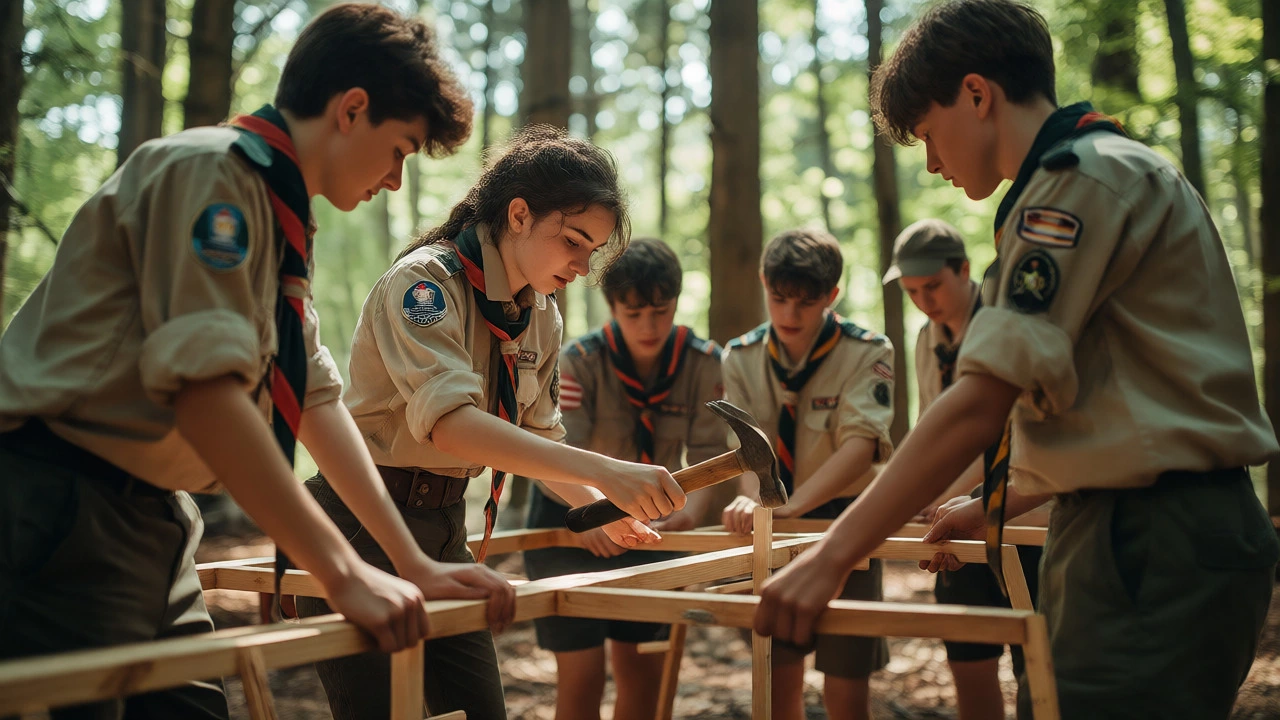
The core idea behind these organizations isn't just about camping or badges. It’s about structured character building through non-formal education. Unlike school, where you sit and listen, traditional youth orgs make you do things. You build a shelter, you cook over a fire, you lead a team project. This hands-on approach has kept them relevant for over a century. If you're trying to understand how these groups work, or if you're looking for something similar for your own children or community, it helps to look at the specific mechanics that make Scouting and Guiding tick.
The Archetype: Why Scouting Defines the Genre
If you need one single definition of a traditional youth organization, look no further than Scouting. Founded by Robert Baden-Powell in 1907, it established the blueprint that hundreds of other groups copied. It is a non-formal educational movement for young people based on voluntary participation, learning by doing, and a promise of duty to God and country.
Why did this model survive? Because it solved a real problem. In the early 20th century, industrialization was pulling kids off the streets but also isolating them from nature and community responsibility. Baden-Powell’s method offered a middle ground. It wasn’t military drill, though it used some structure. It was self-governance. Young people ran their own patrols. They elected leaders. They resolved conflicts among themselves. This autonomy is rare in adult-led institutions like schools or sports clubs, where coaches and teachers dictate every move.
Today, Scouting operates in over 170 countries with more than 57 million members. That scale proves its adaptability. While the uniform looks similar everywhere, the activities change. In Bristol, where I live, Scouts might spend weekends navigating the Avon Gorge or volunteering at city council clean-ups. In rural areas, it might be more focused on farming skills or conservation. The constant thread is the method: small groups, outdoor activity, and a progressive badge system that rewards skill acquisition rather than just attendance.
Girl Guides: Parallel Paths, Shared Values
Often mentioned alongside Scouting is Girl Guides (or Girl Scouts in the US). Established by Agnes Baden-Powell in 1910, it began as a separate entity to address the needs of girls who were being excluded from the initial Boy Scout experiments. Over time, many countries merged the programs into co-ed units, but the distinction remains vital in places like the UK, where the Girlguiding organization operates independently.
Girlguiding focuses heavily on empowerment, leadership, and community impact. Their program structure mirrors Scouting’s age-bracketed approach-Rainbows (ages 4-7), Brownies (7-10), Guides (10-14), Rangers (14-18)-but often emphasizes different types of projects. While Scouts might focus on pioneering engineering tasks, Guides frequently lead campaigns on body confidence, digital safety, and environmental sustainability. For instance, the recent "Think Big" initiative encouraged thousands of girls across the UK to design and execute community projects, ranging from setting up food banks to creating sensory gardens for care homes.
Core Pillars That Make Them "Traditional"
What separates these groups from modern extracurriculars like coding camps or travel soccer teams? It comes down to three non-negotiable pillars that define the traditional model.
- The Promise/Law: Every member takes a pledge. This isn't just a slogan; it's a moral contract. It typically includes duties to others, personal integrity, and service. This creates a shared ethical framework that transcends socioeconomic backgrounds.
- Learning by Doing: Theory is secondary to practice. You don't read about first aid; you practice bandaging a friend's arm until you get it right. You don't study ecology; you identify plants in the field. This experiential learning cements knowledge faster than classroom lectures.
- Small Group Structure: Members belong to small units (patrols or sixes) of 6-8 peers. This forces social interaction and accountability. You can't hide in the back of the class here. Your contribution matters to the immediate group dynamic.
These elements create a sense of belonging that is hard to replicate in digital spaces. A child feels seen by their patrol leader and peers, not just by an algorithm or a distant teacher.
Beyond the Uniform: Other Traditional Models
While Scouting and Guiding are the giants, they aren't the only examples. Several other organizations share the same DNA, even if they lack the global brand recognition. Understanding these alternatives helps if you’re looking for a niche fit for a child’s interests.
| Organization | Primary Focus | Key Activity | Age Range | Global Reach |
|---|---|---|---|---|
| Scouts/Guides | Character & Outdoor Skills | Camping, Badges, Service | 4-18+ | 170+ Countries |
| 4-H Clubs | Agriculture & Leadership | Fair Exhibits, STEM Projects | 5-19 | Primarily US/Canada |
| Boys & Girls Clubs | Safety & Academic Support | After-school Care, Mentoring | 6-18 | US, UK, Global |
| Young Farmers | Agricultural Heritage | Livestock Judging, Public Speaking | 13-25 | UK, Australia, NZ |
4-H Clubs are a prime example of a regional traditional org. Originating in the US, they stand for Head, Heart, Hands, and Health. Their model is deeply tied to agricultural roots but has evolved to include robotics and civic engagement. If you visit a county fair in America, you'll see 4-Hers showing pigs or presenting science projects. It’s less about wilderness survival and more about practical life skills and community pride.
In the UK, Young Farmers Clubs serve a similar demographic but with a sharper focus on the countryside economy. Members compete in public speaking, livestock judging, and horse events. These clubs preserve rural traditions while teaching business acumen and networking skills essential for careers in agriculture and land management.
Why Do Parents Still Choose These Groups?
In an era of hyper-specialized tutoring and screen-dominated leisure, traditional youth organizations offer something distinct: unstructured social risk. When a Scout builds a raft, it might sink. When a Guide plans an event, it might rain. These failures are low-stakes but high-impact lessons in resilience. Parents report that their children develop better conflict resolution skills because they have to negotiate with peers without adult intervention constantly hovering.
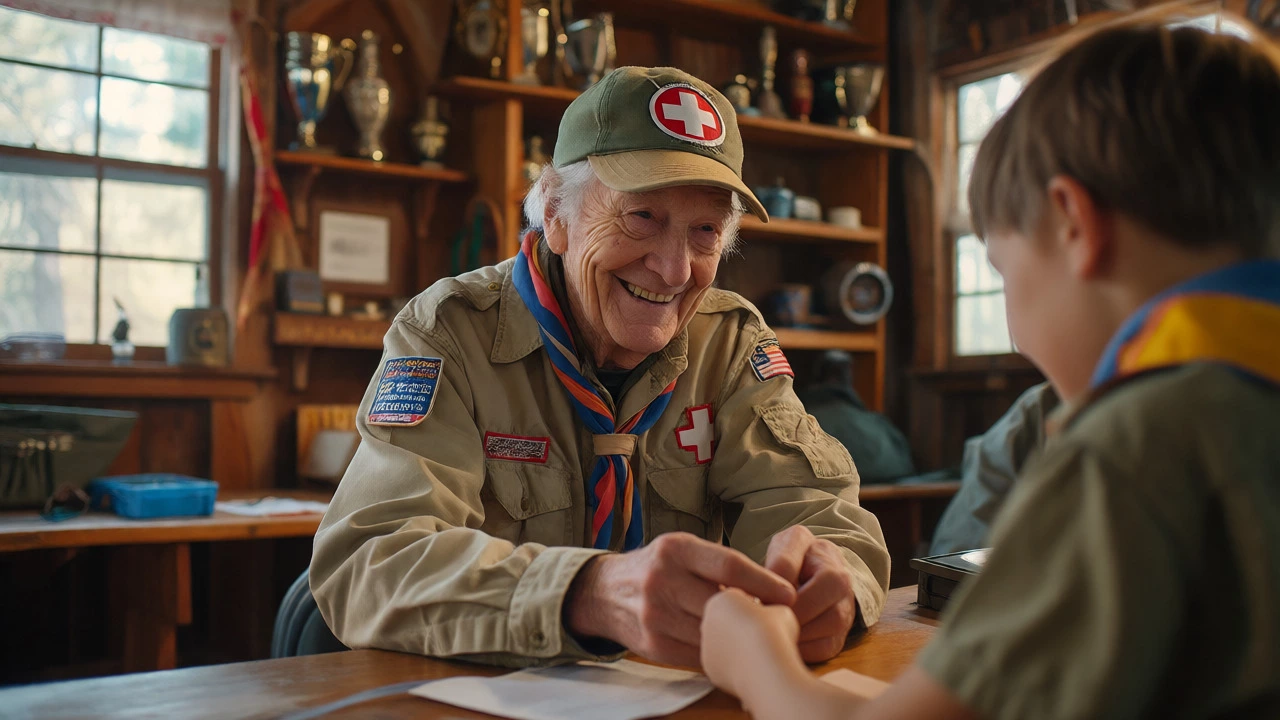
There’s also the factor of community continuity. Many volunteers in these organizations are former members. This intergenerational connection creates a stable support network. A parent dropping their child off at a Scout hall might run into their own old troop leader. This sense of place and history provides emotional grounding for families moving between cities or struggling with isolation.
Furthermore, the cost barrier is relatively low compared to elite sports academies. While uniforms and camp fees exist, the volunteer-heavy model keeps entry costs manageable. Scholarships and hardship funds are common, ensuring that financial status doesn't strictly dictate participation.
Modern Challenges and Adaptations
Traditional doesn't mean stagnant. Both Scouting and Guiding have faced criticism regarding inclusivity and relevance. Historically, these groups struggled with gender segregation and rigid definitions of faith. Today, they are actively dismantling these barriers. Most UK troops are now fully inclusive, welcoming LGBTQ+ members and adapting religious requirements to be optional or secular-friendly.
Digital integration is another major shift. During the pandemic, many groups moved online, proving that the community bond could survive Zoom calls. Now, hybrid models are emerging. Apps track badges digitally, and virtual camps allow international collaboration without travel costs. However, the core promise remains physical presence. You can’t learn to light a fire via video call, which is why post-pandemic enrollment has surged as parents seek tangible experiences for their kids.
Another adaptation is the focus on mental health. Modern programs explicitly teach emotional literacy. Badge work now includes modules on anxiety management and mindfulness, reflecting the growing awareness of youth psychological well-being. This aligns with broader societal shifts, making the traditional structure feel fresh and responsive rather than outdated.
How to Evaluate a Local Chapter
If you’re considering joining a traditional youth organization, don’t just sign up blindly. Visit a session. Talk to the leaders. Ask these questions:
- What is the ratio of adults to children? Safety guidelines usually require strict ratios (e.g., 1:10 for younger ages). Ensure they meet legal standards.
- How do they handle inclusion? Ask specifically about neurodiversity and disability accommodations. Good chapters have trained staff to support ADHD or autistic members.
- What is the volunteer commitment? Traditional groups rely on parents helping out. Know what’s expected before you join so you don’t burn out.
- Is there a clear progression path? Look for a transparent badge system or advancement plan so your child sees tangible goals.
In Bristol, for example, the density of groups varies by neighborhood. Some urban troops struggle with space for outdoor activities, relying more on indoor workshops. Rural troops might have great facilities but fewer volunteers. Matching the group’s capacity to your family’s needs is crucial for long-term satisfaction.
Are traditional youth organizations only for boys or girls?
Not anymore. While historically segregated, most modern branches of Scouting and Guiding are fully co-educational. In the UK, the Scout Association has been open to all genders since 1991, and Girlguiding is exclusively for girls but works closely with Scouts on joint events. The trend globally is toward inclusivity, allowing any young person to join regardless of gender identity.
Do these organizations require religious affiliation?
No. Although the original Promise included a duty to God, modern interpretations allow for secular alternatives. Many organizations now offer versions of the Promise that omit religious references entirely, focusing instead on duty to oneself, others, and the environment. This makes them accessible to atheist, agnostic, and diverse religious families alike.
What skills do children actually gain from joining?
Beyond obvious outdoor skills like camping and first aid, members develop soft skills highly valued in the workplace: teamwork, leadership, public speaking, and problem-solving under pressure. Studies suggest that former Scouts and Guides often show higher levels of civic engagement and resilience in adulthood compared to peers who did not participate in structured youth groups.
How much does it cost to join a traditional youth organization?
Costs vary significantly by location and unit. Generally, annual membership fees range from £30 to £100 per child in the UK, covering insurance and national registration. Additional costs come from uniforms, weekly dues (often £5-£10), and occasional trips. Many units offer subsidies or payment plans for families facing financial hardship, ensuring accessibility remains a core value.
Can adults join these organizations too?
Yes, primarily as volunteers. Adults can become section leaders, assistant leaders, or trustees. There is no upper age limit for volunteering, provided you pass background checks (DBS in the UK). Volunteering offers a way to give back to the community, develop new skills, and stay active. Some organizations also have adult-only branches or alumni networks for former members.