
Car Sleeping Legal Status Checker
Check if sleeping in your car is legal in your location and learn about safety regulations.
Select a location and click "Check Legal Status" to see if sleeping in your car is legal.
People sleep in their cars for all kinds of reasons. Maybe they lost their job. Maybe rent went up too fast. Maybe they’re between homes. It’s not a choice most people make lightly - but for over 1.5 million Americans in 2025, it’s the only option. And with housing costs still climbing, more people are asking: Is it bad to sleep in your car? The answer isn’t simple. It’s not just about comfort. It’s about safety, legality, and what happens when there’s nowhere else to go.
Is sleeping in your car actually dangerous?
Yes - but not because of the car itself. The real risks come from what’s outside it.
Carbon monoxide poisoning is one of the deadliest threats. If you leave your engine running to stay warm, fumes can build up inside the vehicle, especially if the exhaust is clogged or the car is parked in an enclosed space like a garage. Between 2018 and 2024, over 200 deaths in the U.S. were linked to carbon monoxide from vehicles used for sleeping. You don’t need to run the engine. A battery-powered heater or thermal blanket is safer.
Weather is another silent killer. In winter, temperatures inside a car can drop below freezing even if it’s just 40°F outside. In summer, a parked car can hit 120°F in under an hour. People have died from heatstroke and hypothermia while sleeping in vehicles. There’s no insulation. No thermostat. No way to regulate it.
And then there’s safety. Sleeping in a car makes you vulnerable. You’re exposed. You can’t lock yourself in securely. Thieves target parked vehicles with people inside. In cities like Los Angeles, Phoenix, and Seattle, reports of car break-ins targeting people sleeping inside have increased by 37% since 2023. Some shelters report that nearly half of the people they serve were sleeping in their cars before coming in.
Where can you legally sleep in your car?
There’s no federal law banning sleeping in your car. But every city, county, and state has its own rules - and most of them are confusing, inconsistent, and often enforced unfairly.
In some places, like Portland, Oregon, and Austin, Texas, it’s legal to sleep in your car as long as you’re not blocking traffic or violating parking rules. In others, like Miami, Florida, or Nashville, Tennessee, it’s outright illegal to sleep in a vehicle on public streets - even if you’re not driving.
Rest areas along highways are often the safest bet. Most states allow overnight parking for rest, and some even have designated sleeping zones. But even there, rules change. In California, you can stay up to 8 hours. In New York, you’re limited to 4. And in some states, like Georgia and Alabama, rest areas ban overnight stays entirely.
Walmart, Cracker Barrel, and some 24-hour gas stations allow it - but it’s not a right. It’s a courtesy. And store managers can ask you to leave at any time. No warning. No explanation.
What do homeless shelters really offer?
If sleeping in your car feels unsafe or illegal, shelters aren’t just a backup - they’re often the only real alternative. But not all shelters are the same.
Some shelters have strict rules: no pets, no partners, no belongings, no daytime access. Others require proof of income loss, a referral, or even a background check. In 2025, nearly 60% of shelters in major U.S. cities still have gender-separated dorms, meaning couples can’t stay together. That pushes people back into their cars.
But many shelters now offer more than just a bed. In cities like Denver and Minneapolis, shelters provide:
- Free showers and laundry
- Storage for personal items
- Case managers who help with job applications and housing vouchers
- 24-hour access for people who can’t sleep at night due to trauma or anxiety
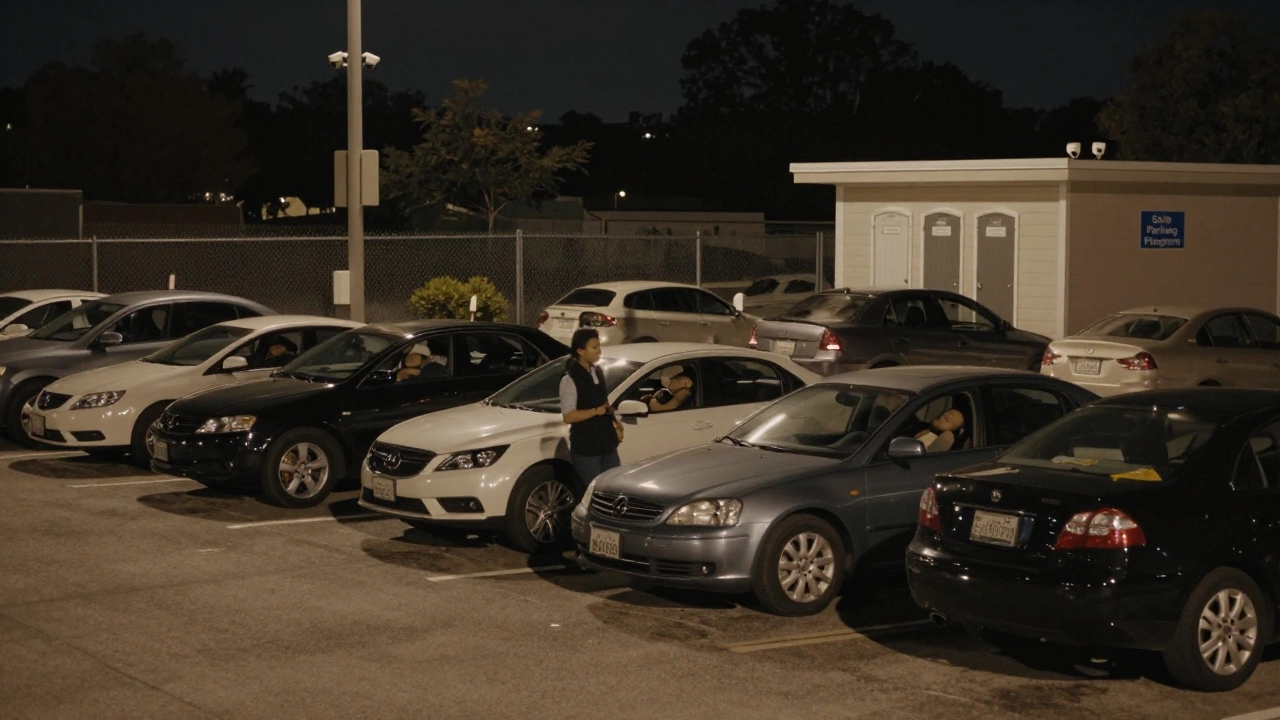
And some, like the San Francisco Safe Parking Program, don’t push people out of their cars - they help them stay safe in them. They provide designated parking lots with security, electricity, restrooms, and access to social workers. Over 1,200 people used these lots in 2025. Not everyone wants to leave their car. And that’s okay.
Why do people choose their cars over shelters?
It’s not about preference. It’s about control.
One woman in Phoenix told a local news reporter she slept in her Honda for eight months because the shelter didn’t allow her dog. Her dog was her only emotional support. She didn’t want to risk losing him.
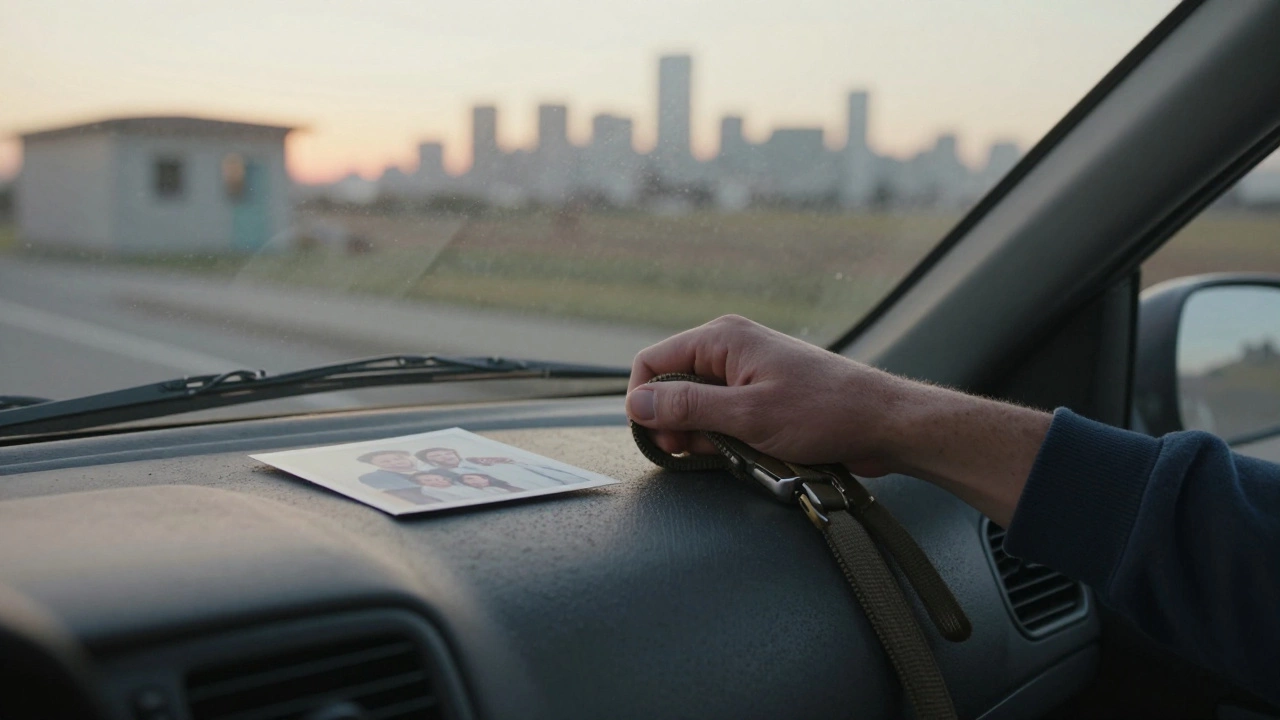
Another man in Detroit said he’d rather sleep in his truck than go to a shelter where staff searched his bags every night. He had papers, photos, and a small amount of cash - all he had left. He didn’t trust anyone with them.
People with mental health conditions, PTSD, or histories of abuse often avoid shelters because they’ve been mistreated before. Others are afraid of losing their belongings. Or being separated from their children. Or being forced into a schedule they can’t follow.
Shelters are trying to change. But the system still isn’t built for everyone. And until it is, sleeping in a car remains a survival tactic - not a lifestyle.
What can you do if you’re sleeping in your car?
If you’re in this situation, here’s what actually helps:
- Don’t run the engine. Use a battery-powered heater or thermal liner. Keep a window cracked slightly for air.
- Park smart. Choose well-lit, busy areas. Avoid alleyways, under bridges, or near dumpsters.
- Keep essentials with you. ID, medical records, phone charger, water, snacks. Store them in a waterproof bag under your seat.
- Know your rights. In most places, police can’t wake you up just for sleeping in your car unless you’re violating a law - like parking in a no-towing zone or blocking traffic.
- Reach out. Call 211. It’s a free, nationwide service that connects people to local shelters, food, transportation, and legal aid. No judgment. No questions asked.
Is there a better way?
The truth is, no one should have to sleep in their car. Not because it’s uncomfortable - but because it’s a sign that the system failed.
More cities are starting to recognize this. In 2025, six states passed laws that protect people from being ticketed for sleeping in their vehicles if no shelter space is available. Oregon’s Safe Parking Act now funds 47 designated lots across the state. California allocated $85 million in 2024 to expand similar programs.
But these programs are still small. There are over 10,000 people sleeping in cars in Los Angeles alone - and only 1,200 safe parking spots. The gap is massive.
Shelters aren’t perfect. But they’re evolving. And they’re often the only bridge between homelessness and stability. If you’re sleeping in your car, don’t see it as failure. See it as a temporary state - and know that help exists. You just have to reach for it.
Is it illegal to sleep in your car?
It depends on where you are. There’s no federal law against it, but local laws vary widely. Some cities allow it in designated areas like rest stops or parking lots. Others ban it entirely on public streets. Always check local ordinances - and don’t assume it’s okay just because no one says otherwise.
Can police wake you up for sleeping in your car?
Police can only wake you up if you’re violating a law - like parking in a no-parking zone, blocking traffic, or trespassing. They can’t arrest you just for sleeping in your car. But they can ask you to move. If you’re polite and cooperative, most officers will give you time to find another spot.
What should I keep in my car if I’m sleeping in it?
Keep essentials like your ID, phone charger, water, non-perishable snacks, a flashlight, a thermal blanket, and any medical supplies. Store them in a sealed bag under your seat. Avoid leaving valuables visible. A locked glove compartment or trunk is best.
Are there shelters that let you keep your car?
Yes. Programs like the Safe Parking Program in California and similar initiatives in Portland, Seattle, and Denver allow people to park overnight in secure lots with access to restrooms, showers, and social services. These programs are growing - but still limited. Call 211 to find one near you.
How do I find help if I’m sleeping in my car?
Call 211. It’s a free, confidential service available 24/7 in every U.S. state. They connect you to local shelters, food banks, transportation, legal aid, and housing programs. You don’t need to explain your situation. Just say you need help finding a place to sleep safely.