
Texas Homelessness Policy Explorer
Select a city to view specific ordinance details, enforcement risks, and shelter capacity trends under the new state framework.
Austin
Strict Ban (Ordinance Q)Primary Enforcement
Fines and Arrests
Risk Level: HighShelter Availability
High Demand / Low Vacancy
What This Means For You
Sleeping in public parks or sidewalks is strictly prohibited. Police have clear authority to issue citations or make arrests. With low vacancy rates, finding immediate shelter may require waiting lists or displacement to outlying areas.
Legal Context & Rights
- Unpaid fines can lead to arrest warrants.
- Check for "Housing First" programs before accepting citations.
- Local ordinances vary; always verify specific street curfew zones.
You might have seen headlines about people being arrested for sleeping on the ground in Texas or heard whispers that shelters are turning people away. It’s confusing, right? One day you’re looking for a safe place to stay, and the next, there’s a new law changing the rules of engagement between city streets and government buildings. If you’ve been wondering exactly what is going on with the recent legislative changes regarding homelessness in the Lone Star State, you aren’t alone. The shift isn’t just about politics; it’s about where people sleep tonight and how communities respond to crisis.
The core of the issue revolves around a significant piece of legislation passed by the Texas state legislature, often referred to as Senate Bill 4 (SB 4), which fundamentally altered how cities can manage public spaces. But before we get into the legal jargon, let’s look at what this actually means for someone needing help right now. Does it mean you can’t sleep outside anymore? Does it mean shelters are full? Let’s break down the reality behind the headlines.
The Core Change: From Voluntary to Mandatory
For years, many Texas cities operated under what was essentially a "voluntary" model. You could sleep on a sidewalk if you wanted, provided you weren’t blocking traffic or causing a disturbance. Police would generally issue warnings rather than tickets. The new approach flips this script. Under the updated framework, local governments are empowered-and in some cases pressured-to enforce stricter bans on camping in public areas. This includes parks, sidewalks, and even under bridges.
Why did this change happen? Proponents argue that unmanaged encampments create health hazards, block access to businesses, and make downtown areas feel unsafe for everyone. They claim that mandatory compliance forces individuals to seek structured support rather than remaining in transient states. Critics, however, point out that enforcement without sufficient alternative housing creates a cycle of fines and jail time that makes getting back on your feet nearly impossible. It’s a classic debate of order versus compassion, but the practical outcome is clear: the tolerance for visible homelessness has dropped significantly.
What Is Senate Bill 4 and How Does It Work?
To understand the current landscape, you need to know about Senate Bill 4, a Texas law enacted to address urban homelessness by restricting public camping and mandating coordination between state agencies and local shelters. This bill didn’t just suggest new rules; it tied funding and legal authority to them. Essentially, if a city wants certain state resources or faces less scrutiny from the Attorney General’s office, it needs to demonstrate that it is actively managing its homeless population through enforcement and shelter placement.
Here is the mechanism in simple terms:
- Camping Bans: Cities can pass ordinances that prohibit sleeping or setting up tents in public places.
- Enforcement Authority: Local police gain clearer legal backing to cite or arrest individuals violating these bans.
- Shelter Coordination: There is a stronger push for cities to work with non-profit shelters to ensure beds are available, though availability remains a major bottleneck.
- Data Reporting: Municipalities must report data on their homeless populations, which influences future state funding allocations.
It’s not a single federal mandate that applies identically everywhere. Houston, Dallas, Austin, and San Antonio each implement these rules differently based on their local ordinances. However, the pressure from the state level ensures that most major Texas cities are moving toward stricter enforcement models.
The Shelter Capacity Crisis
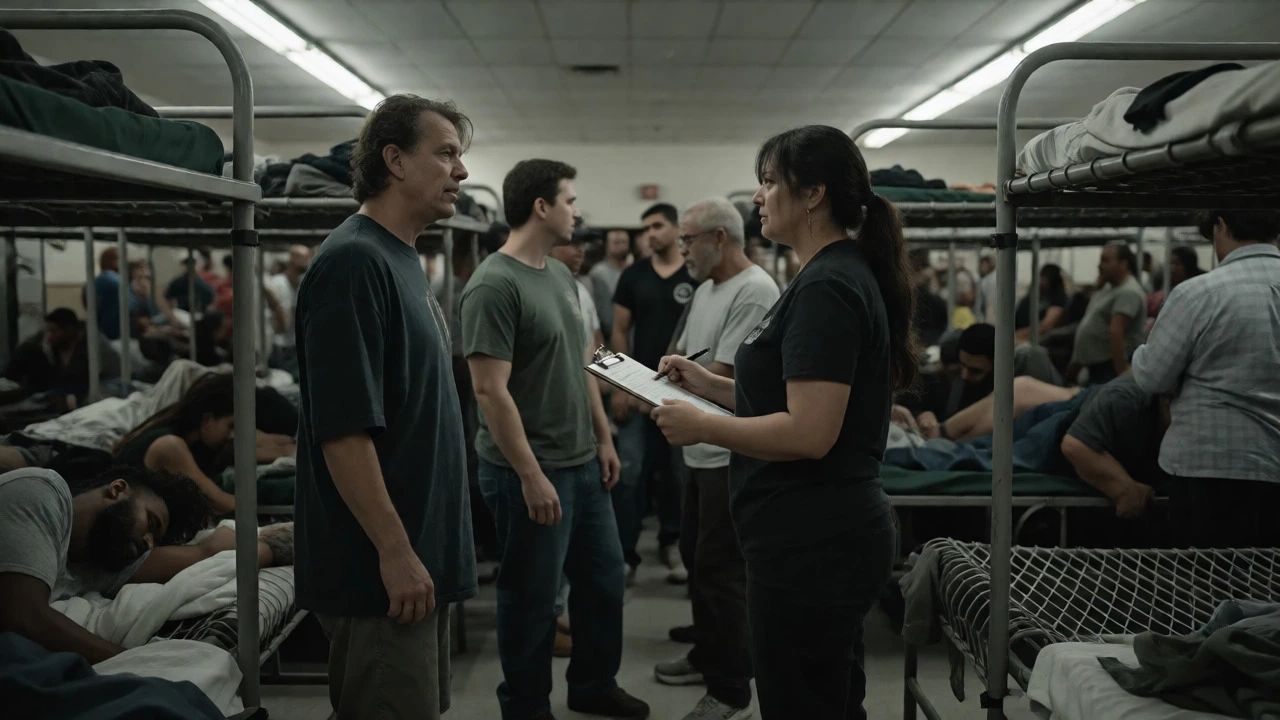
Here is the biggest problem with enforcing camping bans: where do people go when they are told they can’t sleep outside? Ideally, they go to a shelter. In reality, many Texas shelters are operating at or over capacity. When a police officer tells someone they cannot camp on Main Street, but the nearest shelter has a three-month waiting list, the person doesn’t disappear. They move to a different street, a parking lot, or a rural area outside city limits.
This displacement effect is well-documented. When one encampment is cleared, another often pops up a few blocks away. Without rapid re-housing programs-which are expensive and require long-term commitment-sheltering becomes a revolving door. A person sleeps in a shelter for 30 days, gets kicked out due to policy violations or lack of space, and returns to the streets only to be cited again. This cycle drains resources and fails to address the root causes of homelessness, such as mental health issues, addiction, or lack of affordable workforce housing.
| City | Camping Ban Status | Primary Enforcement Method | Shelter Availability Trend |
|---|---|---|---|
| Austin | Strict Ban (Ordinance Q) | Fines and Arrests | High Demand / Low Vacancy |
| Houston | Partial Restrictions | Civil Citations | Moderate Increase in Beds |
| Dallas | Public Space Restrictions | Warning then Citation | Strained Capacity |
| San Antonio | Designated Areas Only | Relocation Assistance | Stable but Limited |
Impact on Vulnerable Populations
Who gets hit hardest by these laws? It’s rarely the person who can afford a motel room for a week while they sort out paperwork. The burden falls disproportionately on those with severe mental illness, veterans with PTSD, and families fleeing domestic violence. For individuals experiencing chronic homelessness, a citation for camping can lead to a warrant for failure to appear in court. Missing one court date because you were sick or had no transportation can turn a minor infraction into a serious legal record, making it harder to find employment or housing later.
Consider the case of a veteran in Fort Worth. He loses his job due to an injury, runs out of savings, and starts sleeping in his car. Under the old norms, he might have stayed in a park until he found work. Now, he risks having his vehicle towed or being fined $500-a sum he doesn’t have. That debt follows him, preventing him from renting a cheap apartment. The law, intended to encourage stability, inadvertently creates new barriers for those already struggling.
How Cities Are Responding
Not all cities are reacting the same way. Some are doubling down on enforcement, hiring more outreach teams to clear camps daily. Others are trying to balance the scales by investing in "bridge housing"-temporary units that provide a roof without the strict rules of traditional shelters. These units are crucial because they offer dignity and safety without requiring sobriety or immediate employment, which are common prerequisites in older shelter models.
Moreover, there is a growing trend toward decentralized services. Instead of one giant shelter building, cities are using hotels, motels, and tiny home villages. This approach reduces the stigma associated with large institutional shelters and allows for better integration into neighborhoods. However, these solutions are costly. Who pays for them? Often, it’s a mix of state grants, federal HUD funds, and private donations. With the new law emphasizing state control, local donors may feel uncertain about where their money goes, leading to potential dips in charitable giving if trust erodes.
What This Means for Donors and Volunteers
If you live in Bristol, England, you might wonder why you should care about Texas laws. But the principles are universal. When laws criminalize poverty, the demand for emergency services spikes. For volunteers and donors, this means two things:
- Higher Volume of Clients: Shelters see more people cycling through due to displacement from banned areas.
- Need for Legal Aid: More people need help fighting citations and clearing warrants, so legal aid organizations become critical partners.
If you support homeless charities, check if they have legal advocacy arms. Supporting organizations that provide both a bed and a lawyer is more effective now than ever. Also, look for groups focusing on "housing first" initiatives, which prioritize getting people into permanent homes quickly, regardless of other issues. These models tend to survive political shifts better than temporary shelter expansions.
Future Outlook and Uncertainty
As we stand in late 2026, the dust hasn’t fully settled. Court challenges continue against various city ordinances, arguing that punishing people for being homeless violates constitutional rights. The Supreme Court recently weighed in on similar issues nationally, suggesting that cities cannot punish unavoidable conditions of life if no alternative exists. This legal ambiguity means that while enforcement is happening now, it could be rolled back if courts rule strictly in favor of individual rights.
For now, the safest bet for individuals in need is to connect with local outreach teams immediately. Don’t wait until you’re cited. Many cities offer mobile clinics and resource navigators who can help secure a spot in a shelter or transitional housing before the police arrive. Knowledge is power here: knowing your rights regarding search and seizure, and understanding local curfew zones, can prevent unnecessary legal trouble.
Is it illegal to sleep outside in Texas now?
It depends on the specific city ordinance. Most major Texas cities have passed camping bans that make sleeping in public parks, sidewalks, and certain streets illegal. While it may not be a felony, it is typically a misdemeanor or civil infraction punishable by fines or short jail sentences. Always check the local municipal code for your specific location.
Does the new law force people into shelters?
The law encourages shelter use by banning alternatives like camping, but it does not physically force entry unless specified by local health orders. However, in practice, if you are cited for camping and want to avoid further penalties, you are often directed to a shelter. Refusal to enter a shelter can still result in continued citations.
What happens if I can't pay the fine for camping?
Unpaid fines can lead to warrants for your arrest. This complicates matters because if you are stopped by police later, you could be taken into custody until you resolve the debt. Many jurisdictions allow community service hours to offset fines, but you usually need to request this option proactively.
Are shelters required to take everyone?
No, shelters are private or non-profit entities and can set their own admission criteria, such as sobriety requirements, pet policies, or gender restrictions. Additionally, physical capacity limits mean they cannot accept everyone who shows up. The new law pushes for better coordination, but it doesn't guarantee a bed for every individual.
How does this affect families with children?
Families often receive priority in shelter systems, but they also face unique challenges. Camping bans make it hard for families to stay together in one location if shelters separate genders or ages. Some cities have designated family encampment zones, but these are limited. Families frequently rely on motels paid for by emergency assistance funds, which are running low in many areas.