
Ecological Groups & Energy Pyramid Simulator
Ecosystem Parameters
Adjust the biomass of producers to see how energy flows through the ecosystem based on the 10% rule.
Trophic Level Analysis
Tertiary
Secondary
Primary
Producers
Test Your Knowledge
Score: 0/3Question goes here...
Imagine walking through a dense forest in Bristol. You see towering oak trees, hear birds singing, and notice mushrooms growing on rotting logs. It looks like a peaceful scene, but underneath the surface, there is a complex system of energy transfer happening every second. This system relies on three specific types of organisms working together to keep the ecosystem alive. These are known as the three ecological groups: producers, consumers, and decomposers.
Understanding these groups isn't just about passing a biology test. It helps you grasp why your garden needs compost, why pesticides can harm birds miles away, and how climate change disrupts global food webs. If one group fails, the entire system collapses. Let’s break down exactly what each group does, who belongs to them, and how they connect.
The Producers: The Foundation of Life
Producers, also known as autotrophs, are the starting point for almost all life on Earth. They create their own food using energy from the sun or chemical sources. Without them, there would be no energy entering the biological system.
The most common producers are plants. Through a process called photosynthesis, plants take sunlight, carbon dioxide from the air, and water from the soil to create glucose (sugar) and oxygen. This glucose fuels their growth and provides the energy base for everything else that eats them.
But plants aren't the only producers. Algae in our oceans produce over half of the world's oxygen. Cyanobacteria, often called blue-green algae, were some of the first organisms to oxygenate the atmosphere billions of years ago. Even deep-sea vent bacteria act as producers by using chemicals from the earth's crust instead of sunlight-a process called chemosynthesis.
- Trees and Shrubs: Large, long-lived producers that store massive amounts of carbon.
- Grasses and Crops: Fast-growing producers that form the base of agricultural food chains.
- Phytoplankton: Microscopic marine producers that support ocean life.
If you remove producers, the energy flow stops immediately. Think of them as the solar panels of the natural world, capturing raw energy and converting it into a usable form for other living things.
The Consumers: The Energy Users
Consumers, or heterotrophs, cannot make their own food. They must eat other organisms to get the energy they need to survive, grow, and reproduce. This group is further divided based on what they eat.
Consumers are organized into trophic levels, which describe their position in the food chain. Understanding these levels helps explain why there are far more deer than wolves in a forest.
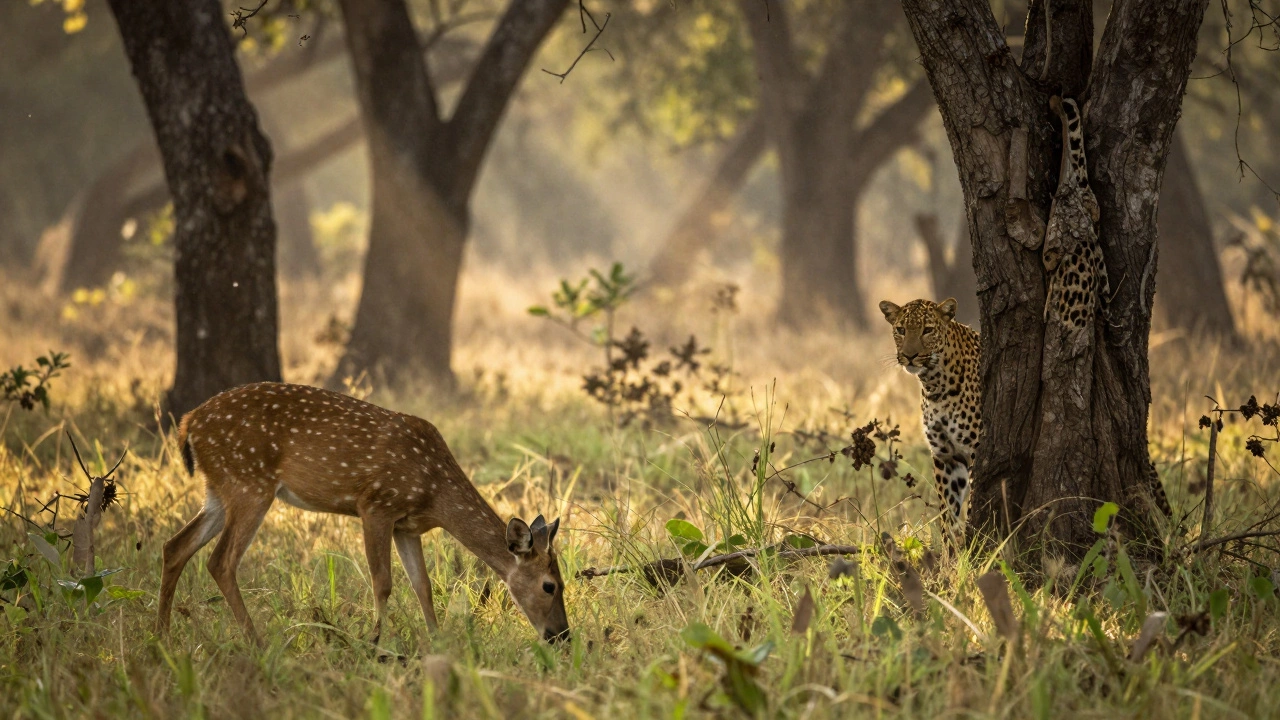
- Primary Consumers (Herbivores): These animals eat producers directly. Examples include rabbits eating grass, caterpillars munching on leaves, and zooplankton feeding on algae. They convert plant matter into animal tissue.
- Secondary Consumers (Carnivores/Omnivores): These organisms eat primary consumers. A frog eating a mosquito is a secondary consumer. So is a bear eating berries (omnivore) or a snake eating a mouse.
- Tertiary Consumers (Top Predators): These are at the top of the food chain. Lions, eagles, and sharks fall into this category. They have few natural predators and help control the populations of secondary consumers.
An important concept here is energy loss. Only about 10% of the energy from one trophic level passes to the next. The rest is lost as heat or used for metabolism. This is why ecosystems need vast areas of producers to support a small number of top predators. If you hunt a wolf, you're removing an organism that required thousands of pounds of plants to sustain its existence indirectly.
The Decomposers: Nature's Recyclers
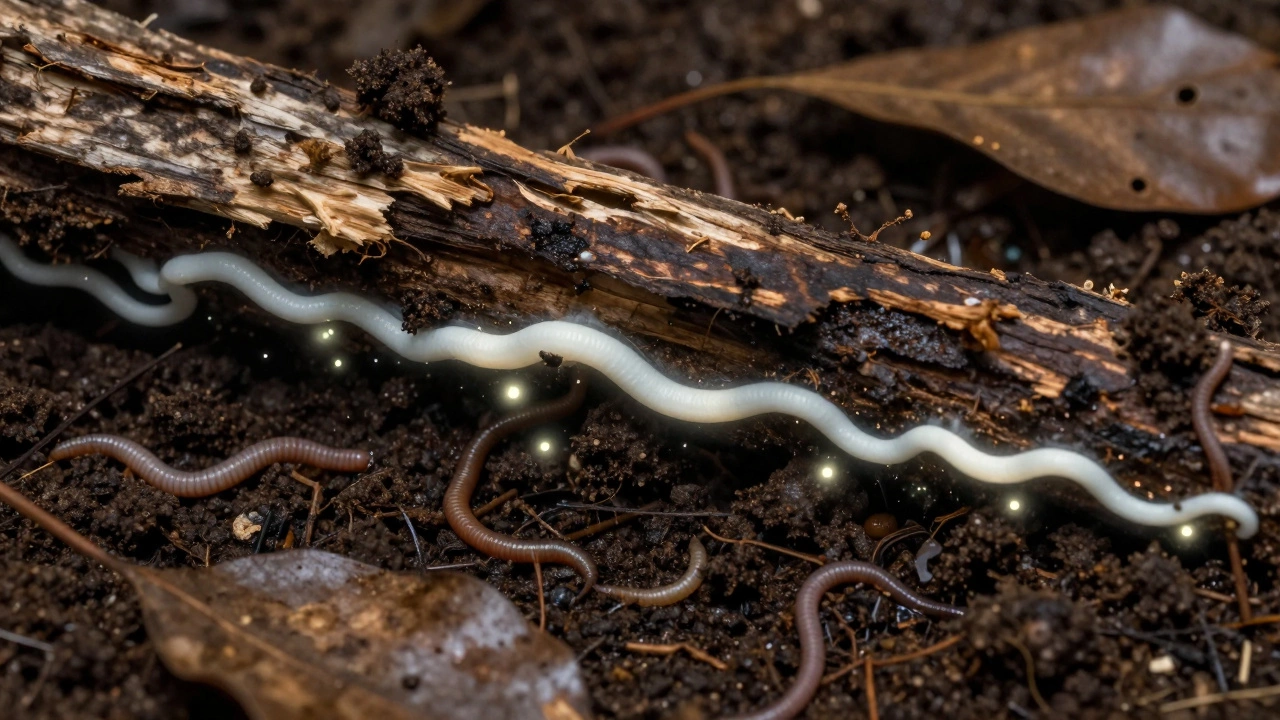
Decomposers are often overlooked, but they are arguably the most critical group. They break down dead organic matter-dead plants, animals, and waste products-and return nutrients to the soil and water.
Without decomposers, the world would be buried under layers of dead bodies and fallen leaves. Nutrients like nitrogen, phosphorus, and potassium would remain locked in dead tissue, unavailable for new growth. Decomposers unlock these nutrients, making them accessible again for producers.
This group includes fungi (like mushrooms and molds), bacteria, and detritivores (organisms that eat decaying matter, such as earthworms, vultures, and dung beetles). While fungi and bacteria do the chemical breakdown, detritivores physically break down larger pieces, increasing the surface area for microbes to work.
In urban environments, we mimic this role with composting. When you add kitchen scraps to a compost bin, you are creating a controlled environment for decomposers to work. The resulting compost enriches your garden soil, closing the loop between waste and new life.
How the Three Groups Connect
These three groups don't operate in isolation. They form a continuous cycle of energy and nutrients. Here is how they interact in a simple woodland ecosystem:
| Ecological Group | Role in Ecosystem | Example Organism | Key Interaction |
|---|---|---|---|
| Producer | Captures solar energy | Oak Tree | Creates leaves eaten by insects |
| Consumer | Transfers energy | Woodpecker | Eats insects; drops waste and eventually dies |
| Decomposer | Recycles nutrients | Fungi/Bacteria | Breaks down woodpecker remains; releases nitrogen for oak tree |
This cycle ensures sustainability. The oak tree grows because fungi released nutrients from old wood. The woodpecker survives because the tree hosts insects. The fungi thrive because the woodpecker and tree provide dead matter. Disrupting any part of this chain has ripple effects. For example, if pollution kills the fungi, the soil becomes nutrient-poor, the trees weaken, insect populations drop, and the woodpeckers starve.
Why This Matters for Environmental Conservation
Recognizing these three ecological groups changes how we view conservation efforts. It’s not just about saving charismatic animals like tigers or pandas. It’s about protecting the entire web.
When we clear-cut forests, we remove producers. This leads to soil erosion because there are no roots to hold the earth, and fewer nutrients are cycled back by decomposers due to lack of leaf litter. When we overfish, we remove key consumers, causing algal blooms because herbivorous fish are gone to eat the algae. When we use excessive antibiotics in agriculture, we harm beneficial soil bacteria, reducing decomposition efficiency.
Effective environmental policy considers all three groups. Reforestation projects must include native plant species (producers) that support local wildlife (consumers) and maintain healthy soil microbiomes (decomposers). Urban planning should include green spaces that allow these interactions to continue even in cities.
Common Misconceptions About Ecological Groups
People often misunderstand how these groups function. Here are a few clarifications:
- Misconception: "Plants don't eat anything."
Reality: While most plants are strict producers, some like Venus flytraps are carnivorous. They still photosynthesize but supplement their nutrient intake (especially nitrogen) by digesting insects. They are primarily producers with secondary consumer traits. - Misconception: "Scavengers are decomposers."
Reality: Vultures and hyenas are scavengers, which makes them consumers (specifically detritivores/carrion feeders). True decomposers like bacteria and fungi absorb nutrients externally after breaking down matter chemically. Scavengers ingest matter internally. - Misconception: "Energy flows in a circle."
Reality: Energy flows in one direction: Sun → Producer → Consumer → Heat Loss. Nutrients, however, cycle in a circle thanks to decomposers. Confusing energy flow with nutrient cycling is a common error.
Next Steps for Learning More
If you want to deepen your understanding, start observing your local environment. Look at a pile of leaves in autumn. Identify the producers (the trees), the consumers (insects hiding inside), and the decomposers (mold and worms). Notice how quickly the material breaks down in wet conditions versus dry ones.
You can also explore concepts like biodiversity indices, which measure the variety within each ecological group. High biodiversity usually means a more resilient ecosystem capable of withstanding shocks like disease or climate fluctuations. Reading up on keystone species will also show you how certain consumers or producers hold disproportionate power in maintaining ecosystem structure.
Are humans considered producers, consumers, or decomposers?
Humans are strictly consumers. We are omnivores, meaning we eat both plants (primary consumption) and animals (secondary or tertiary consumption). We cannot photosynthesize, so we rely entirely on other organisms for energy. While we create waste that decomposers break down, we do not perform decomposition ourselves.
Can an organism belong to more than one ecological group?
Yes, many organisms blur the lines. Bear species are omnivores, acting as primary consumers when eating berries and secondary consumers when fishing. Some bacteria are mixotrophic, meaning they can photosynthesize like producers but also consume organic matter like consumers depending on available resources. However, for classification purposes, we usually assign them to the group that describes their primary energy source.
Why are decomposers sometimes called 'reducers'?
The term 'reducers' refers to their role in reducing complex organic molecules into simpler inorganic substances. They break down proteins into amino acids and then into ammonia, cellulose into sugars, and fats into fatty acids. This reduction process releases essential minerals back into the soil or water, making them available for uptake by plant roots.
How does climate change affect these three ecological groups?
Climate change disrupts the timing and availability of resources for all three groups. Warmer temperatures may cause plants to bloom earlier, mismatching the arrival of migratory consumers who rely on them for food. Droughts stress producers, reducing biomass. Changes in precipitation patterns can either accelerate or slow down decomposition rates, altering nutrient cycles and potentially releasing stored carbon back into the atmosphere faster than plants can absorb it.
What happens if there are too many consumers in an ecosystem?
Overpopulation of consumers leads to overgrazing or overpredation. If herbivores outnumber the regenerative capacity of plants, vegetation cover declines, leading to soil erosion and habitat loss. Eventually, the consumer population crashes due to starvation. This is why predators (top consumers) are vital-they keep herbivore populations in check, ensuring sustainable grazing levels.