
Charity Ball Fundraising Estimator
Estimate how much your charity ball could raise based on ticket sales, auctions, and sponsorships. Enter realistic numbers to see potential revenue from different fundraising channels.
A charity ball isn’t just a fancy party with dancing and fancy dresses. It’s a carefully planned night designed to raise money for people who need it most. Think of it as a night out that does real good - where every ticket sold, every silent bid placed, and every toast made helps fund food, shelter, education, or medical care for others.
What Exactly Is a Charity Ball?
A charity ball is a formal fundraising event, usually held in the evening, where guests pay to attend and enjoy dinner, music, dancing, and sometimes live entertainment. The goal isn’t just to have a good time - it’s to collect donations. These events often take place in hotels, historic mansions, or banquet halls, and they’re organized by nonprofits, community groups, or foundations.
Unlike a regular gala, a charity ball has a clear purpose: to turn celebration into support. The money raised goes directly to a cause - like helping children in need, supporting cancer research, or providing housing for homeless families. Organizers work hard to make the night feel special so people are willing to spend hundreds - sometimes thousands - on tickets and donations.
How Do Charity Balls Raise Money?
There’s more to a charity ball than just buying a ticket. Most events use several ways to bring in cash:
- Ticket sales - Guests pay anywhere from £50 to £500 per person, depending on the event’s scale and location.
- Live auctions - Items like vacation packages, signed memorabilia, or even a dinner with a local celebrity are auctioned off. Bidding gets intense, and prices often jump way above retail value.
- Silent auctions - Guests browse tables with donated goods and write down bids on paper sheets. Winners pay at the end of the night.
- Donation drives - A speaker shares a powerful story, then guests are asked to raise their paddles to give extra - often with a text-to-donate option.
- Sponsorships - Local businesses pay to have their name on programs, banners, or tables. In return, they get visibility and goodwill.
Some charity balls even include a “fund-a-need” moment - where the host says, ‘We need £10,000 to feed 500 families this winter. Can we count on you?’ People then stand up and pledge amounts. It’s emotional, personal, and surprisingly effective.
Who Organizes These Events?
Charity balls are usually run by nonprofit organizations, but they rely on volunteers and local supporters. A small team might handle logistics, while dozens of community members donate time, food, flowers, or auction items.
In Bristol, for example, the annual Riverbank Gala is put together by a group of retired teachers, local business owners, and a few high school students who help with decorations. They’ve raised over £200,000 in five years for youth mental health programs. That’s not luck - it’s planning.
Often, a board or committee manages the event. They pick a cause, find a venue, secure sponsors, and recruit a host. Many events have a celebrity guest - maybe a local athlete, actor, or even a mayor - to draw attention and media coverage.

What Do Guests Wear?
Unless it’s labeled as ‘black tie optional,’ you’re expected to dress up. Men wear tuxedos or dark suits with ties. Women wear evening gowns, cocktail dresses, or elegant suits. The dress code isn’t just for show - it signals that this isn’t a casual fundraiser. People are more likely to open their wallets when the atmosphere feels special.
Some charity balls even have dress themes - ‘Roaring Twenties,’ ‘Hollywood Glamour,’ or ‘Masquerade.’ These themes make the event memorable and encourage people to spend more on costumes, which often leads to bigger donations.
What Happens During the Night?
A typical charity ball follows a rhythm:
- Reception - Guests arrive, sip champagne, browse silent auction tables, and mingle.
- Dinner - A plated meal is served, often with local chefs or caterers donating their services.
- Speeches - A beneficiary shares their story. This is the emotional core of the night.
- Auction - Live and silent auctions take place. Sometimes a professional auctioneer leads the bidding.
- Dancing and entertainment - A band or DJ plays. People dance, take photos, and keep giving.
- Thank you and closing - The host thanks everyone, shares how much was raised, and announces next year’s date.
It’s not just about the money - it’s about connection. People leave feeling like they were part of something meaningful. That’s why many return year after year.
Why Do People Attend?
Some come for the food. Others for the music. But most come because they believe in the cause. Many attendees have a personal link - maybe a family member was helped by the charity, or they lost someone to the disease being fought.
Business owners attend to build relationships and show community leadership. Young professionals see it as a networking opportunity - but one with heart. And for older guests, it’s a chance to stay connected, give back, and feel useful.
It’s not about showing off. It’s about showing up.
How Is It Different From Other Charity Events?
Charity balls stand out because of their formality and scale. A bake sale raises money, sure - but it doesn’t bring in £50,000 in one night. A 5K run gets people moving, but it doesn’t offer a three-course meal with live jazz.
Charity balls are high-touch, high-value events. They require more planning, more money upfront, and more resources - but they also bring in more cash. One study from the UK Charity Commission found that formal fundraising events like charity balls raise, on average, 3.5 times more per attendee than casual events like car washes or raffles.
They’re also more likely to attract major donors. People who give £10,000 to a cause don’t usually do it at a street fair. They do it at a ball, where they’re treated like VIPs and their name is printed in the program.
What Should You Know Before Going?
If you’ve been invited to your first charity ball, here’s what you need to know:
- Check the dress code - don’t show up in jeans, even if you think it’s ‘casual fancy.’
- Bring a credit card - many silent auctions only accept card payments.
- Don’t feel pressured to bid - but do consider giving even a small amount. Every pound counts.
- Stay for the whole event - the live auction and donation push often happen near the end.
- Ask how the money will be used. Reputable charities will tell you exactly what your donation buys.
And if you’re thinking of organizing one? Start small. Pick one cause. Partner with a local venue that offers discounts. Ask friends to donate items for the auction. You don’t need a big budget - just big heart and a clear plan.
Real Impact, One Night at a Time
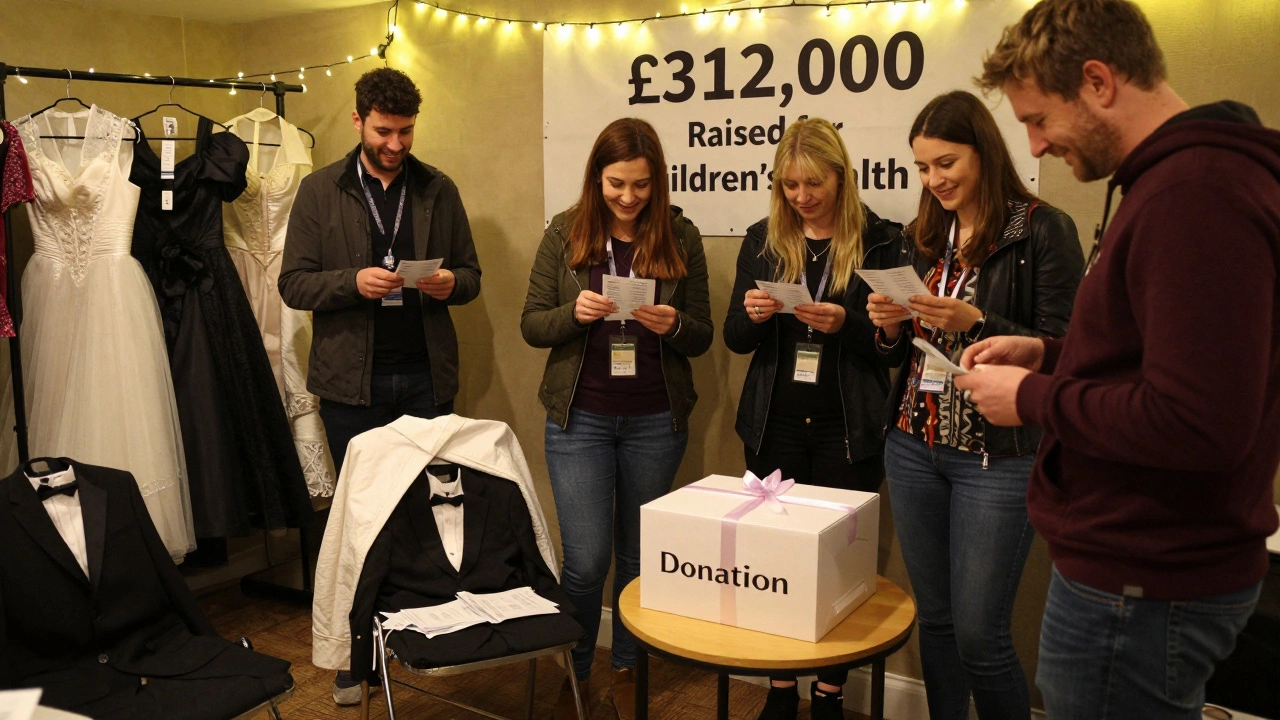
In 2024, the Bristol Children’s Hospital Charity Ball raised £312,000. That money bought 12 new incubators, funded 500 hours of child psychology sessions, and paid for transportation for families living miles away. All from one evening.
That’s the power of a charity ball. It turns a night of elegance into a lifeline. It’s not just about glitter and gowns. It’s about people coming together - not to show off, but to lift each other up.
Are charity balls only for wealthy people?
No. While some charity balls have high ticket prices, many offer lower-cost options like ‘young professionals’ tickets, group discounts, or even free entry with a donation. Some even let you attend the auction only, without dinner. The goal is to include as many people as possible - not just those who can afford luxury.
How much of the money raised actually goes to the cause?
Reputable charities aim to spend at least 75% of funds directly on programs. Top performers exceed 85%. Always check the charity’s annual report or ask for their financial breakdown. If an event doesn’t disclose this, it’s a red flag.
Can I volunteer instead of paying to attend?
Absolutely. Many charity balls rely on volunteers for setup, serving, auction monitoring, and cleanup. Contact the organizing group ahead of time - they often welcome help, even if you can’t afford a ticket.
Do charity balls still work in the digital age?
Yes - and they’re even more powerful now. While online fundraising is growing, in-person events build trust and emotional connection. People give more when they hear a real story face-to-face. Many charities now combine live balls with virtual auctions to reach global donors.
What if I can’t attend - can I still support the event?
Definitely. Most events accept online donations, sponsorships, or auction item donations. You can also share the event on social media or encourage friends to attend. Even a small post can help someone learn about the cause.