
Community Engagement Strategy Builder
Answer these questions to assess your current approach and get personalized recommendations.
Your Engagement Score
Complete the assessment to see your score and recommended actions.
You are currently focusing on broadcasting information. This is a great start for awareness, but moving towards interaction will build deeper loyalty.
Recommended Next Steps:
Have you ever walked through a neighborhood festival and wondered how it all came together? Who organized the booths? Who made sure everyone felt welcome? That invisible glue holding everything together is community engagement. It’s not just about handing out flyers or posting on social media. It’s about building real, lasting connections between people, organizations, and the places they live.
Many people use the terms "engagement" and "outreach" interchangeably, but they actually serve different purposes. Understanding the difference can help you build stronger networks, whether you’re running a nonprofit, managing a local business, or just trying to make your street a better place to live. If you are looking for ways to connect with specific groups in urban areas, sometimes specialized directories like this resource show how niche communities organize themselves for accessibility and trust.
The Core Difference: Engagement vs. Outreach
Let’s clear up the confusion right away. Think of community outreach as one-way communication where an organization shares information with the public. It’s broadcasting. You send a message out-maybe a press release, a newsletter, or a flyer-and hope someone sees it. The goal is awareness. You want people to know what you do.
Community engagement, on the other hand, is two-way interaction that involves listening, collaborating, and acting together. It’s a conversation. You ask the community what they need, you listen to their feedback, and you adjust your plans accordingly. The goal is partnership. You want people to feel ownership over the outcome.
| Feature | Community Outreach | Community Engagement |
|---|---|---|
| Direction | One-way (Organization → Public) | Two-way (Organization ↔ Public) |
| Primary Goal | Awareness and Information | Collaboration and Trust |
| Timeframe | Short-term campaigns | Long-term relationships |
| Role of Community | Passive recipient | Active partner |
| Example | Sending a survey link | Hosting a town hall meeting |
Why Does This Matter?
You might think, "Does it really matter if I call it outreach or engagement?" Yes, it does. Here’s why: trust. In today’s world, people are skeptical of institutions. They don’t just want to be told what’s happening; they want to have a say. When you only do outreach, you risk being ignored. People tune out ads and generic emails. But when you engage, you build credibility.
Consider a local library planning a new youth program. If they just put up posters (outreach), they might get a few sign-ups. But if they invite teens to co-design the program (engagement), those teens will bring their friends. They’ll advocate for the library because they helped build it. That’s the power of shifting from telling to listening.
Key Strategies for Effective Outreach
Even though engagement is the gold standard, outreach still has its place. It’s the first step. You need to let people know you exist before you can talk to them. Here’s how to do it right:
- Meet people where they are: Don’t assume everyone checks email. Use local radio, community bulletin boards, or even word-of-mouth through trusted leaders.
- Keep messages simple: Avoid jargon. Speak in plain language. If you’re promoting a health clinic, say "Free check-ups available" instead of "Complimentary preventive care services offered."
- Use multiple channels: Post on social media, yes, but also print flyers for senior centers and visit local schools. Different groups consume information differently.
- Be consistent: One post won’t cut it. Regular updates keep you top-of-mind without being annoying.
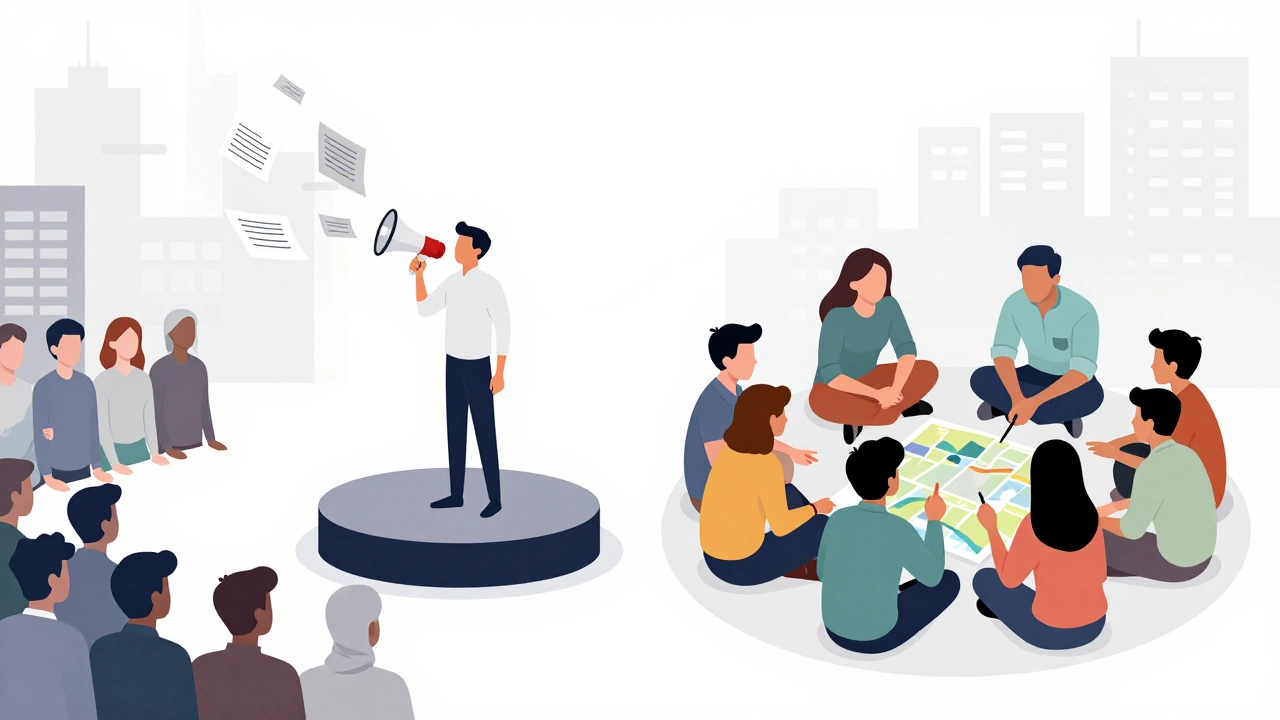
How to Build Real Engagement
Engagement takes more effort, but the payoff is huge. Here’s how to move beyond broadcasting:
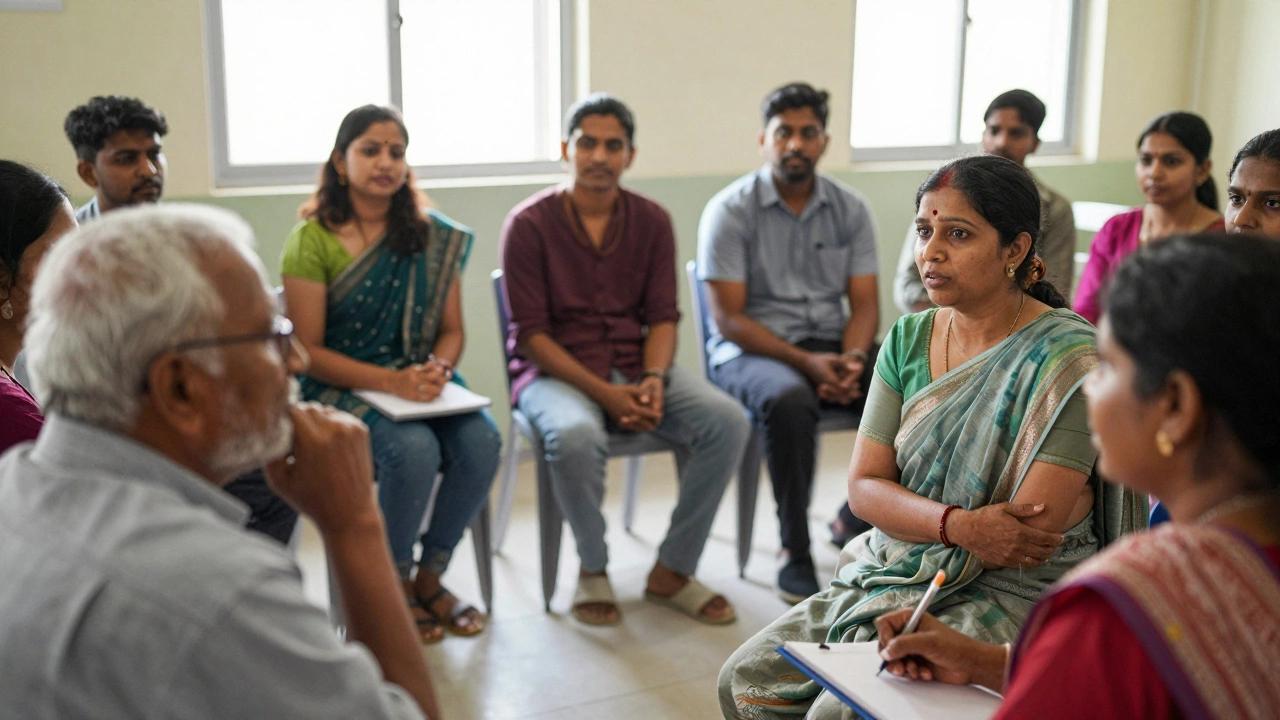
- Listen first: Before launching a project, hold listening sessions. Ask open-ended questions like, "What’s missing in our neighborhood?" or "What worries you most about this issue?"
- Create safe spaces: Make sure everyone feels comfortable speaking up. This means providing childcare at meetings, offering translation services, and choosing accessible locations.
- Show you heard them: After gathering feedback, share what you learned and how it changed your plan. If you didn’t change anything, explain why. Transparency builds trust.
- Involve diverse voices: Don’t just talk to the usual suspects. Reach out to renters, immigrants, young adults, and people with disabilities. Their perspectives are often overlooked but crucial.
- Follow through: Engagement isn’t a one-time event. Keep the dialogue going. Update stakeholders on progress and celebrate wins together.
Common Pitfalls to Avoid
Even well-meaning organizations stumble here. Watch out for these mistakes:
- Tokenism: Inviting someone to a meeting just to check a box, then ignoring their input. This damages trust faster than doing nothing at all.
- Overpromising: Saying you’ll solve every problem mentioned. Be realistic about what you can deliver. Underpromise and overdeliver.
- Ignoring digital divides: Assuming everyone has high-speed internet or a smartphone. Always offer offline options for participation.
- Measuring the wrong things: Counting likes and shares instead of actual behavior change or relationship depth. Metrics should reflect impact, not just visibility.
Tools and Tactics for Success
You don’t need a big budget to engage effectively. Start small and scale up:
- Surveys and Polls: Use free tools like Google Forms or SurveyMonkey to gather quick feedback. Keep surveys short-under five minutes.
- Focus Groups: Bring 6-10 people together for a deeper discussion. Provide snacks and a relaxed setting to encourage honesty.
- Advisory Boards: Create a standing group of community members who meet regularly to guide your strategy. Compensate them if possible.
- Storytelling: Share real stories from community members. Personal narratives resonate more than statistics.
- Partnerships: Collaborate with existing groups like churches, schools, or local businesses. They already have the trust you’re trying to build.
Measuring Your Impact
How do you know if your efforts are working? Look beyond vanity metrics. Track these indicators:
- Participation rates: Are more people showing up to events or responding to calls for input?
- Diversity of participants: Are you reaching underrepresented groups?
- Feedback quality: Are people sharing detailed, thoughtful comments rather than generic praise?
- Action taken: How many suggestions were implemented? This shows respect for community input.
- Relationship strength: Do community members initiate contact with you? Are they willing to volunteer time or resources?
Getting Started Today
You don’t need a perfect plan to begin. Pick one small action:
- Host a coffee chat with five neighbors.
- Ask for feedback on your next project via a simple text message campaign.
- Partner with a local influencer or respected elder to spread your message.
Remember, community engagement is a marathon, not a sprint. It requires patience, humility, and consistency. But when done right, it transforms isolated individuals into a cohesive, resilient network capable of tackling challenges together.
What is the main difference between community outreach and engagement?
Outreach is one-way communication aimed at raising awareness, while engagement is two-way interaction focused on building partnerships and co-creating solutions.
Why is community engagement important for organizations?
It builds trust, ensures programs meet actual needs, increases participation, and creates sustainable impact by involving the community in decision-making.
How can I start engaging with my community on a small scale?
Begin by hosting informal listening sessions, such as coffee chats or neighborhood walks, to understand local concerns before launching larger initiatives.
What are common mistakes in community engagement?
Tokenism (ignoring input after collecting it), overpromising results, failing to include diverse voices, and measuring success only by attendance numbers.
How do you measure the success of community engagement efforts?
Track participation diversity, quality of feedback received, number of suggestions implemented, and long-term relationship strength with community members.
Can online tools replace face-to-face community engagement?
No, online tools supplement but don't replace in-person interactions. Digital methods should always be paired with offline options to ensure inclusivity for those without reliable internet access.
Who should be involved in community engagement processes?
A diverse mix including residents, local business owners, school representatives, faith leaders, and marginalized groups to ensure all perspectives are considered.
How long does it take to build effective community engagement?
It varies, but meaningful engagement typically takes months to years of consistent effort. Trust is built slowly through repeated positive interactions and follow-through on commitments.