
The Environmental Impact Matcher
Which legendary environmentalist shares your spirit? Answer these three questions to find out who matches your approach to protecting the planet.
1. What is your primary tool for creating change?
2. Who do you most want to influence?
3. What defines your legacy?
The Global Youth Icon
You believe in direct action and holding power accountable. Like Thunberg, you don't wait for permission to act. You use visibility and moral clarity to shift the conversation instantly. Your strength lies in mobilizing people through urgent, undeniable facts delivered with passion.
Key Lesson: Don't offer hope; offer facts. Sometimes anger is the most honest response to crisis.
The Voice of Nature
You understand that people protect what they love. Like Attenborough, you use storytelling and media to create an emotional bridge between humanity and the natural world. You cross political divides by focusing on shared wonder and the beauty of biodiversity.
Key Lesson: Education through emotion creates lasting behavioral change better than dry statistics alone.
The Scientific Pioneer
You value evidence above all else. Like Carson, you are willing to face industry backlash if it means telling the truth. You believe that well-researched literature can change laws and save ecosystems. Your foundation is science, and your weapon is the written word.
Key Lesson: One well-written book or study can spark a global movement if the data is irrefutable.
The Legal Warrior
You see the connection between environment, peace, and democracy. Like Maathai, you believe in grassroots organizing and tangible local action. You empower communities to take ownership of their resources, understanding that saving the land often means saving rights.
Key Lesson: Environmentalism isn't just about nature; it's about social justice and community health.
If you throw a dart at a map of modern history and hit an environmentalist, a person who works to protect the natural world from human impact, you’re likely hitting one of three names. For many people today, that name is Greta Thunberg. For older generations, it might be Rachel Carson. And for nature lovers across the globe, it’s almost certainly David Attenborough.
But asking "who is the most famous" is tricky. Fame isn’t just about name recognition; it’s about influence, reach, and the ability to change how billions of people think about their planet. There isn’t one single winner because different activists dominate different spaces. Some own the news cycle, others own the documentary screen, and some own the scientific foundation we all stand on.
The Global Youth Icon: Greta Thunberg
When you ask a teenager in Berlin or Los Angeles who represents the fight against climate change, they won’t hesitate. They’ll say Greta Thunberg. She didn’t start with a PhD or a political office. She started with a sign. In August 2018, she sat outside the Swedish parliament, skipping school to demand action on global warming. That solitary protest sparked the Fridays for Future movement, which grew into millions of students striking worldwide.
Thunberg’s fame comes from her uncompromising tone. She doesn’t offer hope; she offers facts delivered with anger. Her speech at the UN Climate Action Summit in 2019-"How dare you!"-became a cultural meme instantly. It wasn’t just a quote; it was a shift in power dynamics. Suddenly, a teenager was scolding world leaders, and the world was listening. While critics argue her approach is too simplistic, her impact on public opinion is undeniable. She turned climate anxiety into a global conversation.
The Voice of Nature: David Attenborough
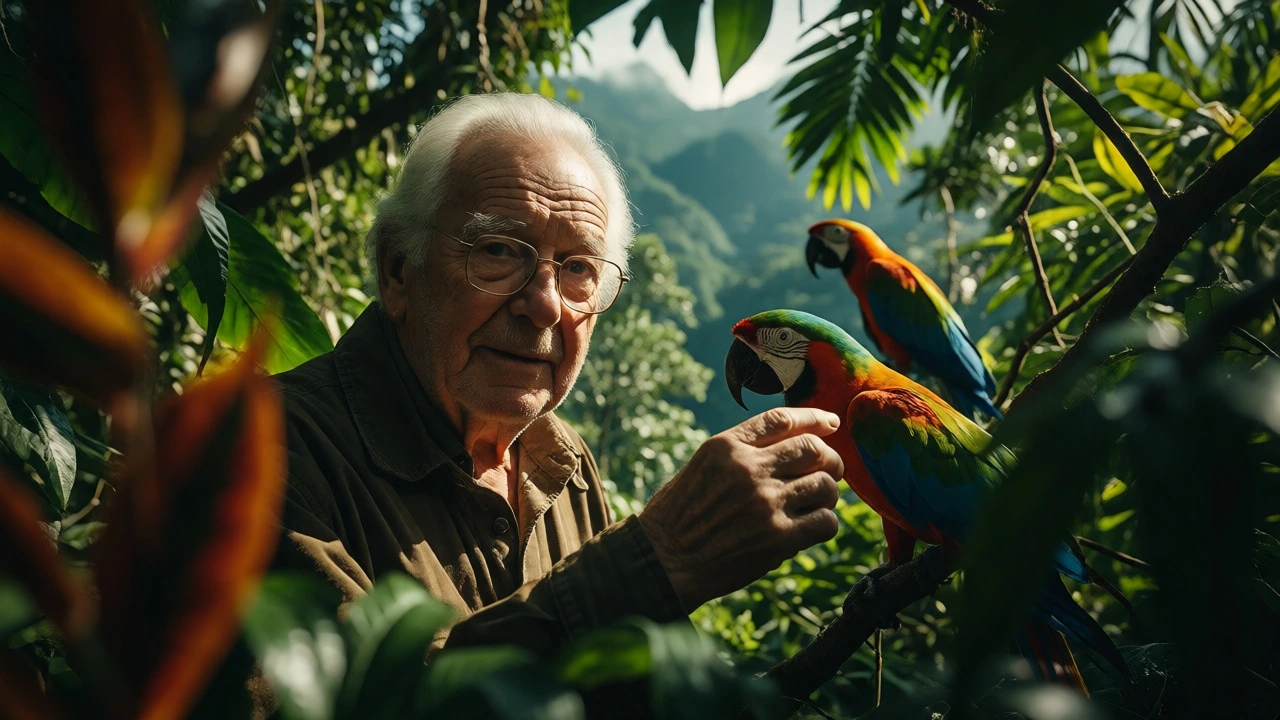
If Greta is the fire, David Attenborough is the water. He’s been narrating our relationship with nature since the 1950s. Few humans have had more eyes watching them than this British broadcaster. His series like Planet Earth and Blue Planet II didn’t just entertain; they educated entire generations about biodiversity.
Attenborough’s fame is unique because it crosses political lines. You don’t need to care about carbon taxes to love his documentaries. But in recent years, he became explicitly political. His 2020 Netflix special, A Life on Our Planet, served as a witness statement to the destruction of wildlife. He warned that humanity has "destroyed the natural systems that keep us alive." This pivot made him not just a beloved uncle figure, but a serious environmental advocate. His endorsement carries weight because his reputation is built on decades of trust.
The Scientific Pioneer: Rachel Carson
You can’t talk about fame without talking about legacy. Before social media, before viral videos, there was Rachel Carson. Her 1962 book, Silent Spring, is arguably the most important environmental text ever written. She exposed the dangers of pesticides like DDT, linking chemical use to bird deaths and potential human cancer risks.
Carson faced brutal attacks from the chemical industry. They called her hysterical. They questioned her science. But she stuck to the data. Her work led directly to the ban of DDT in the US and the creation of the Environmental Protection Agency (EPA). Without Carson, the modern Green Movement might not exist in its current form. She is the grandmother of the field, proving that one well-written book can change laws and save ecosystems.
The Legal Warrior: Wangari Maathai
Fame often favors Western voices, but Wangari Maathai changed the game for the Global South. The Kenyan activist founded the Green Belt Movement, which planted over 51 million trees while empowering women. She wasn’t just planting saplings; she was fighting deforestation caused by commercial logging and government corruption.
In 2004, she became the first African woman to win the Nobel Peace Prize. Her message connected environment to peace and democracy. She showed that when people lose their land, they lose their rights. Today, her model is used worldwide, linking reforestation to community health and economic stability. She proved that environmentalism isn’t just about saving polar bears; it’s about saving communities.
Comparing Influence: Who Wins?
To decide who is "most famous," we have to look at what kind of fame matters to you. Is it search volume? Policy change? Cultural impact? Let’s break it down.
| Name | Primary Platform | Main Achievement | Target Audience |
|---|---|---|---|
| Greta Thunberg | Social Media & Protests | Global youth mobilization | Gen Z & Millennials |
| David Attenborough | Documentaries & TV | Raising awareness of biodiversity loss | General Public (All Ages) |
| Rachel Carson | Literature & Science | Banning harmful chemicals; founding EPA | Policy Makers & Scientists |
| Wangari Maathai | Grassroots Organizing | Nobel Prize; Tree planting movement | Community Leaders & NGOs |
Notice the pattern? Each person leveraged a different tool. Thunberg used visibility. Attenborough used emotion. Carson used evidence. Maathai used action. If you measure fame by Google searches right now, Thunberg and Attenborough are neck-and-neck. But if you measure fame by historical permanence, Carson wins. Every time you drink clean water or eat food free from certain pesticides, you’re living in the world Rachel Carson helped build.
The Modern Landscape: New Faces Rising
The title of "most famous" shifts every few years. Ten years ago, Al Gore was the face of climate change after his film An Inconvenient Truth. Today, he’s less visible, though still active. Now, we see new figures emerging from indigenous communities and tech sectors.
Take Severn Cullis-Suzuki, who spoke at the Rio Earth Summit in 1992 as a child, warning adults about the future. Or Bill McKibben, whose writings on climate reality influenced policy for decades. Even celebrities like Leonardo DiCaprio use their fame to fund projects, blurring the line between actor and activist.
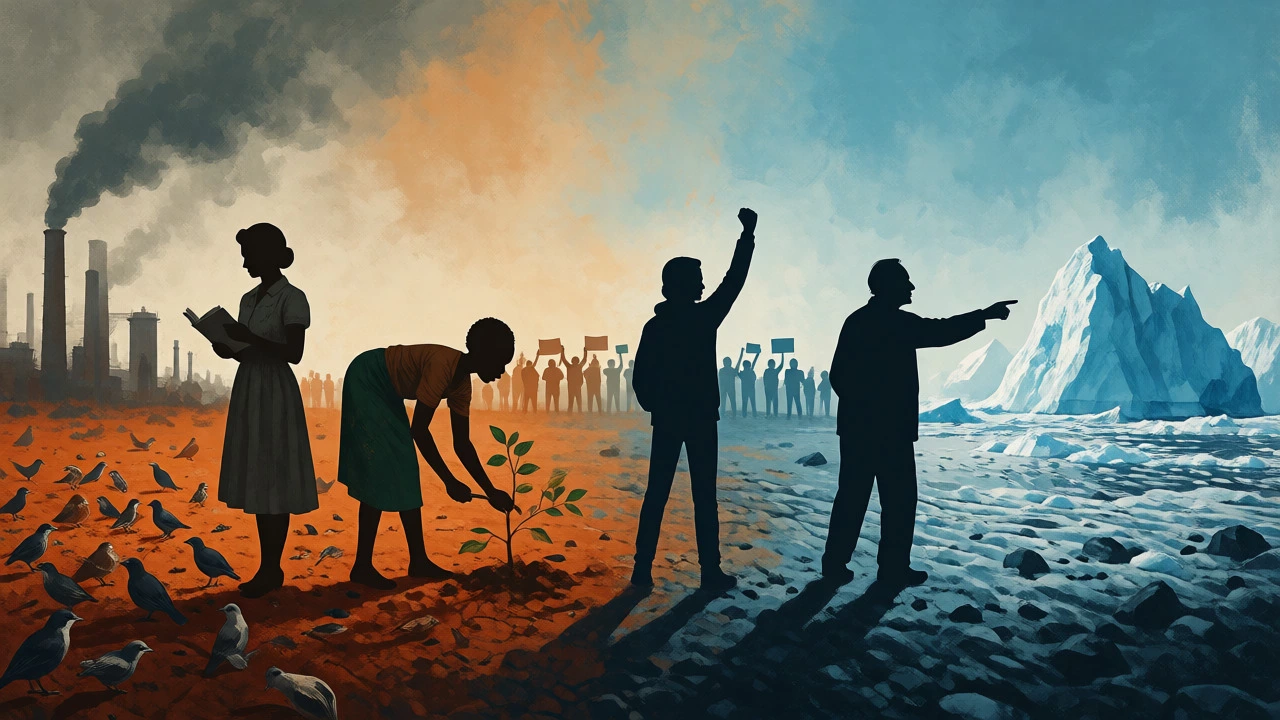
Why does this matter? Because no single person can solve the crisis. We need the storyteller (Attenborough) to make us care. We need the scientist (Carson) to show us the problem. We need the organizer (Maathai) to fix it locally. And we need the agitator (Thunberg) to keep pressure on politicians. The "most famous" environmentalist is actually a collective effort.
How to Identify Impactful Leaders
If you want to follow the right people, don’t just chase headlines. Look for these traits:
- Evidence-Based: Do they cite data? Attenborough and Carson did. Viral trends often skip this.
- Action-Oriented: Are they doing something, or just posting? Maathai planted trees. Thunberg organized strikes.
- Cross-Generational Appeal: Can they speak to both kids and grandparents? This builds lasting movements.
- Consistency: Have they stayed committed for decades? Fame fades; commitment lasts.
It’s easy to get distracted by the loudest voice on Twitter. But often, the quietest scientists working in labs or forests are making the biggest long-term impacts. Keep your eyes open for local heroes too. Your town’s recycling coordinator might be the most important environmentalist in your life.
Frequently Asked Questions
Who is considered the father of modern environmentalism?
While titles vary, John Muir is often called the father of conservation, and Gifford Pinchot the father of conservation policy. However, Rachel Carson is widely regarded as the mother of the modern environmental movement due to her pivotal role in sparking widespread public awareness and legislative change.
Is Greta Thunberg still active in environmentalism?
Yes, Greta Thunberg remains highly active. She continues to participate in protests, publish books, and engage in legal actions regarding climate policy. While media coverage fluctuates, her presence in grassroots movements and international forums remains significant.
Why is David Attenborough so influential?
David Attenborough’s influence stems from his unparalleled ability to communicate complex ecological issues through compelling storytelling. His high-profile documentaries have reached billions of viewers, fostering a deep emotional connection to nature that motivates public support for conservation efforts.
What was Rachel Carson's biggest contribution?
Rachel Carson’s book 'Silent Spring' exposed the harmful effects of indiscriminate pesticide use, particularly DDT. This work led to the ban of DDT in the United States and contributed significantly to the establishment of the Environmental Protection Agency (EPA).
Are there famous male environmentalists besides Al Gore?
Yes, many. Bill McKibben is a prominent writer and activist known for his early warnings on climate change. Chris Jordan focuses on visualizing consumption patterns. Additionally, indigenous leaders like Nemonte Nenquimo have gained global recognition for defending rainforest territories.