
Volunteer Organization Legitimacy Checker
Use this interactive tool to evaluate a potential volunteer opportunity. Check each statement that applies to the organization you are considering. The more boxes you check, the higher their legitimacy score.
Due Diligence Checklist
- Registration: Listed on Charity Commission or equivalent national registry with active status.
- Financials: Annual reports publicly available; admin costs under 25% of revenue.
- Communication: Professional email domain (@org.com), responsive support, no high-pressure tactics.
- Reviews: Independent reviews exist on platforms like Idealist or GoAbroad (not just own site).
- Impact: Specific, measurable metrics provided (e.g., "500 meals served") rather than vague promises.
- Legal: Clear contract regarding costs, cancellations, and insurance requirements.
Legitimacy Score
You’ve got your heart set on making a difference. Maybe you want to help at a local shelter in Bristol or join an international conservation project. But before you sign up, hand over money, or commit your weekends, there’s one critical question you need to answer: is this volunteer organization legitimate?
It’s not just about paranoia. Every year, well-meaning volunteers lose time and money to organizations that are either disorganized, financially unstable, or outright fraudulent. The good news? You don’t need a forensic accounting degree to spot the red flags. With a few simple checks, you can ensure your energy goes where it truly matters.
Check the Official Registration Status
The first step is always the most important. In the UK, legitimate charities must be registered with the Charity Commission for England and Wales. This body maintains a public database of all registered charities. If an organization claims to be a charity but isn’t listed here, that’s your first major warning sign. Note that some smaller groups might operate as "unincorporated associations," which aren’t required to register if their income is below £5,000. However, even these should have a clear constitution and transparent leadership.
Don’t just look at the name. Search by the charity number (often found in the footer of their website) to confirm they are active and in good standing. A quick check on the Charity Commission website will show you their latest accounts, trustees, and any recent regulatory actions. If the accounts haven’t been filed in years, ask why.
Analyze Financial Transparency
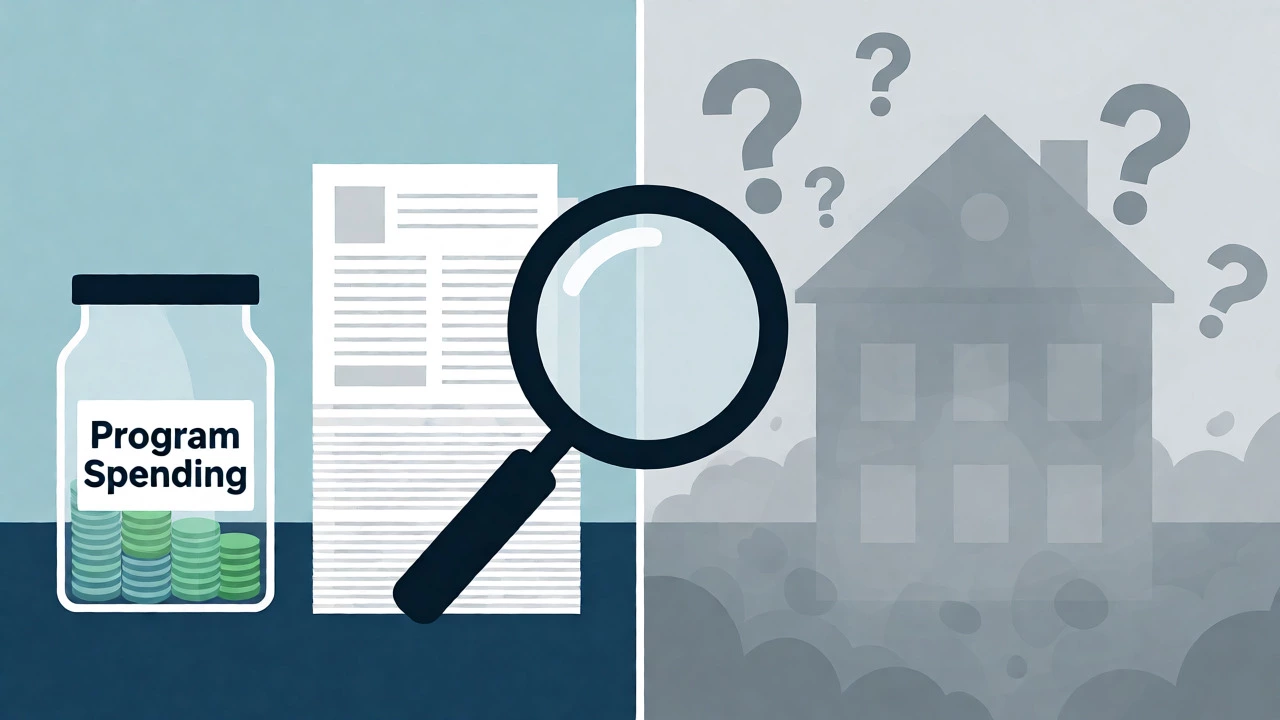
Money talks. A legitimate organization has nothing to hide regarding how funds are spent. Look for their annual reports or financial statements on their website. You’re looking for clarity on two things: administrative costs versus program spending, and whether they solicit donations from volunteers.
A common scam tactic involves asking volunteers to pay high fees for accommodation, meals, or "program placement" without providing detailed breakdowns. While ethical programs do charge for logistics, exorbitant fees with vague explanations are suspicious. Compare their financial ratios against sector standards. Generally, a healthy charity spends at least 75% of its revenue directly on its mission. If admin costs eat up half the budget, dig deeper.
| Feature | Green Light (Legitimate) | Red Flag (Suspicious) |
|---|---|---|
| Registration | Listed on Charity Commission or equivalent national registry | No registration number or refuses to provide it |
| Financials | Publicly available annual reports; clear expense breakdown | Vague financial info; asks for large upfront payments |
| Communication | Professional email domains; responsive support team | Gmail/Yahoo addresses; poor grammar; unresponsive |
| Reviews | Mixed reviews on independent platforms (e.g., GoVolunteer, Idealist) | Only glowing testimonials on own site; no third-party data |
| Impact | Specific metrics on outcomes (e.g., "100 trees planted") | Vague promises like "changing lives" with no data |
Verify Independent Reviews and Reputation
Never rely solely on the organization’s own website for social proof. Testimonials are easy to curate. Instead, search for independent reviews on platforms like Idealist, GoAbroad, or Great Nonprofits. Look for patterns. Are multiple volunteers complaining about poor management? Do past participants mention hidden costs?
Social media presence also tells a story. Check their Facebook, Instagram, or LinkedIn pages. When was the last post? Is there genuine engagement from followers, or does it look like a ghost town? A legitimate group usually has an active community sharing updates and photos. If the comments section is disabled or filled with spam, proceed with caution.
Evaluate Communication and Professionalism
How an organization communicates often reflects how they operate internally. Did they use a professional email domain (e.g., @charityname.org.uk) rather than a generic Gmail address? Were their responses timely and clear? Scam artists often rush you into decisions, using phrases like "limited spots left" or "urgent funding needed." Legitimate charities respect your time and allow you to ask questions without pressure.
Pay attention to language barriers too. While many international NGOs operate globally, poor grammar or inconsistent branding across materials can indicate a lack of professionalism or, worse, a hastily created front for fraud. It doesn’t mean non-native English speakers are running a scam, but combined with other red flags, it warrants a closer look.
Assess Impact Claims and Operational Reality
Everyone wants to "save the world," but what does that actually mean for this specific group? Legitimate organizations define their impact clearly. They might say, "We provided 500 hot meals last month" or "We tutored 20 students in reading skills." Vague claims like "making a difference" or "empowering communities" without supporting data are hard to verify.
If possible, try to speak with current volunteers or staff. Ask them direct questions: What is the daily routine? How are funds used? What happens if I cancel my placement? Their answers should be consistent with the marketing materials. If they hesitate or give conflicting information, trust your gut.

Understand Legal Agreements and Insurance
Before signing anything, read the contract carefully. Does it outline your responsibilities, the organization’s duties, and cancellation policies? For international volunteering, check if the host country requires a visa and who assists with that process. Some shady operators leave volunteers stranded with legal issues because they didn’t clarify visa requirements upfront.
Insurance is another key factor. Reputable organizations typically require volunteers to have travel or liability insurance. They may offer group coverage or recommend specific providers. If they dismiss insurance concerns entirely, that’s risky. Accidents happen, and you need to know who covers medical bills if you get injured while working.
Final Due Diligence Checklist
Before you hit "apply," run through this quick checklist:
- Is the charity registered with the Charity Commission (or relevant national body)?
- Are annual financial reports publicly accessible?
- Do independent reviews exist outside their own website?
- Is communication professional and free of high-pressure tactics?
- Are impact metrics specific and measurable?
- Is the contract clear regarding costs, cancellations, and insurance?
Taking ten minutes to verify these points can save you months of frustration. Volunteering should be rewarding, not stressful. By doing your homework, you protect your resources and ensure your contribution actually helps those in need.
What is the Charity Commission?
The Charity Commission is the independent regulator of charities in England and Wales. It ensures charities comply with the law and maintain proper governance. You can search their online register to verify if an organization is legally recognized as a charity.
Do I have to pay to volunteer?
Not necessarily. Many local charities welcome volunteers without any fees. However, international placements often involve costs for accommodation, food, and program administration. Always ask for a detailed breakdown of these fees to ensure they cover actual expenses rather than profit.
How can I tell if a charity is a scam?
Common signs include lack of registration, refusal to provide financial details, high-pressure donation requests, and generic contact information. Also, be wary of names that sound very similar to well-known charities, as scammers often mimic reputable brands.
Are small local groups less reliable?
Not at all. Small groups can be highly effective and community-focused. Just because they aren't registered charities doesn't mean they are illegitimate. Look for a clear constitution, transparent leadership, and positive word-of-mouth within the local community instead.
What if I already paid a fee to a fake organization?
Contact your bank immediately to see if you can dispute the charge. Report the organization to Action Fraud in the UK. While recovering money isn't guaranteed, reporting helps authorities track patterns and warn others.